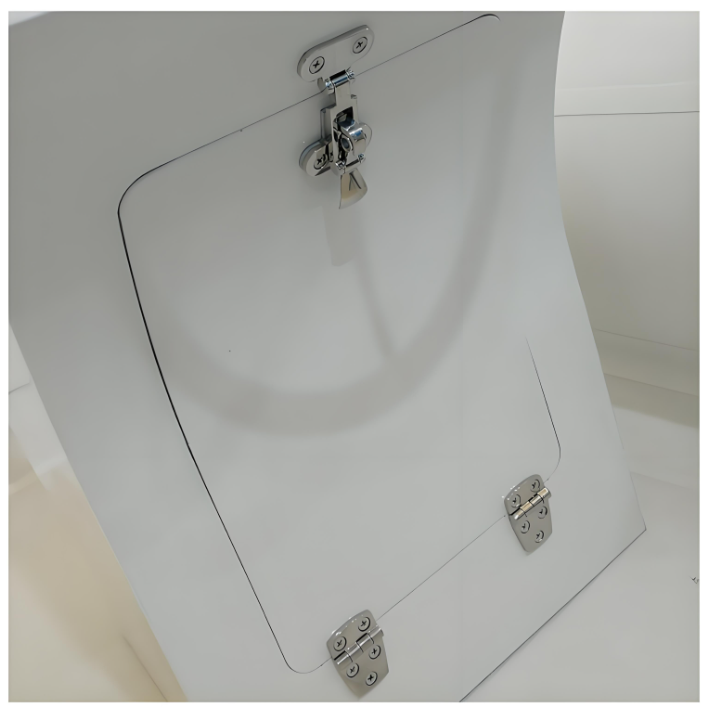
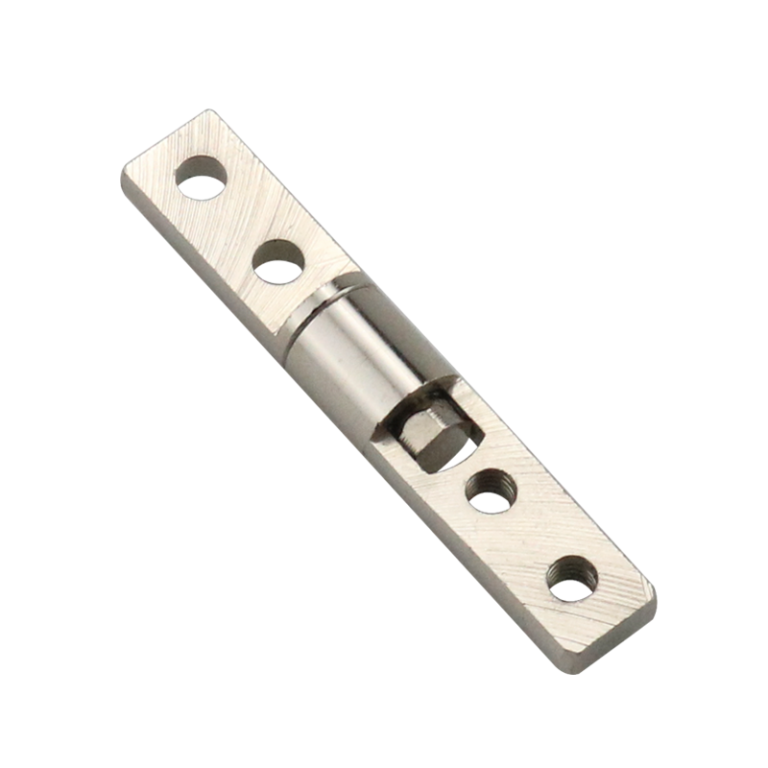
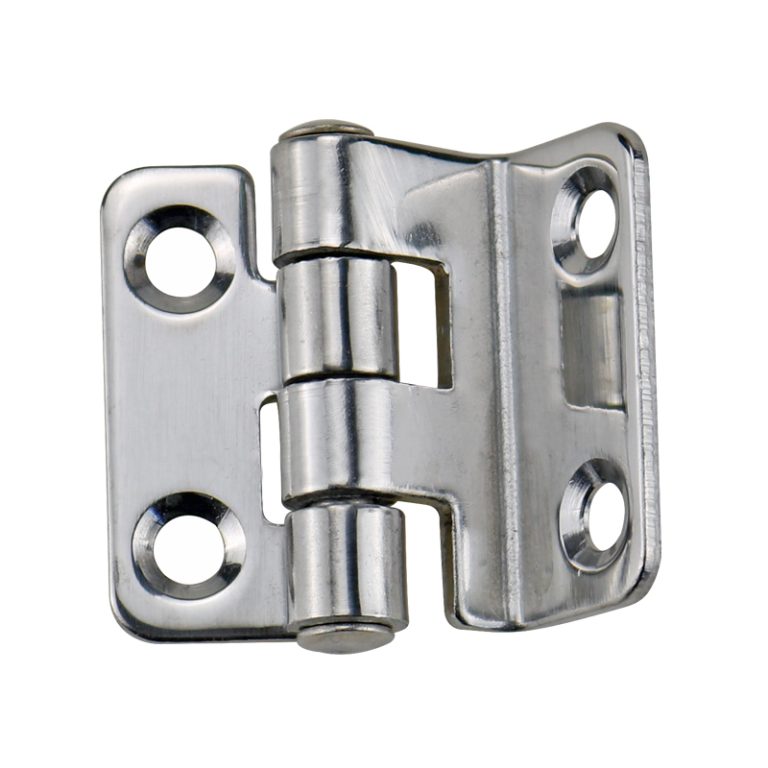
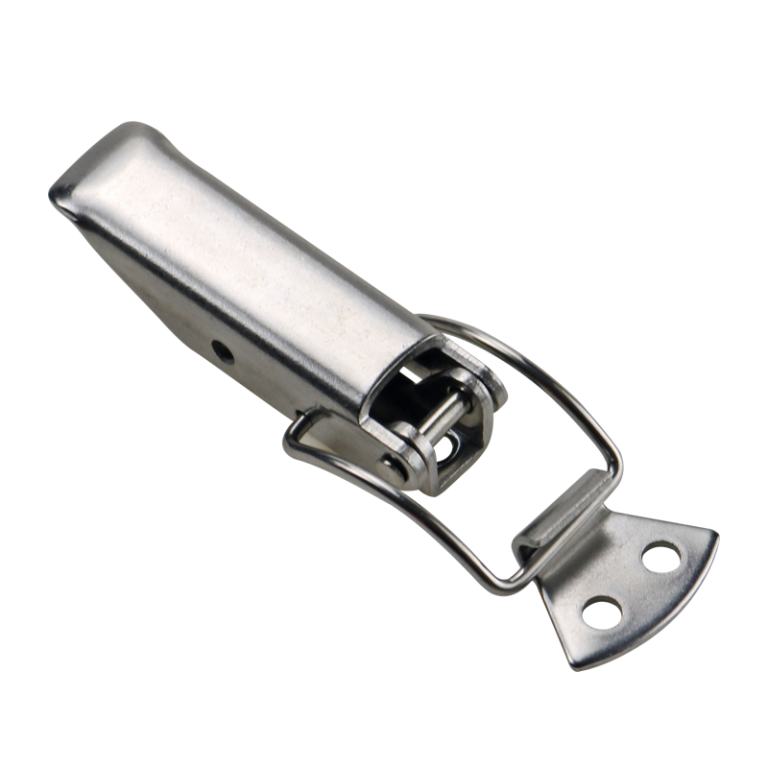
HTAN est l'un des principaux fabricants de charnières, de poignées et de loquets industriels en Chine.


Recessed pull handles for industrial panels — also called flush-mount or inset pull handles — are designed to sit level with the panel surface instead of protruding outward. They are used on server rack drawers, medical equipment panels, automation control consoles, sliding compartment doors, vehicle-mounted enclosures, and machine guard sliding access where surface clearance, snag prevention, and clean visual lines matter more than maximum grip force.
Unlike standard surface-mount handles that bolt onto a panel face, recessed pull handles require a precisely cut pocket in the panel itself. This makes the panel cutout tolerance, panel thickness, and installation method just as important as the handle material. This guide focuses specifically on how engineers should evaluate recessed pull handles for industrial panels — covering cutout design, panel thickness matching, installation choices, grip depth, sealing requirements, and the trade-offs that distinguish recessed pull handles from other handle categories.
When to Specify a Recessed Pull Handle
The decision to use a recessed pull handle is rarely about cost or appearance alone. A recessed handle is most useful when the panel needs a flush surface, reduced snag risk, or a cleaner integrated appearance. Engineers should confirm the application driver before choosing this handle style.
- Clearance is constrained. When the panel sits in a confined space — such as server rack rails, side-by-side equipment, transport vehicles, or sliding machine guards — a protruding handle can become a collision risk during installation or operation.
- Snag prevention matters. In environments where operators wear gloves, lab coats, cables, or carry equipment past the panel, a flush surface reduces the risk of catches and tears.
- Visual integration is required. Medical devices, premium control panels, display-grade equipment, and compact industrial consoles often use recessed pull handles to keep the panel surface uninterrupted.
- The door or drawer is light to medium duty. Many recessed pull handles are better suited for light to medium pull-force applications. Heavy doors usually require supplier-rated data or a surface-mount handle with stronger load transfer.
Recessed pull handles are not always the right answer. For very heavy industrial doors, high-force emergency-access doors, or outdoor cabinets exposed to driven rain, a surface-mount D-handle or another raised handle may provide better grip strength, drainage, and load distribution. Matching the handle type to the real operating situation is the first selection step before any material or finish discussion.
Recessed Pull Handle Design Types
Several handle styles fall under the term “recessed pull handle,” but they are not interchangeable. Each type has a different grip depth, cutout requirement, installation method, and load capability.
Cup-Style Recessed Pull Handles
Cup-style handles feature a shallow concave pocket, usually stamped, molded, or formed from metal or plastic. The operator inserts fingertips into the cup and pulls. These handles are common on sliding drawers, light cabinet doors, equipment panels, and access covers where pull force is low and the door does not need to lift open against gravity.
Cup handles are simple, compact, and relatively easy to keep clean. Their limitation is leverage. Because the grip area is shallow, they are not ideal for heavy doors, high gasket resistance, or panels that require strong pulling force.
Finger-Pull Recessed Handles
Finger-pull designs use a horizontal slot or elongated pocket that accepts several fingers. They provide more usable grip than shallow cup handles and work well on horizontal sliding panels, control console drawers, medical equipment access doors, and compact industrial covers.
The trade-off is a larger panel cutout and more careful edge finishing. If the panel borders a controlled environment or has a sealing requirement, the slot geometry and mounting method should be reviewed carefully.
Lift-and-Turn Flush Handles
Lift-and-turn flush handles include a lever that sits inside the recess when closed, but can be lifted or rotated to operate a latch. These are used on lockable access doors, server rack security panels, vehicle-mounted compartments, and industrial machinery where the handle must also help secure the door.
Because these handles include moving parts, engineers should check latch engagement, sealing, internal clearance, replacement access, and whether the lever remains fully flush when not in use.
Oval or Rectangular Pocket Handles
Larger recessed pockets — oval or rectangular — accept more of the hand and provide stronger grip than small cup or finger-pull designs. These handles are used on server cabinet drawers, transport-vehicle compartments, equipment trays, and tool drawer fronts.
The panel cutout is larger, so panel thickness, edge quality, flange seating, and reinforcement become more important. For heavy drawers or panels, supplier pull-force data should be checked before approval.
Panel Cutout and Tolerance Requirements
Panel cutout design is where recessed pull handles differ most from surface-mount handles. Surface-mount handles usually require mounting holes. Recessed handles require a full pocket cut into the panel, and that pocket must match the handle body, flange, and corner radius closely enough for the handle to sit flush.
A recessed handle cutout specification should include length, width, corner radius, edge finish, and tolerance. Depending on the handle structure and installation method, the required cutout tolerance may be tighter than a normal drilled mounting hole. CNC laser cutting usually provides better repeatability than manual punching or template routing, but the final tolerance should always be confirmed with the panel supplier before production.
Engineers should confirm three cutout details before specifying the handle: the exact pocket dimensions, the required corner radius, and the cutout edge finish. Deburring and chamfering are important because sharp edges can create injury risk, damage gaskets, interfere with flange seating, or prevent the handle from sitting flush.
Panel Thickness Matching
Recessed pull handles are usually designed for a specific panel thickness range. If the panel is too thin, the handle may not clamp securely. If the panel is too thick, the handle may not seat correctly or may stand proud of the surface, defeating the flush-mount purpose.
| Panel Thickness Range | Common Handle Direction | Applications typiques |
|---|---|---|
| Thin sheet metal panels | Small cup-style or compact finger-pull handles | Light enclosures, drawer fronts, indoor panels |
| Standard industrial sheet panels | Most cup, finger-pull, and small pocket handles | Server racks, control consoles, equipment access panels |
| Thicker industrial panels | Larger pocket handles or lift-and-turn flush handles | Transport enclosures, machinery doors, security panels |
| Non-standard panel thickness | Custom or extended-flange recessed handles | Heavy machinery, custom OEM panels, reinforced doors |
The handle datasheet should clearly state the supported panel thickness range. For non-standard panel thickness, engineers should ask the supplier early whether an extended flange, alternate clip, threaded stud, or custom version is available.
Installation Methods for Recessed Pull Handles
Recessed pull handles use installation methods that differ from surface-mount handles. The right method depends on production volume, sealing requirements, replacement access, security needs, and whether the handle is installed during OEM assembly or field service. For a broader comparison across standard handle mounting structures, see the guide to handle installation methods.
Spring-Fit or Snap-In Installation
Spring-fit recessed handles are pushed into the panel cutout and retained by clips or spring elements behind the panel. They are fast to install, require no loose fasteners, and can often be replaced quickly.
The limitation is sealing. Snap-in handles are usually better for indoor, dry equipment where water, dust, or particle ingress around the cutout is not a major concern. For outdoor, washdown, or IP-rated enclosures per IEC 60529, a sealed mounting method is usually safer.
Threaded Stud Mounting
Threaded stud mounting uses studs or threaded inserts on the rear of the handle body. The handle is placed into the cutout and tightened from behind the panel. This method provides stronger retention than a simple snap-in design and can support gasket sealing between the handle flange and panel surface.
Threaded stud mounting is more time-consuming than spring-fit installation, but it is often preferred when sealing, vibration resistance, or field-replaceable installation is required.
Weld-In Installation
For highly secure or tamper-resistant installations — such as server rack security panels, defense equipment, lockable industrial cabinets, and OEM production panels — the recessed handle may be welded directly into the panel after the cutout is made. This creates a permanent installation and removes the risk of loose fasteners.
When stainless steel parts are welded or heat-affected, proper cleaning, descaling, and passivation per ASTM A380 should be considered after welding to restore corrosion resistance. Weld-in installation is typically used in OEM production runs rather than field service applications because replacement is more difficult.
Grip Depth and Ergonomic Considerations
Grip depth determines how much of the operator’s fingers or hand can enter the recessed pocket. A shallow cup handle may allow only fingertip contact, while a deeper pocket handle can support a more secure grip. This directly affects operator comfort, usable pull force, and whether the handle can be used with gloves.
Three dimensions matter most: total recess depth, inside clear depth, and grip opening width. For applications where operators wear nitrile gloves, work gloves, or insulated gloves, the inside clear depth and opening width should be sized for the actual glove condition rather than bare-hand use.
Recessed handles can reduce snag risk, but they can also reduce grip leverage. If the door is heavy, gasketed, or difficult to open, a surface-mount handle may provide better ergonomics. For general grip design principles, the guide to poignées industrielles ergonomiques provides additional selection points for handle comfort and operator safety.
Hygiene and Cleaning Considerations
Recessed pull handles create a pocket in the panel surface. This is useful for clearance and snag prevention, but it can also collect dust, liquid, residue, or cleaning solution if the pocket geometry is not designed carefully. For medical equipment, food-adjacent machinery, cleanroom panels, or pharmaceutical access covers, the recessed pocket should be reviewed as part of the cleaning and contamination-control strategy.
Three design choices help reduce hygiene risk. First, specify a smooth-radius internal pocket geometry instead of sharp internal corners. Second, choose a surface finish that supports wiping or cleaning requirements. Third, for vertically oriented recessed pockets, check whether liquid can drain rather than remaining trapped at the bottom of the pocket.
For applications with strict cleaning requirements, engineers should avoid assuming that a recessed handle is automatically cleaner because it is flush. A flush surface reduces protrusion, but the inside of the recess still needs to be accessible, wipeable, and drainable.
For outdoor panels, washdown cabinets, or equipment exposed to humidity and cleaning chemicals, material and finish selection should also follow the same logic used for corrosion-resistant and weather-resistant handles.
Erreurs de sélection courantes
Mistake 1: Specifying a Cutout Without Tolerance
A cutout size without tolerance is incomplete. The panel shop may cut within its normal process tolerance, but that may not match the recessed handle body. Always include a tolerance requirement in the drawing and confirm the cutting method before production.
Mistake 2: Mismatching Panel Thickness
A recessed handle designed for one panel thickness range may not work correctly on a thicker or thinner panel. This can prevent installation, weaken retention, or leave the flange standing above the panel surface. Always compare the handle datasheet with the actual production panel thickness.
Mistake 3: Using Spring-Fit Where Sealing Is Needed
Spring-fit recessed handles are fast to install, but they usually do not seal tightly around the cutout. For outdoor equipment, washdown panels, dusty environments, or IP-rated enclosures, threaded stud mounting with a gasket or another sealed design should be considered.
Mistake 4: Undersizing Grip Depth for Glove Use
A recess sized for bare hands may be difficult to use when operators wear gloves. If gloves are part of normal operation, the grip opening and inside depth should be checked with the actual glove type used in the facility.
Mistake 5: Using a Recessed Handle Where a Surface-Mount Handle Fits Better
Recessed pull handles require more precise panel cutouts and usually offer less leverage than raised pull handles. If the door is heavy, the opening force is high, or the panel shop cannot hold the required cutout quality, a surface-mount D-handle may be the better engineering choice.
Recessed Pull Handle Selection Checklist
When specifying recessed pull handles for industrial panels, the checklist below captures the technical points engineers should confirm before approving a handle drawing or sample.
| Specification Item | Engineer Should Confirm |
|---|---|
| Application Driver | Clearance, snag prevention, visual integration, or panel surface continuity |
| Door or Drawer Weight | Whether recessed grip is sufficient or surface-mount handle is safer |
| Recess Type | Cup, finger-pull, lift-and-turn, or pocket design based on pull force and access needs |
| Panel Thickness | Verified against the handle datasheet rated range |
| Dimensions de la découpe | Length, width, corner radius, edge quality, and explicit tolerance |
| Méthode d'installation | Spring-fit, threaded stud, or weld-in based on sealing, strength, and service access |
| Grip Depth and Opening | Sized for actual operator hand size, including glove use if required |
| Sealing Requirement | Whether gasket sealing or a sealed mounting method is needed |
| Hygiene Requirement | Whether pocket geometry, surface finish, and drainage support cleaning needs |
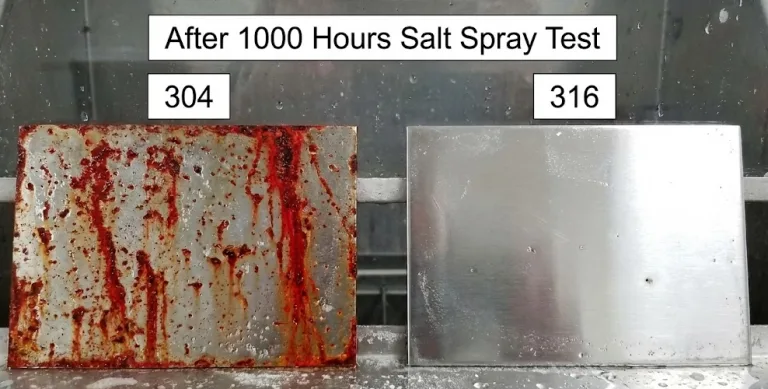
| Material and Finish | 304, 316, aluminum, zinc alloy, or polymer based on environment and service life |
FAQ
What is the difference between a recessed pull handle and a flush-mount handle?
The terms are often used interchangeably. Both describe handles designed to sit level with the panel surface instead of protruding outward. Recessed pull handle emphasizes that the handle creates a pocket cut into the panel, while flush-mount handle emphasizes the finished surface appearance.
How precise does the panel cutout need to be for a recessed pull handle?
The required cutout tolerance depends on the handle design, flange structure, and installation method. Recessed handles normally need a more controlled cutout than surface-mount handles because the handle body must fit into the panel and sit flush. Confirm the tolerance with both the handle supplier and the panel shop before production.
Can recessed pull handles be used on outdoor or washdown equipment?
Yes, but the recess pocket must be reviewed for drainage and sealing. Spring-fit recessed handles are usually not ideal for outdoor or washdown equipment because the cutout may not be sealed. Threaded stud mounting with a gasket or another sealed structure is usually safer for wet or IP-rated applications.
How do I match panel thickness to a recessed pull handle?
Check the handle datasheet for the rated panel thickness range, then compare it with the actual production panel thickness, coating thickness, and any reinforcement layer. If the panel is outside the rated range, ask the supplier for an extended-flange or custom version before releasing the drawing.
Which installation method should I choose for a recessed pull handle?
Spring-fit installation is fast and suitable for dry indoor panels without sealing requirements. Threaded stud mounting is better when stronger retention, gasket sealing, or field replacement is needed. Weld-in installation is used when the handle must be permanent, secure, and tamper-resistant in OEM production.
Conseils pour la sélection finale
Recessed pull handles for industrial panels are specified correctly when the application actually benefits from a flush-mount design — restricted clearance, snag prevention, visual integration, or moderate pull force. They are specified incorrectly when they replace a surface-mount handle for cosmetic reasons on heavy doors, in unsealed outdoor applications, or in production environments where cutout tolerance cannot be guaranteed.
The engineering checklist is straightforward: confirm the application driver, match the handle type to the expected opening force, verify panel thickness against the handle datasheet, specify cutout dimensions with explicit tolerance, choose the installation method based on sealing and service needs, and confirm grip depth against actual operator hand size including gloves. If your project requires recessed pull handles for industrial panels in non-standard sizes, panel thickness, or with specific sealing requirements, HTAN can review the panel drawing and cutout specification to recommend a handle that fits the production capability and operating environment.