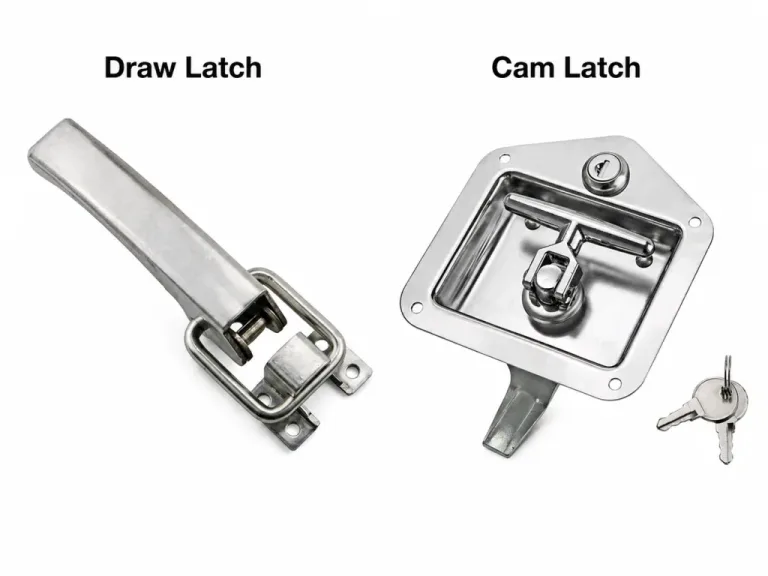
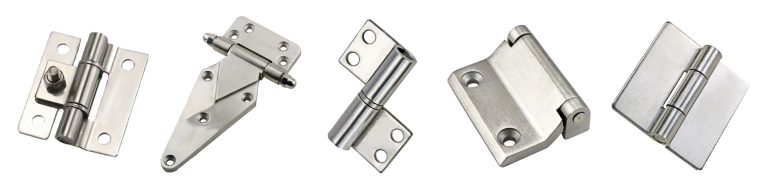
HTAN è uno dei principali produttori di cerniere, maniglie e chiusure industriali in Cina.


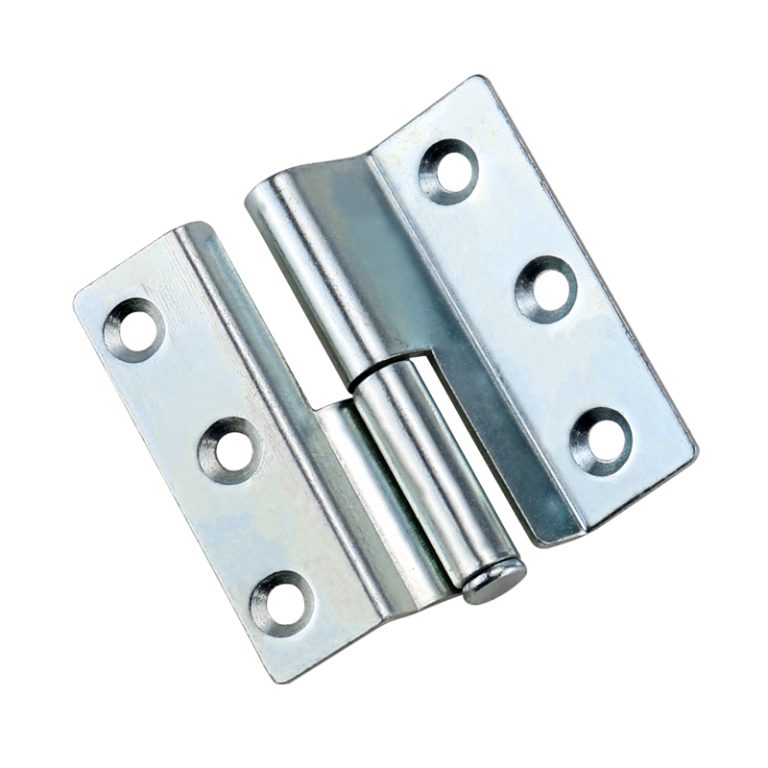
Per armadi elettrici, pannelli di controllo, involucri di rete e alloggiamenti di apparecchiature industriali, cerniere a scomparsa sono utilizzate quando il sistema di ante deve combinare un aspetto esterno pulito con prestazioni di apertura pratiche e un profilo di ferramenta più sicuro. A differenza delle cerniere a vista, le cerniere a scomparsa sono integrate nella struttura del mobile, il che contribuisce a ridurre le sporgenze esterne, a migliorare l'aspetto del mobile e a favorire un design più raffinato dell'anta.
Sono particolarmente utili nelle applicazioni di armadi elettrici e industriali in cui i progettisti desiderano evitare la ferramenta a vista, ridurre il rischio di impigliamento, migliorare la resistenza alle manomissioni o creare un involucro più pulito. In alcuni progetti, le cerniere a scomparsa contribuiscono anche a migliorare l'utilizzo dello spazio intorno al bordo dell'anta dell'armadio, soprattutto nei casi in cui le apparecchiature adiacenti, il passaggio dei cavi o il movimento dell'operatore rendono meno desiderabile la presenza di cerniere esterne.
Questo articolo si concentra in particolare sulle cerniere a scomparsa per armadi elettrici e contenitori industriali, includendo gli scenari di applicazione, le considerazioni sui materiali e le prestazioni, i vantaggi principali e le domande tecniche più comuni. Per la pagina del pilastro più ampio, è possibile consultare anche il nostro Guida alle cerniere a scomparsa.
Introduzione alle cerniere a scomparsa
Perché le cerniere a scomparsa sono utilizzate negli armadi elettrici
I quadri elettrici e le porte degli armadi industriali spesso non si limitano alla semplice apertura e chiusura. In molti progetti, la cerniera influisce anche sull'aspetto dell'armadio, sulla sicurezza dell'operatore, sullo spazio di installazione e sul modo in cui la porta si integra con le serrature, le guarnizioni e la struttura del telaio circostante. Le cerniere a scomparsa vengono solitamente scelte quando questi fattori di progettazione più ampi sono importanti.
- Profilo esterno più pulito: Non ci sono ante di cerniera esposte o ferramenta di rotazione visibili sulla superficie esterna.
- Riduzione del rischio di strappo: Utile in caso di layout di apparecchiature strette o in presenza di cavi, indumenti e strumenti che si muovono all'interno dell'armadio.
- Miglioramento dell'integrazione visiva: Particolarmente utile nei quadri elettrici, nelle apparecchiature di comunicazione e nei sistemi di involucri di fascia alta.
- Migliore resistenza alle manomissioni: Il posizionamento nascosto delle cerniere può ridurre l'accesso casuale alla ferramenta delle cerniere dall'esterno del mobile.
- Stile della copertura più controllato: Da preferire nei casi in cui la ferramenta esterna a vista interromperebbe il design industriale pulito del mobile.
Scenari applicativi principali per le cerniere a scomparsa negli armadi industriali
Le cerniere a scomparsa non sono adatte a tutti gli armadi, ma sono particolarmente utili nelle applicazioni in cui l'aspetto, la compattezza, la sicurezza o l'integrazione dell'armadio sono più importanti dell'accesso di servizio puramente esterno.
Armadi elettrici di controllo
Negli armadi elettrici di comando, le cerniere a scomparsa contribuiscono a creare una superficie più pulita dell'armadio, riducendo le sporgenze metalliche esterne. Ciò può essere utile nelle installazioni in cui più armadi sono disposti a distanza ravvicinata o in cui le porte degli armadi operano in prossimità di operatori e strumenti di servizio.
Armadi di rete e comunicazione
Gli armadi di rete e di comunicazione spesso privilegiano una geometria esterna pulita, un accesso compatto e un aspetto più raffinato. Le cerniere a scomparsa possono supportare questi obiettivi di design mantenendo l'hardware esterno meno visibile. Per una logica di selezione più specifica del cabinet, consultate il nostro sito Guida alle cerniere a scomparsa per armadi industriali.
Alloggiamenti per apparecchiature di automazione
Negli alloggiamenti delle apparecchiature di automazione, i progettisti spesso desiderano che la porta del contenitore sia a filo ed eviti l'esposizione delle cerniere esterne. Le cerniere nascoste contribuiscono a rendere più pulito l'esterno della macchina e a ridurre la possibilità di interferenze accidentali con i componenti circostanti o con i percorsi di movimento dell'operatore.
Armadi per strumenti medici e di laboratorio
Gli armadi per uso medico e di laboratorio possono trarre vantaggio dalle cerniere a scomparsa quando sono importanti la facilità di pulizia delle superfici, la riduzione delle trappole per la contaminazione esterna e un design più ordinato dell'involucro. In queste applicazioni, la qualità delle finiture, la resistenza alla corrosione e la silenziosità di funzionamento possono essere più importanti che negli armadi per uso generale.
Contenitori per apparecchiature di alta gamma
Per gli involucri industriali, elettronici o strumentali di alta qualità, le cerniere a scomparsa vengono spesso scelte semplicemente perché contribuiscono a preservare il linguaggio di design generale del prodotto. Ciò è particolarmente vero quando il contenitore è rivolto al cliente o fa parte di un'apparecchiatura esterna di marca.
Considerazioni su materiali e prestazioni
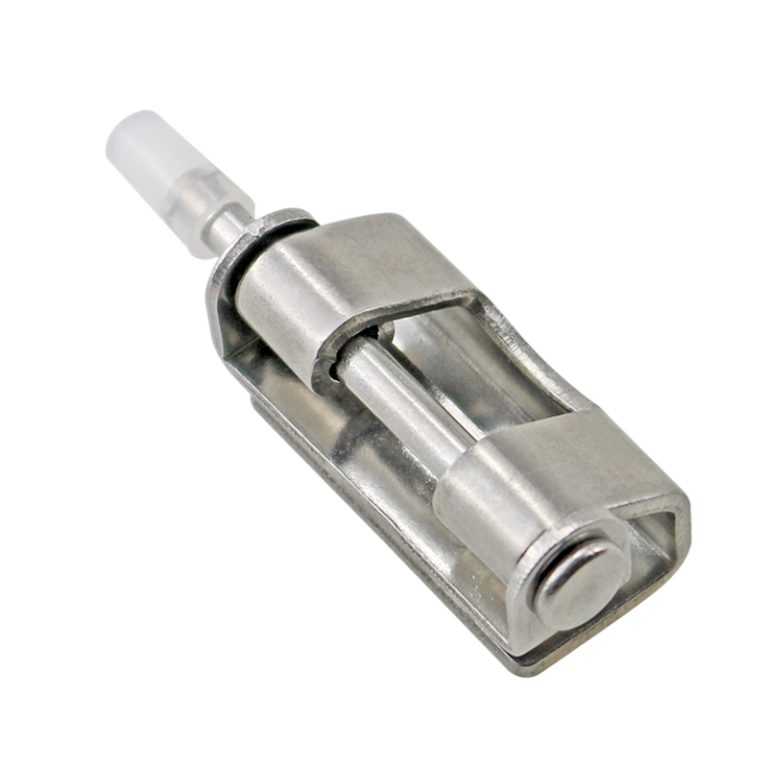
La durata delle cerniere a scomparsa non dipende solo dalla struttura nascosta. La qualità del materiale, la geometria della cerniera, la resistenza alla corrosione, la scorrevolezza del movimento e la precisione del montaggio influiscono sulle prestazioni reali nell'uso del mobile.
Scelte di materiali comuni
- Acciaio inossidabile: Spesso viene utilizzato nei casi in cui è importante la resistenza alla corrosione, la lunga durata o l'aspetto più pulito.
- Lega di zinco: Comune in molte strutture a cerniera nascosta, perché supporta l'accuratezza della fusione e la progettazione di forme flessibili.
- Inserti o guarnizioni in polimero: A volte vengono utilizzati per ridurre il rumore, migliorare lo smorzamento o favorire un movimento più fluido.
Nei casi in cui l'umidità o il rischio di corrosione sono più elevati, la scelta del materiale diventa più importante. Se l'involucro deve operare in ambienti più difficili, confrontare anche le indicazioni sui materiali contenute nel nostro Guida in acciaio inox 304.
Prestazioni meccaniche
- Capacità di carico: La scelta della cerniera deve corrispondere alle dimensioni, al peso e alla geometria di apertura dell'anta del mobile.
- Durata del ciclo: Le cerniere a scomparsa Better sono progettate per essere aperte ripetutamente senza aumentare rapidamente il gioco o perdere l'allineamento.
- Movimento fluido: La precisione del corpo della cerniera e dell'area del perno influisce sulla stabilità e sulla coerenza della porta durante il funzionamento.
- Funzione di smorzamento o molla opzionale: Alcune cerniere a scomparsa prevedono un movimento controllato o un comportamento di autochiusura.
Nei quadri elettrici in cui è importante una regolazione più fine, può essere utile prendere in considerazione le strutture regolabili in 3D. Per questo argomento, continuate a leggere il nostro Guida alle cerniere a scomparsa regolabili in 3D.
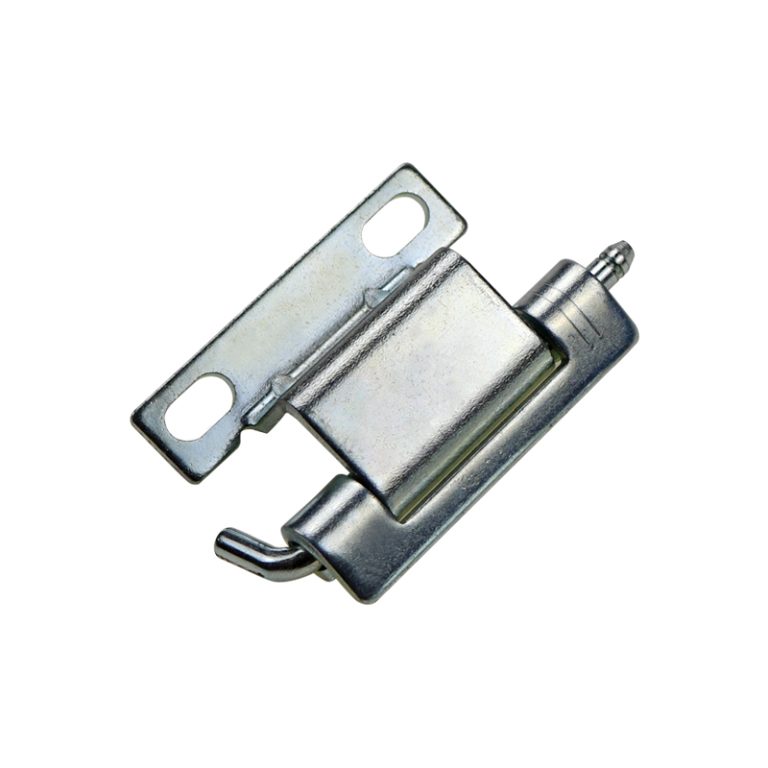
Vantaggi principali per i quadri elettrici e industriali
Miglioramento dell'aspetto del mobile
Le cerniere a scomparsa contribuiscono a mantenere la superficie dell'anta del mobile a filo e visivamente più pulita. Si tratta di una caratteristica preziosa per gli armadi industriali, dove la ferramenta a vista spezzerebbe l'aspetto dell'armadio o interferirebbe con un linguaggio di design più integrato.
Profilo esterno più sicuro
Poiché la cerniera è nascosta all'interno della struttura dell'armadio, ci sono meno bordi metallici esposti e meno possibilità di impigliare indumenti, cavi o componenti vicini. Ciò è particolarmente utile nelle installazioni di apparecchiature più strette.
Migliore utilizzo dello spazio intorno alla porta
In alcuni layout di armadi, le cerniere a scomparsa facilitano la gestione di geometrie strette tra anta e telaio e riducono le interferenze con gli armadi adiacenti o con lo spazio di installazione circostante.
Supporto per l'integrazione di armadi di fascia alta
Gli armadi elettrici, gli armadi di comunicazione e le custodie di controllo hanno spesso bisogno che la porta, la cerniera, la serratura e l'involucro esterno lavorino insieme come un unico progetto integrato. Le cerniere a scomparsa supportano questo aspetto in modo più efficace rispetto alla ferramenta standard a vista in molti sistemi di armadi premium.
Potenziali vantaggi in termini di durata
Una cerniera a scomparsa non è automaticamente più durevole di una cerniera a vista, ma poiché in alcuni modelli il meccanismo è meglio protetto dal contatto diretto con l'esterno, può essere meno esposto a urti accidentali o alla contaminazione della superficie durante l'uso quotidiano. Il risultato reale dipende comunque dal materiale, dall'installazione e dalla richiesta di cicli.
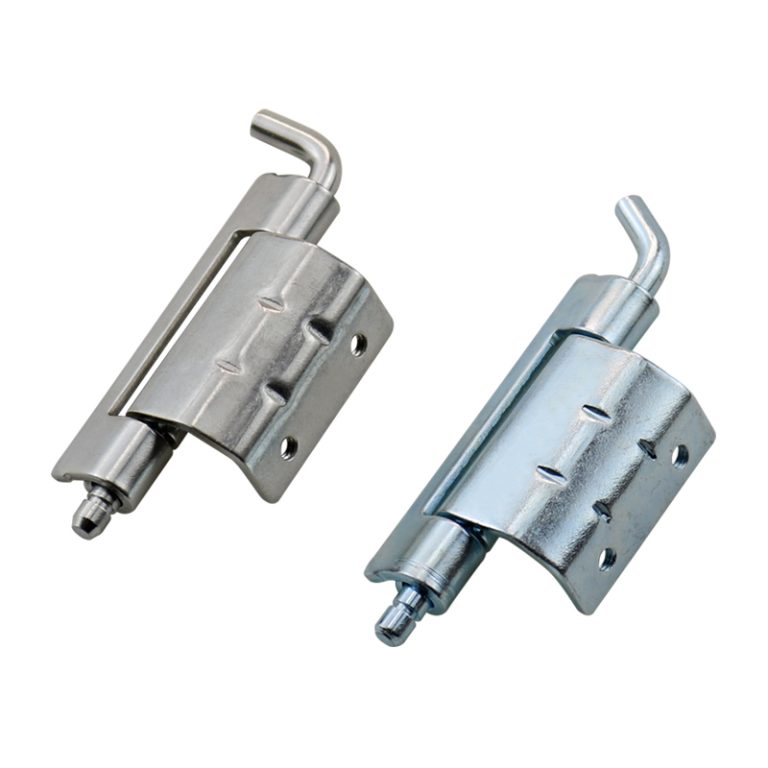
Domande frequenti sulle cerniere a scomparsa per armadi elettrici
Le cerniere a scomparsa sono adatte ai quadri elettrici?
Sì, in molti casi lo sono. Sono particolarmente indicate quando sono importanti l'aspetto del mobile, la riduzione della ferramenta esposta e l'integrazione compatta dell'involucro. La verifica principale è che la struttura della cerniera sia adatta al peso dell'anta del mobile, all'angolo di apertura e allo spazio di installazione.
Come scegliere le cerniere a scomparsa in base al peso dell'anta e alle dimensioni del mobile?
Iniziare con le dimensioni effettive della porta, il materiale, lo spessore e l'angolo di apertura. Quindi verificate il campo di utilizzo nominale della cerniera, il metodo di montaggio e il numero di cerniere necessarie. Le ante più pesanti o più alte possono richiedere strutture di cerniere più robuste, più punti di cerniera o un tipo di cerniera completamente diverso.
Le cerniere a scomparsa contribuiscono alla sicurezza e all'estetica?
Sì. Negli armadi industriali, i vantaggi principali sono solitamente un esterno più pulito dell'armadio e un minor numero di parti di ferramenta esposte che potrebbero impigliarsi, interferire o disturbare visivamente il design dell'involucro. In alcuni progetti, ciò consente anche di ottenere un profilo esterno più resistente alle manomissioni.
Quale materiale è migliore per ambienti umidi o corrosivi?
Dipende dall'ambiente in cui ci si trova. L'acciaio inossidabile è solitamente preferito quando è importante la resistenza alla corrosione, mentre la lega di zinco può essere accettabile in condizioni interne più miti. La scelta del materiale deve sempre essere fatta in base all'umidità, all'esposizione alla pulizia e alle aspettative di durata.
Con quale frequenza devono essere ispezionate le cerniere a scomparsa?
La frequenza delle ispezioni dipende dalle condizioni di utilizzo. Nella maggior parte delle applicazioni industriali, i controlli periodici della stabilità dei dispositivi di fissaggio, dell'allineamento delle porte, dei giochi insoliti e della fluidità dei movimenti sono più utili dell'attesa di un guasto visibile. Gli armadi ad alta frequenza o soggetti a vibrazioni devono essere controllati più spesso.
Cosa succede se l'anta del mobile non si chiude correttamente?
Il disallineamento, la deriva del montaggio, l'usura delle cerniere o una regolazione errata possono causare una cattiva chiusura delle ante degli armadietti a scomparsa. Per la risoluzione dei problemi, consultare il nostro Guida per il fissaggio della cerniera nascosta per le ante del mobile che non si chiudono correttamente.
Conclusione
Le cerniere a scomparsa sono una valida opzione per gli armadi elettrici e le porte dei quadri industriali quando il progetto richiede un esterno dell'armadio più pulito, una ferramenta a vista ridotta e una migliore integrazione complessiva del quadro. Sono particolarmente utili negli armadi di controllo, negli armadi di rete, negli alloggiamenti per l'automazione e in altri armadi per apparecchiature in cui contano sia l'aspetto che il design funzionale della porta.
La scelta della cerniera a scomparsa migliore dipende dalle condizioni reali del mobile: peso dell'anta, angolo di apertura, spazio di montaggio disponibile, esigenze di regolazione ed esposizione ambientale. Quando questi fattori vengono abbinati correttamente, le cerniere a scomparsa possono migliorare l'aspetto del mobile, la sicurezza dell'operatore e la qualità a lungo termine dell'involucro. Per un confronto diretto con le strutture a vista, continuate a leggere il nostro sito Confronto tra cerniere a scomparsa e cerniere a vista.