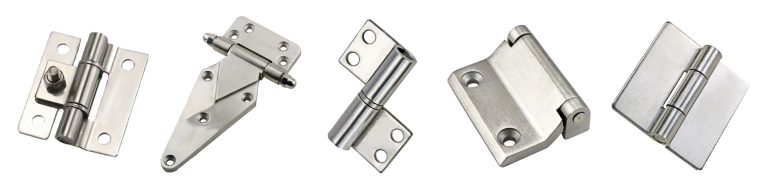
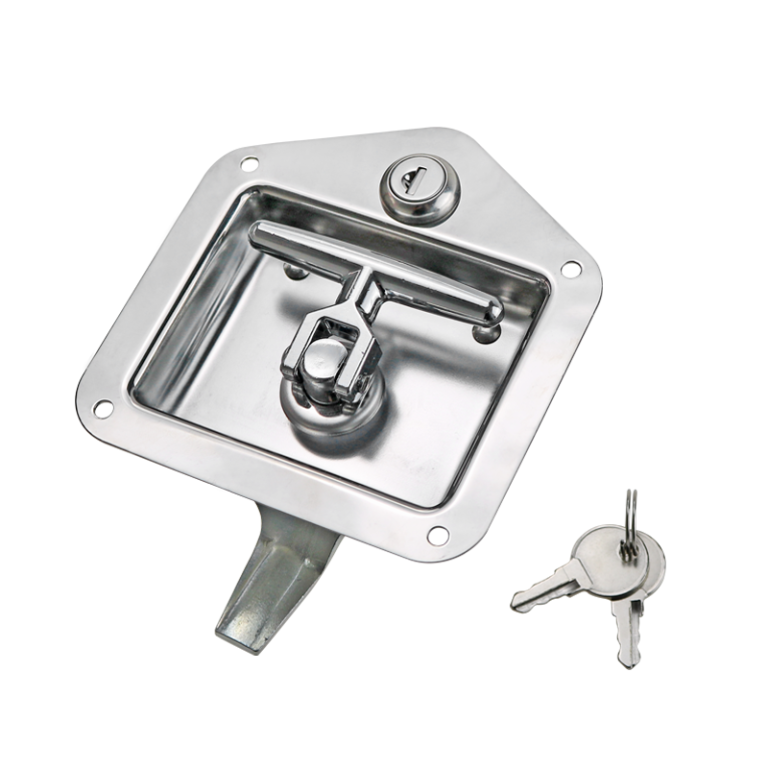
HTAN은 중국 최고의 산업용 경첩, 핸들 및 래치 제조업체 중 하나입니다.


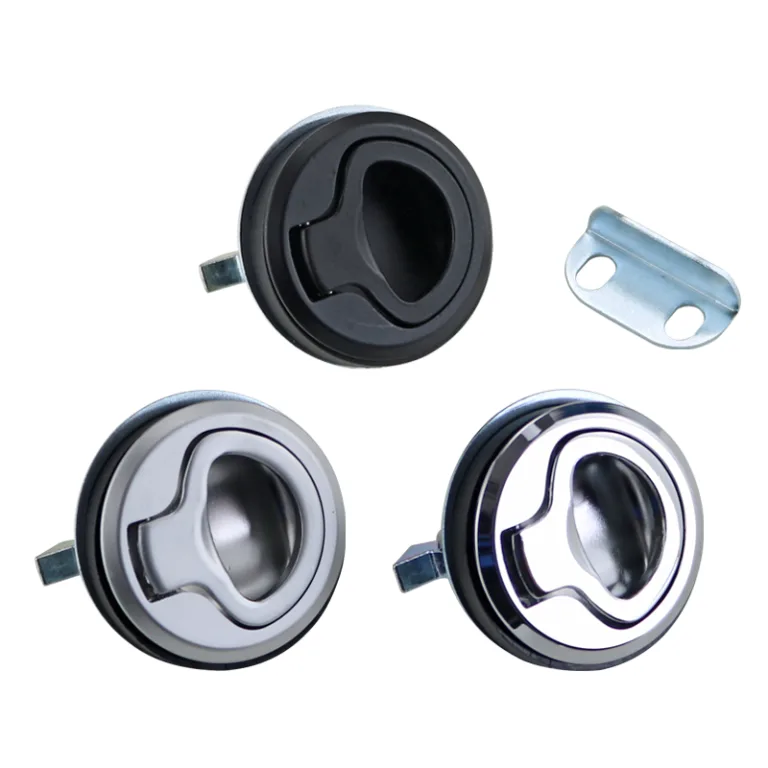
In ambulance and emergency vehicle design, 오목한 도어 래치 are used to secure cabinet doors, storage compartments, and access panels without leaving protruding hardware inside the vehicle. This matters because ambulance interiors are compact, equipment must stay stable during motion, and paramedics need fast access to medical supplies under time pressure.
Compared with external handles or protruding latch structures, a recessed latch helps create a safer and cleaner compartment surface. It reduces snag risk, improves cabinet-door integration, and helps prevent accidental opening caused by vibration, braking, or uneven road conditions. In emergency vehicles, these are not small details—they directly affect storage safety, working efficiency, and interior usability.
This article explains how recessed door latches are used in ambulances, what performance requirements matter most, which materials are more suitable for medical and vehicle environments, and how to evaluate latch design from a practical engineering perspective.
Why Ambulances Use Recessed Door Latches
Ambulances differ from ordinary service vehicles because interior storage systems must stay secure under movement while still allowing rapid access to equipment. Doors that open unexpectedly during driving can create safety risks, damage equipment, or slow emergency response. Recessed latches help solve these problems by combining secure closure with a flush, low-profile design.
- Flush hardware profile: Reduces protrusions in tight cabin spaces and helps prevent accidental impact or snagging.
- Improved storage security: Helps keep compartment doors shut during vibration and road shock.
- Faster access: Supports quick opening of cabinets that store emergency supplies or medical tools.
- Cleaner interior layout: Helps maintain a more organized cabinet surface inside the vehicle.
- Better equipment protection: Reduces the risk of cabinet doors opening and contents shifting during transport.
Typical Ambulance Applications
Medical Equipment Storage Cabinets
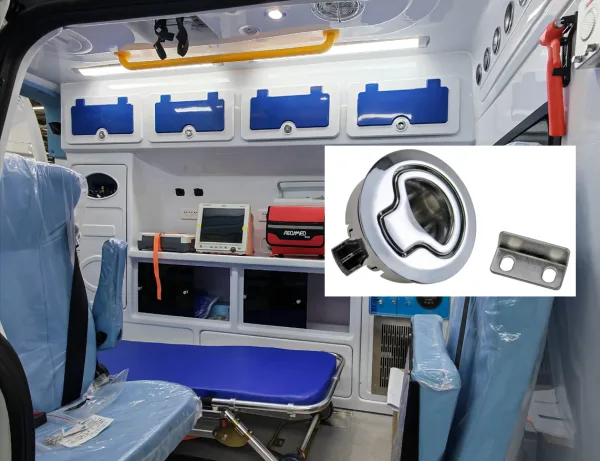
Ambulances carry critical devices such as defibrillators, monitors, ventilators, suction systems, and other emergency equipment. These cabinets must remain securely closed while the vehicle is moving, but they must also be opened quickly when treatment begins. Recessed latches help balance both needs by offering secure closure without bulky external hardware.
Medicine and First-Aid Supply Compartments
Storage areas for medicines, dressings, disposable supplies, and emergency tools benefit from flush latch systems because these compartments are often opened under pressure and in limited space. A recessed design helps avoid interference with nearby drawers, movement paths, or clothing while still keeping supplies contained during transport.
Internal Service and Access Panels
Ambulance interiors may include smaller internal doors or access panels for utility systems, equipment modules, or organized storage zones. In these locations, recessed latches help maintain a cleaner panel surface and reduce the chance of accidental contact during rapid movement inside the cabin.
Cargo and Support Storage Zones
Some ambulance layouts include compartments for larger support items such as stretchers, transport kits, protective materials, and other field-use equipment. These storage doors may experience repeated vibration and shock during vehicle operation, so stable latch engagement is especially important.
Why Flush Design Matters Inside Emergency Vehicles
In a standard industrial enclosure, flush latch design may be chosen for appearance or panel safety. In an ambulance, the same design has additional operational value. Medical staff move quickly in confined interior space, and protruding hardware can interfere with movement, clothing, equipment bags, or emergency procedures. A recessed latch helps create a smoother interior surface and reduces the likelihood of accidental collision with cabinet hardware.
- Lower snag risk: Helps reduce interference with clothing, cables, straps, and mobile equipment.
- Cleaner movement path: Important in compact working zones where every centimeter matters.
- Improved interior safety: Supports a more controlled and unobstructed cabinet layout.
- Better visual order: Makes compartment systems look more integrated and easier to manage.
Key Performance Requirements for Ambulance Recessed Latches
Anti-Vibration Stability
Ambulances operate under braking, turning, uneven roads, and repeated vibration. The latch should maintain secure engagement during vehicle motion so that cabinet doors do not drift open or release unintentionally.
Fast Access Under Emergency Conditions
Emergency response environments demand quick access to stored equipment and supplies. The latch should allow fast and intuitive opening without requiring complicated steps, especially in urgent or low-visibility situations.
Reliable Closure Over Repeated Use
Ambulance storage systems are used frequently. The latch should maintain stable engagement over many cycles without excessive wear, looseness, or unreliable closure behavior.
Cleanability and Maintenance
Because ambulance interiors require regular cleaning, latch design should support easy wipe-down and practical maintenance. Materials and finishes should also be selected with cleaning chemicals, humidity, and repeated handling in mind.
Material Suitability
The latch material should match both the vehicle environment and the duty level of the storage compartment. Internal cabinets, exposed vehicle access points, and heavier-duty compartments may require different material priorities.
Material Selection for Ambulance Recessed Latches
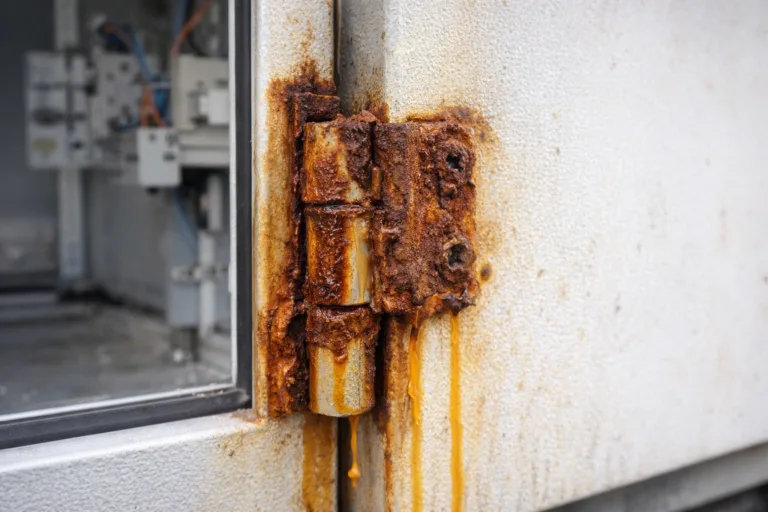
Material choice affects corrosion resistance, strength, weight, cleanability, and long-term wear. The best option depends on whether the latch is mounted inside the ambulance, near an exposed door opening, or in a compartment that sees heavier load or more frequent access.
| 재료 | Main Strength | Typical Ambulance Use |
|---|---|---|
| 스테인리스 스틸 | Strong corrosion resistance and good structural reliability | Higher-duty compartments, exposed areas, or environments needing easier cleaning |
| 엔지니어링 플라스틱 | Lightweight and suitable for selected interior applications | Light-duty internal compartments where lower mass matters |
| 알루미늄 합금 | Good weight-to-strength balance | Applications requiring lighter hardware with reasonable durability |
| Zinc Alloy / Coated Metal | Common in practical latch construction with flexible design options | Interior cabinet latches depending on finish and environment |
When corrosion resistance is a major consideration, it is useful to compare latch hardware decisions with broader material logic from our corrosion-resistant hardware guide.
Selection Checklist for Ambulance Projects
When evaluating a recessed latch for an ambulance or emergency vehicle compartment, selection should go beyond appearance or general locking function. These questions help make the application fit more accurate:
- What is the compartment used for? Medical device storage, medicine access, internal utility, or support cargo.
- How often is it opened? Frequently accessed doors may need faster and more ergonomic operation.
- How much vibration will it experience? Vehicle motion should be treated as a core design factor.
- Does the latch need key access or simple pull access? Security level depends on the stored contents.
- What is the panel thickness and cutout structure? The latch must match the actual compartment design.
- What cleaning and maintenance routine will the vehicle follow? Finish and material should support the real service environment.
Related Vehicle and Industrial Uses
Although this page focuses on ambulances, recessed latch solutions are also relevant in other specialty vehicles and selected industrial cabinet systems where flush hardware, secure storage, and controlled access are important. In enclosure-style applications, you can also compare related cabinet latching logic through our flat latch selection guide.
자주 묻는 질문
Q1: How do recessed latches improve ambulance safety?
They help keep cabinet doors securely closed during vehicle motion while also reducing external protrusions inside the cabin. This supports both safer storage and safer movement within a compact workspace.
Q2: Why is a flush latch better than a protruding handle in an ambulance?
A flush latch reduces snag risk, helps maintain a cleaner cabinet surface, and is better suited to tight interior layouts where paramedics move quickly around equipment and compartments.
Q3: What material is better for ambulance compartment latches?
That depends on the compartment location and duty. Stainless steel is often preferred where corrosion resistance and cleaning matter more, while lighter materials may be suitable for selected internal storage zones.
Q4: Are recessed latches suitable for high-frequency use?
Yes, when the latch design, material, and structure match the application. High-frequency ambulance storage doors should be specified with long-term closure stability and practical ergonomics in mind.
Q5: Do ambulance latches need special maintenance?
They should be inspected periodically for smooth operation, secure engagement, and visible wear. Cleaning compatibility and finish durability should also be considered as part of the vehicle’s routine maintenance schedule.
결론
Recessed door latches are well suited to ambulance interiors because they support secure cabinet closure, flush hardware design, and faster access to emergency equipment in a confined vehicle environment. Their value is not only in locking a door, but in helping ambulance storage systems remain stable, safe, and easy to use under real transport conditions.
For the best result, latch selection should be based on compartment function, vibration exposure, access frequency, cleaning routine, and panel structure. When these factors are matched correctly, recessed latches can improve both storage safety and response efficiency in ambulance and emergency vehicle applications.
For project-specific latch recommendations, you can also review more about our engineering background on the HTAN company profile or contact the team for application support.