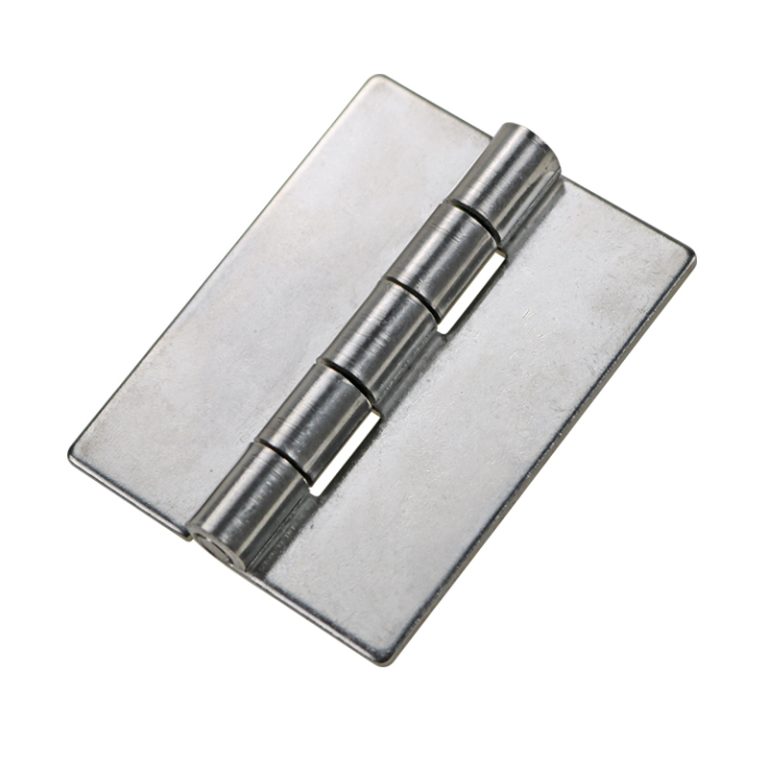
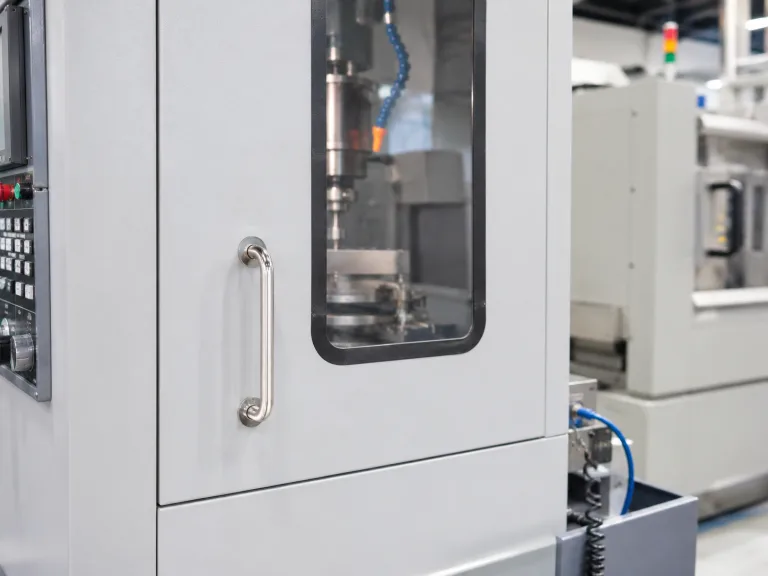
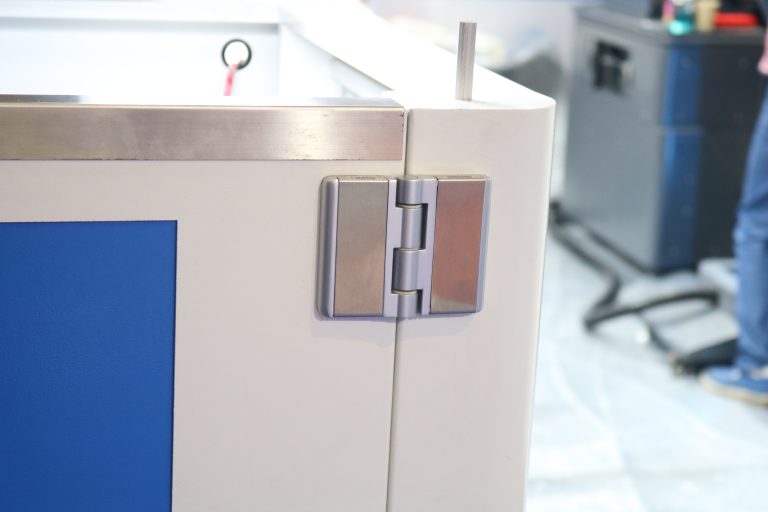
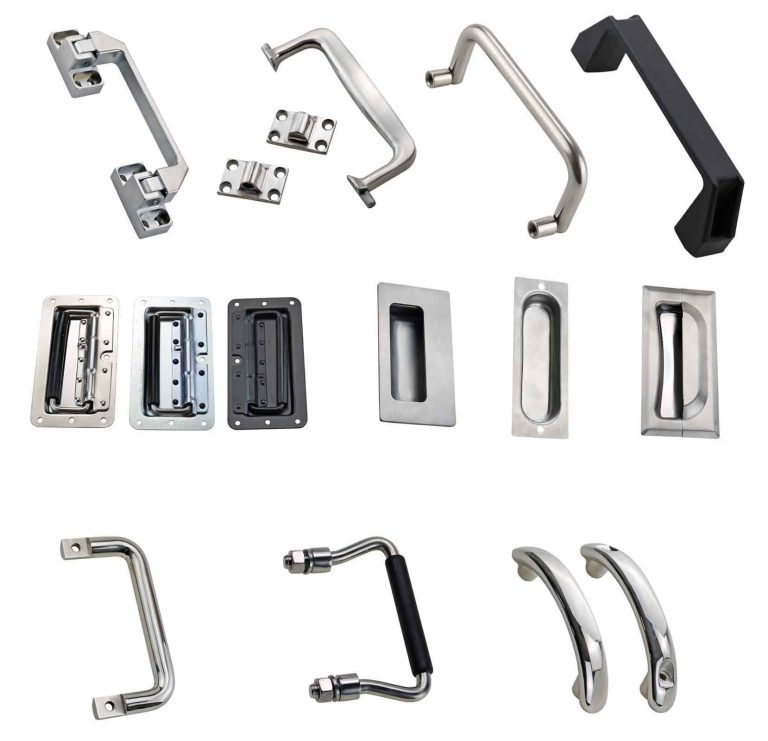
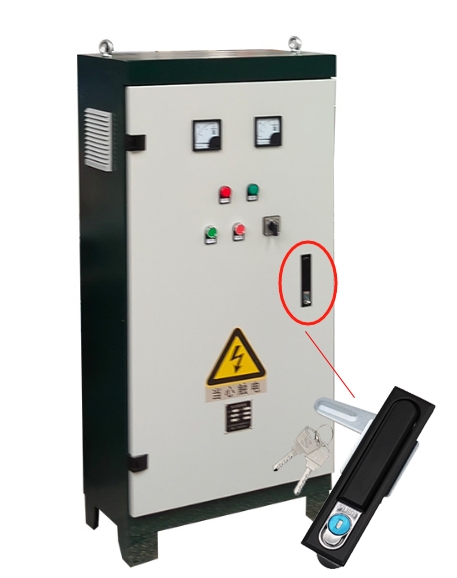
HTAN is one of the leading manufacturers of industrial hinges, handles and latches in China.


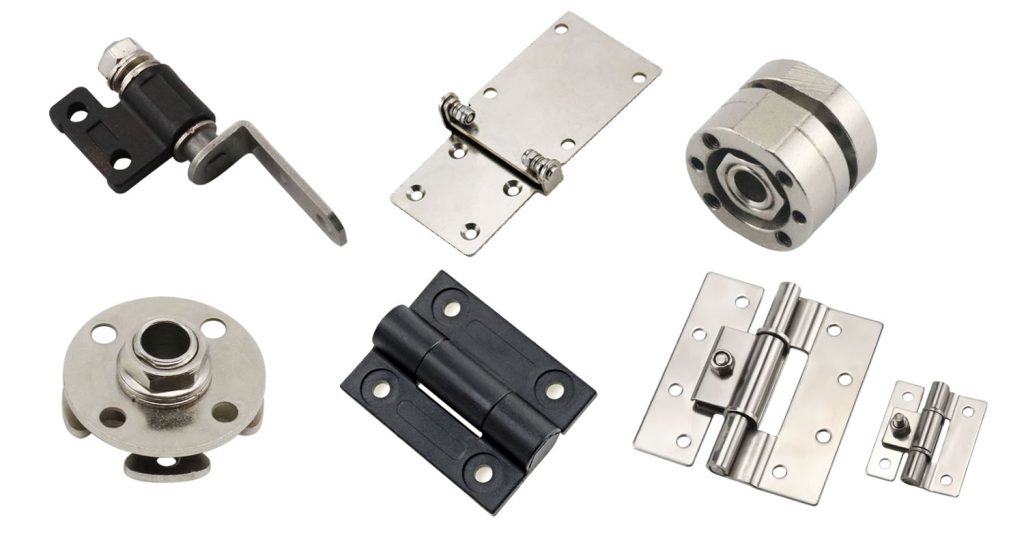
Adjustable torque hinge for controlled positioning and resistance tuning
Torque hinges are used when a lid, screen, panel, or access door must stay in position without external stays or gas springs. An adjustable torque hinge adds one more advantage: the resistance can be fine-tuned after installation or during product development to match the real load, motion feel, and user experience more accurately.
This makes adjustable torque hinges especially useful in industrial equipment, medical devices, electronics, display systems, and prototype-driven product development. Instead of selecting a completely fixed resistance from the start, engineers can adjust the hinge within its design range to achieve better balance between holding force, ease of movement, and long-term usability.
This guide explains how adjustable torque hinges work, how they differ from fixed torque hinges, where they are used, and how to select the right model for real projects.
What Is an Adjustable Torque Hinge? Core Mechanism and Definition
An adjustable torque hinge is a hinge with an internal resistance mechanism that allows rotational torque to be increased or decreased within a defined range. Unlike a standard hinge, which simply pivots freely, or a fixed torque hinge, which has a preset resistance value, an adjustable torque hinge allows engineers or installers to tune the resistance to better match the application.
In practical use, this means the same hinge family can support different panel weights, opening behaviors, or product revisions with less redesign work. Adjustable torque hinges are commonly selected when the final load is not fully fixed during development, when product feel matters, or when post-installation tuning is required.
How Adjustable Torque Hinges Work: Principle, Friction Mechanism, and Structure
Most adjustable torque hinges work through an internal friction-based mechanism. Inside the hinge body, friction elements such as discs, washers, cams, or spring-loaded interfaces generate resistance as the hinge rotates. The adjustment feature changes the preload or pressure inside this mechanism, which changes the amount of torque required to move the hinge.
That rotational resistance is usually expressed in Newton-meters (N·m). By increasing or decreasing the internal preload, the hinge can be tuned so that a panel moves more freely, holds its position more firmly, or achieves a more controlled movement feel.
Compared with ordinary hinges, this controlled resistance is what allows the panel to remain stable at a chosen angle. Compared with fixed torque models, the adjustable version adds more flexibility during product development, installation, and maintenance planning.
For a broader overview of how torque hinges function in general, see our torque hinge selection guide.
Key Components and Materials
The long-term performance of an adjustable torque hinge depends heavily on its internal design and material quality. Typical hinge construction includes a shaft, hinge body, friction or torque-generating components, and an adjustment mechanism such as a screw or controlled preload structure.
Internal wear components are often made from hardened steel or other wear-resistant materials. The housing may use stainless steel, zinc alloy, aluminum alloy, or engineering materials depending on the load range, corrosion requirement, and cost target. Surface treatment also matters because it affects corrosion resistance, appearance, and durability in real environments.
When evaluating an adjustable torque hinge, the torque range alone is not enough. Material quality, cycle performance, corrosion suitability, and adjustment reliability are just as important as the headline rating.
Key Features and Benefits of Using Adjustable Torque Hinges
Adjustable Torque Hinge Features: Customizable Resistance and Position Holding
The main advantage of an adjustable torque hinge is that the resistance can be matched more precisely to the real application. This helps panels, lids, and screens hold position without excessive looseness or excessive stiffness. In many applications, it also reduces the need for additional support arms, stays, or separate motion-control components.
Adjustment also improves development flexibility. During prototyping, the exact panel weight, center of gravity, or user preference may change several times. An adjustable hinge gives engineers more room to fine-tune motion before committing to a final fixed-torque solution or before freezing product specifications.
In some designs, post-installation tuning can also compensate for small real-world differences in panel load, assembly tolerance, or wear over time. This can improve serviceability and extend usable life in certain applications.
Adjustable Torque Hinge vs Fixed Torque Hinge
| Type | Main Advantage | Best For |
|---|---|---|
| Adjustable torque hinge | Torque can be tuned within a defined range | Prototyping, variable-load applications, projects requiring fine adjustment |
| Fixed torque hinge | Stable preset torque and simpler structure | Standardized production with known, repeatable requirements |
Adjustable torque hinges are not automatically better in every case. If the application is already well defined and the required motion is stable across production, a fixed torque hinge may be the more economical and efficient choice. Adjustable models are most valuable when tuning flexibility is part of the project requirement.
Durability and Smooth Motion Control
Well-designed adjustable torque hinges can provide long cycle life and stable motion control when the hinge is correctly selected for the load and environment. Actual service life depends on panel weight, adjustment level, opening frequency, contamination, alignment, and whether the hinge is used within its intended torque range.
Smooth motion control is one of the most important functional benefits. In electronics, it improves the opening feel of screens and lids. In medical or industrial equipment, it improves safety and positioning stability. In both cases, controlled movement often improves perceived product quality as well as practical performance.
Common Applications and Industries for Adjustable Torque Hinges
HT302-1W torque hinge application demo
Consumer Electronics and Laptops
Adjustable torque hinges are often used in laptops, tablets, displays, and compact devices where controlled movement and stable positioning are critical. In these applications, the hinge must balance light operating force with enough holding torque to prevent drift or wobble.
They may also be used during product development to refine the motion feel before production specifications are fixed. Compact size, stable torque behavior, and cable-routing considerations are often important in this category.
Industrial, Medical, and Automotive Uses
In industrial equipment, adjustable torque hinges are used on machine covers, access panels, operator interfaces, and control console screens that need controlled positioning during maintenance or use. In medical equipment, they are used on monitor mounts, rolling carts, light arms, and devices that require precise adjustment and stable positioning.
Automotive and transportation applications may use adjustable torque hinges in center console lids, infotainment screens, and other controlled-access components where movement feel and long-term reliability matter. In all of these sectors, environment, load, and cycle life must be evaluated carefully before selection.
How to Select the Right Adjustable Torque Hinges for Your Project
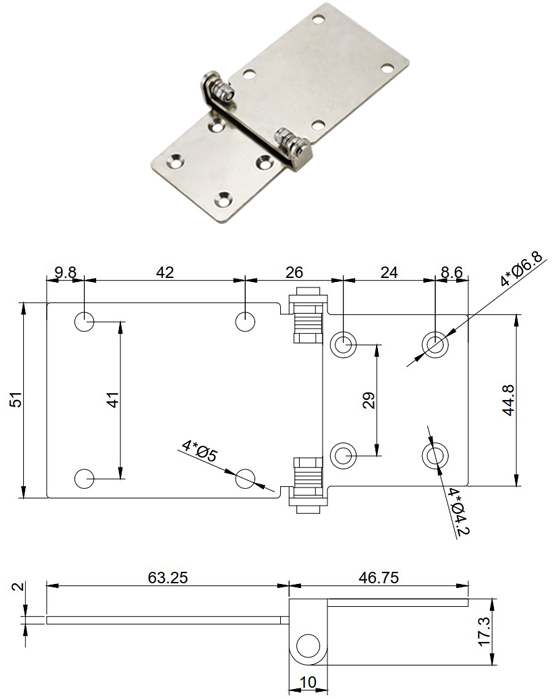
DP045 product dimension drawing
Determining Torque Requirements and Size
Selection begins with the required holding torque. This depends on panel weight, the distance from the hinge axis to the center of gravity, the number of hinges used, and whether the application involves vibration, dynamic movement, or operator force.
A simplified starting point is to estimate the torque created by the panel weight and then apply a suitable safety margin. In practical engineering work, this should also include mounting strength, hinge spacing, and real-use conditions. For broader load evaluation logic, refer to our hinge load capacity guide.
After torque is estimated, the hinge size, mounting method, opening angle, and available installation space must also be checked. The hinge must not only provide the required resistance, but also fit the geometry of the product and move through the required angle range without interference.
Considering Environmental and Load Factors
Material and surface treatment should be matched to the environment. Outdoor or damp conditions may require stainless steel or corrosion-resistant finishes. Cleanroom, medical, or hygienic applications may impose additional material and maintenance constraints. High-temperature or low-temperature environments may also affect lubricant behavior and torque consistency.
Load is not just about static weight. Engineers should also consider how force is applied during use, whether the panel is frequently adjusted, how often it cycles, and whether the hinge will see impact, misuse, or vibration. These factors influence both hinge life and required torque margin.
If the project needs a more specialized rotating design, you may also want to compare with a swivel torque hinge depending on range of motion and structural layout.
Installation Tips and Maintenance Best Practices
Step-by-Step Mounting Guidance
Correct installation is essential for adjustable torque hinge performance. The hinge should be mounted on flat, rigid surfaces with correct alignment, and the recommended fasteners should be used. Even small installation errors can create uneven wear, inconsistent torque, or abnormal motion.
When multiple hinges are used, axis alignment becomes especially important. During initial installation, it is usually best to start within the recommended adjustment range rather than immediately setting the hinge at maximum resistance. Small tuning steps followed by motion testing are safer and more reliable than large adjustment changes.
Adjustment should always follow the manufacturer’s design limits. Over-tightening beyond the intended range can damage the internal mechanism and reduce service life.
Long-Term Care and Troubleshooting
Most adjustable torque hinges require limited routine maintenance, but they should still be inspected periodically in high-cycle or demanding environments. Signs such as reduced holding force, looseness, stiffness, unusual noise, or drift may indicate wear, contamination, fastener loosening, or incorrect loading.
General-purpose lubricants should not be applied unless the hinge manufacturer specifically recommends them. Many friction-based torque hinges are designed with sealed internal lubrication or controlled friction systems that can be negatively affected by unsuitable oils or sprays.
If adjustment no longer restores stable performance, the hinge may have reached the end of its usable life or may have been incorrectly specified for the application.
Warranty, Support, and Purchasing Considerations
Understanding Manufacturer Warranties and Returns
For adjustable torque hinges used in engineered products, supplier documentation matters. Buyers should review torque range, cycle life, material specification, environmental suitability, and return or warranty terms before making large-volume purchases. Sample testing is strongly recommended when the motion feel or load margin is critical.
Warranty terms vary by supplier, but a clear warranty policy often indicates a more mature product and process control system. For custom projects, pre-production validation is especially important because return conditions may be more limited once specifications are customized.
Evaluating Suppliers and Technical Support
Supplier selection should not be based on price alone. Good technical support can significantly reduce product development risk. Useful supplier support may include CAD files, dimension drawings, torque range data, cycle test information, and engineering input during the selection process.
For projects involving industrial cabinet doors, access panels, or equipment covers, it is often worth discussing load, environment, adjustment range, and installation geometry with the supplier before finalizing the hinge selection.
If you need application-based support, you can contact our engineering team for selection assistance.
FAQ About Adjustable Torque Hinges
How do you make an adjustable torque hinge tighter?
Most adjustable torque hinges use an adjustment screw or similar mechanism. Increasing the internal preload increases resistance, but adjustment should always be done gradually and within the manufacturer’s recommended range.
Can adjustable torque hinges be used for heavy doors?
Yes, but only if the hinge torque range, structure, mounting method, and number of hinges are correctly matched to the door size and load. For heavier doors, multiple hinges and proper load calculations are often required.
How long do adjustable torque hinges last?
Service life is usually evaluated in opening and closing cycles. Actual life depends on load, environment, alignment, frequency of adjustment, and whether the hinge is used within its intended range.
Can adjustable torque hinges be used outdoors?
Some can, but outdoor suitability depends on material selection, sealing, finish, and corrosion resistance. Standard indoor hinges should not automatically be assumed suitable for outdoor use.
Conclusion
Adjustable torque hinges solve a specific engineering problem: they allow rotational resistance to be tuned so that panels, lids, screens, and access doors move in a controlled way and remain stable at the required position. That makes them especially valuable in prototype development, precision products, and applications where post-installation tuning is useful.
When correctly selected, adjustable torque hinges improve motion control, reduce the need for secondary support hardware, and make product performance more predictable. The right choice depends on torque requirement, load, environment, mounting geometry, and long-term cycle conditions rather than adjustment range alone.