HTAN es uno de los principales fabricantes de bisagras, manillas y pestillos industriales de China.


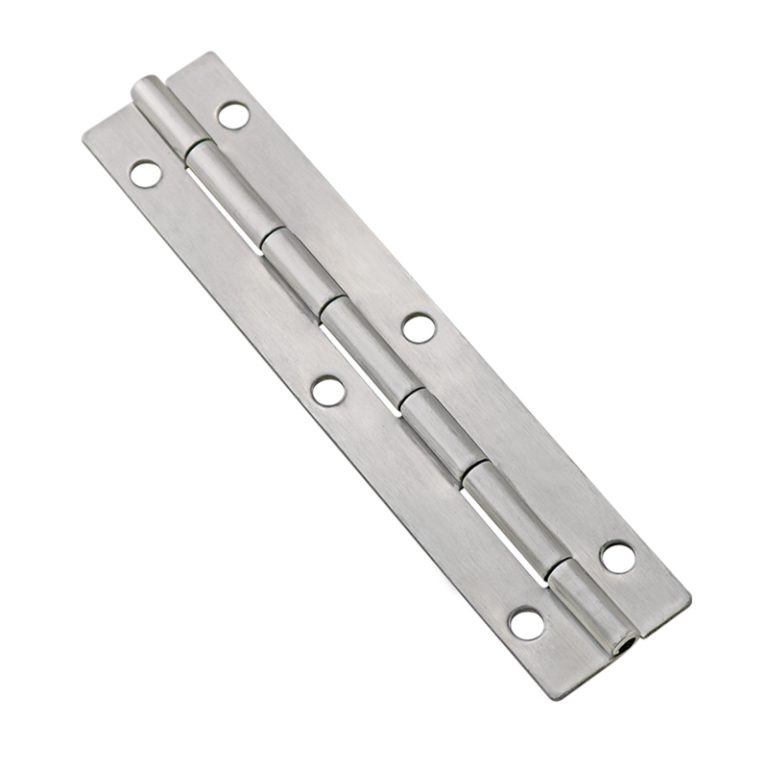
Las bisagras de aleación de zinc suelen preferirse para aplicaciones interiores secas y sensibles a los costes, mientras que las bisagras de acero inoxidable son más adecuadas para entornos exteriores, de alta carga, ciclos elevados o corrosivos. La elección correcta depende del peso de la puerta, la exposición a la corrosión, la frecuencia de funcionamiento, la temperatura y el coste total de propiedad, más que del precio unitario por sí solo.
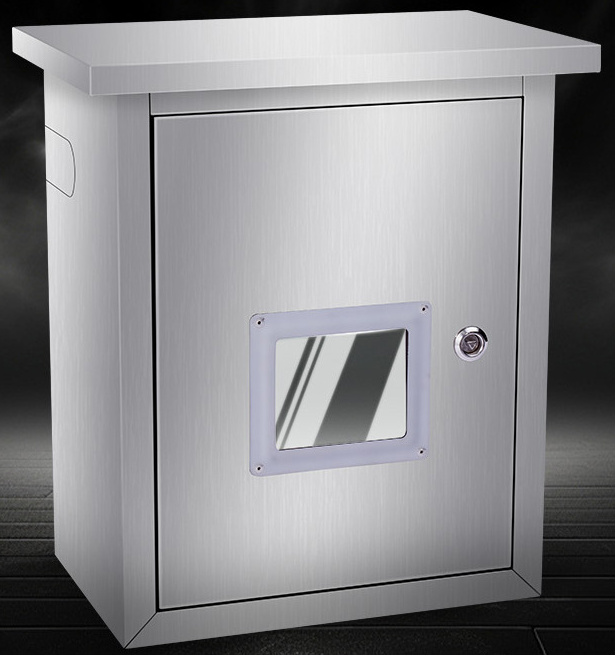
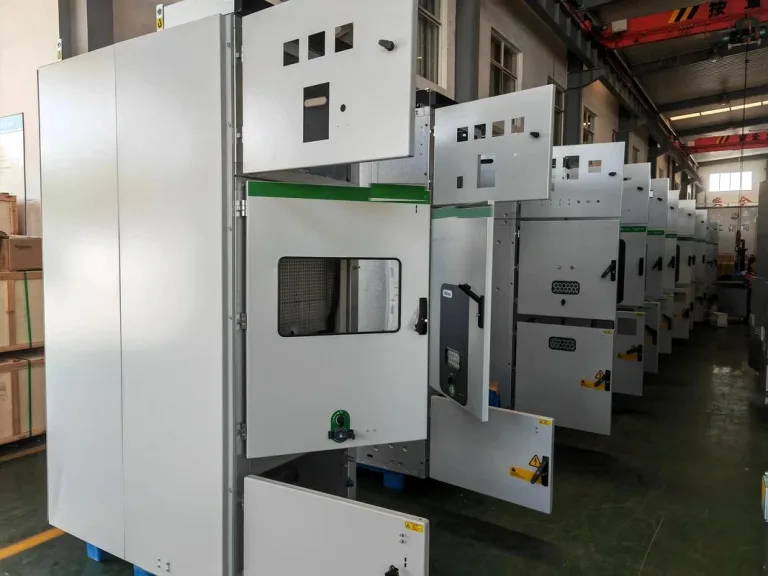
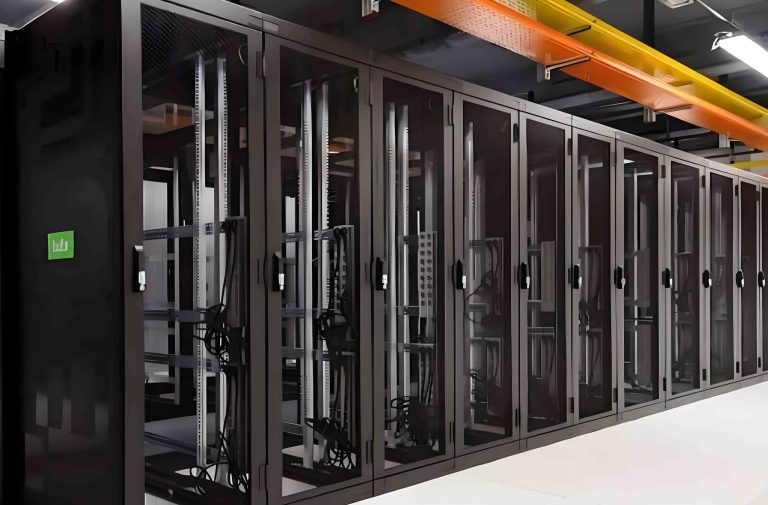
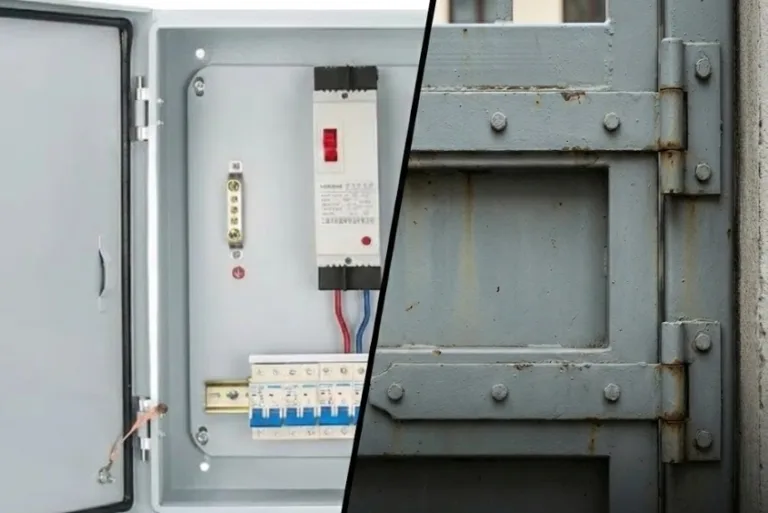
En armarios industrialesEn los armarios eléctricos, los equipos de transporte y las puertas de acceso a las máquinas, las bisagras deben soportar aperturas y cierres repetidos, vibraciones, variaciones de temperatura y una exposición prolongada al entorno. La elección de un material de bisagra inadecuado es una de las causas más comunes de hundimiento prematuro de las puertas, fallos en las juntas, problemas de corrosión y mantenimiento innecesario en las instalaciones industriales.
Los dos materiales de bisagra más utilizados son bisagras de aleación de zinc y bisagras de acero inoxidable. En esta guía se comparan la resistencia, la resistencia a la corrosión, el método de fabricación, la temperatura de servicio, el coste del ciclo de vida y las aplicaciones industriales reales, de modo que los ingenieros y los equipos de compras puedan tomar una decisión basada en los requisitos de la aplicación y no en suposiciones.
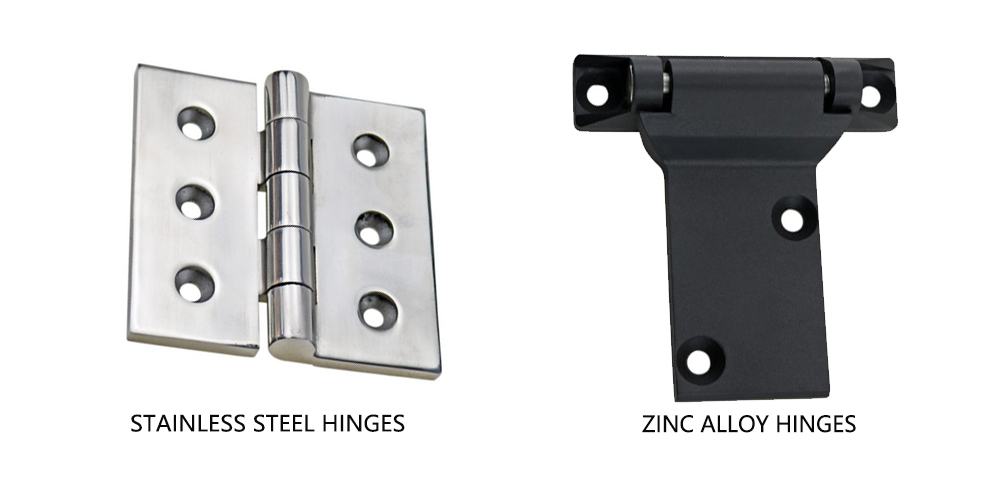
Bisagras de aleación de zinc frente a bisagras de acero inoxidable
| Situación | Mejor elección | Motivo principal |
|---|---|---|
| Equipamiento interior seco de uso moderado | Aleación de zinc | Menor coste y buena consistencia dimensional |
| Entornos exteriores o húmedos | Acero inoxidable | Mejor resistencia a la corrosión y mayor vida útil |
| Puertas pesadas o carga estructural elevada | Acero inoxidable | Mayor resistencia y fiabilidad a largo plazo |
| Aplicaciones OEM decorativas o sensibles a los costes | Aleación de zinc | Buenas opciones de aspecto y fundición eficiente |
| Costa, lavado o exposición química | Acero inoxidable 316 | Mayor resistencia a los cloruros y a los entornos de limpieza agresivos |
| Equipos de almacenamiento en frío o de alta temperatura | Acero inoxidable | Gama de temperaturas de funcionamiento más amplia |
Si la aplicación es ligera, de interior y sensible al presupuesto, la aleación de zinc suele ser la elección práctica. Si la aplicación implica corrosión, cargas más pesadas, acceso frecuente o un objetivo de larga vida útil, el acero inoxidable suele ser la especificación más segura.
Bisagras de aleación de zinc: Composición del material y fabricación
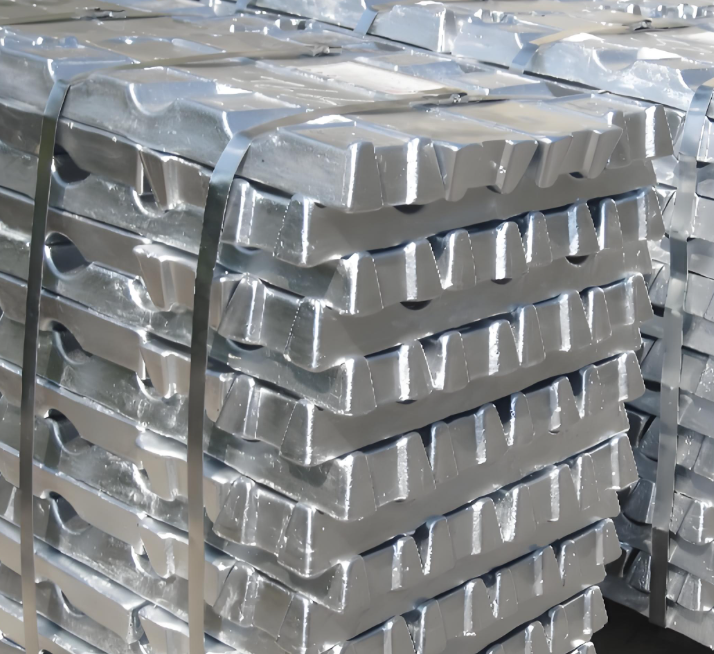
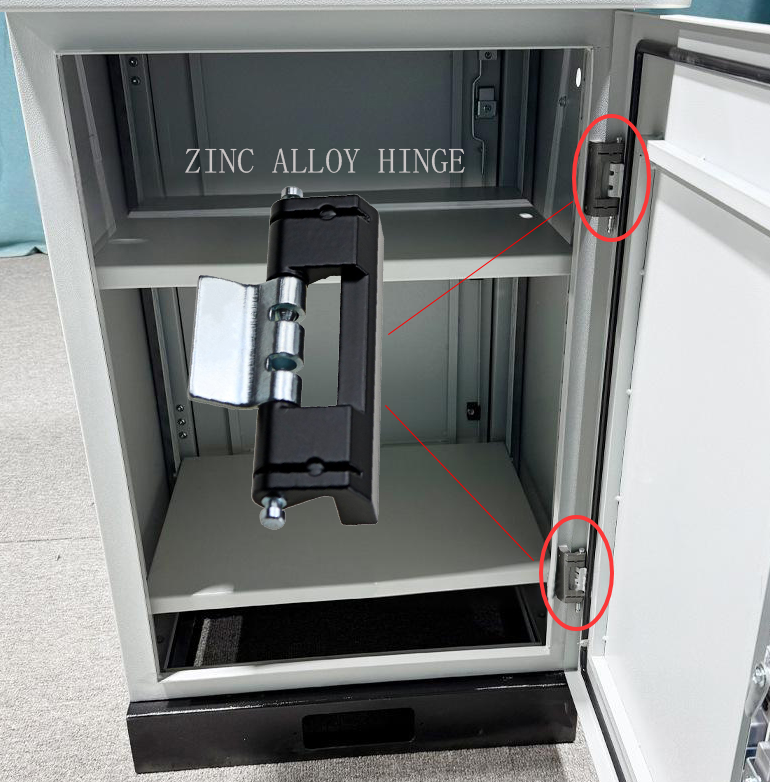
Las bisagras de aleación de zinc suelen fabricarse a partir de aleaciones basadas en ZAMAK, normalmente ZAMAK 3 y ZAMAK 5, mediante fundición a alta presión. Este proceso permite inyectar aleación fundida en moldes de acero de precisión a alta velocidad, lo que lo hace eficiente para la producción de grandes volúmenes de bisagras de formas complejas con buena consistencia dimensional y atractivas opciones de acabado superficial.
Dado que la fundición a presión admite geometrías complejas y superficies de acabado liso, la aleación de zinc se utiliza ampliamente cuando el aspecto, la flexibilidad de la forma y la eficiencia de la producción son importantes. Es especialmente común en armarios de interior, paneles de equipos, herrajes decorativos y puntos de acceso industriales de uso medio.
| Elemento | Contenido típico | Papel en la aleación |
|---|---|---|
| Aluminio (Al) | Aprox. 3%-4% | Mejora la resistencia, la dureza y la colabilidad |
| Cobre (Cu) | Aprox. 0,5%-3% | Puede mejorar la fuerza y la resistencia al desgaste |
| Magnesio (Mg) | Cantidad mínima | Favorece el control del grano y la estabilidad general de la aleación |
| Níquel (Ni) | Rastro o uso de grado especial | Puede mejorar el comportamiento frente a la corrosión y la temperatura en determinados grados |
| Otros oligoelementos | Niveles bajos | Control de impurezas y equilibrio del proceso |
Ventajas de las bisagras de aleación de zinc
- Rentable para la producción en serie: La aleación de zinc suele ser más económica que el acero inoxidable en proyectos OEM de gran volumen.
- Buena flexibilidad de diseño: La fundición a presión permite fabricar perfiles complejos, formas decorativas y detalles integrados que son difíciles o más caros de producir en otros materiales.
- Fabricación eficiente: Los ciclos de producción rápidos ayudan a acortar los plazos de entrega en programas de producción repetitiva.
- Amplias opciones de acabado: El cromado, el recubrimiento en polvo y los acabados decorativos se aplican habitualmente para mejorar el aspecto y la protección básica.
Limitaciones de las bisagras de aleación de zinc
- Depende más de la protección de la superficie: La aleación de zinc suele depender de la calidad del revestimiento o chapado para obtener un rendimiento anticorrosivo a largo plazo.
- No es ideal para entornos de corrosión severa: En condiciones costeras, de lavado o químicas, la durabilidad a largo plazo suele ser inferior a la del acero inoxidable.
- Menor margen estructural que muchos diseños de bisagras de acero inoxidable: Para puertas más grandes o pesadas, debe comprobarse cuidadosamente el tamaño de las bisagras, su número y la estructura de montaje.
- Menos adecuado para temperaturas extremas: La aleación de zinc suele ser menos atractiva para entornos bajo cero o a altas temperaturas.
Bisagras de acero inoxidable: Composición del material y fabricación
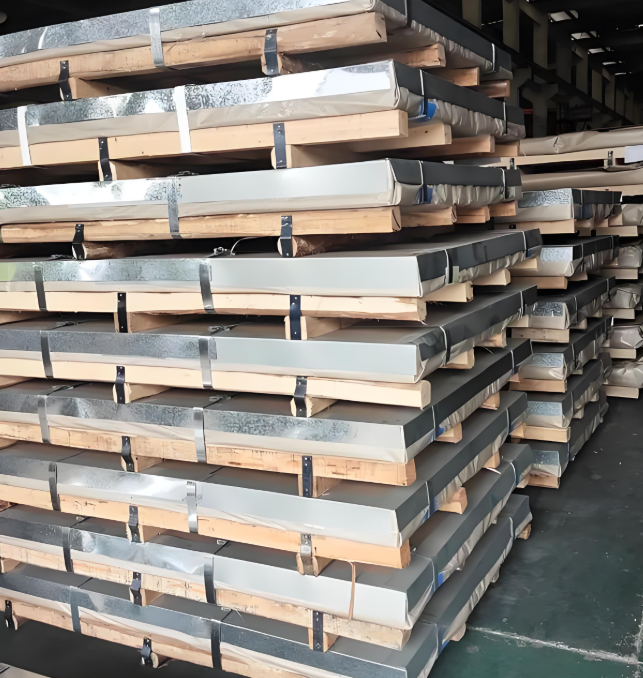
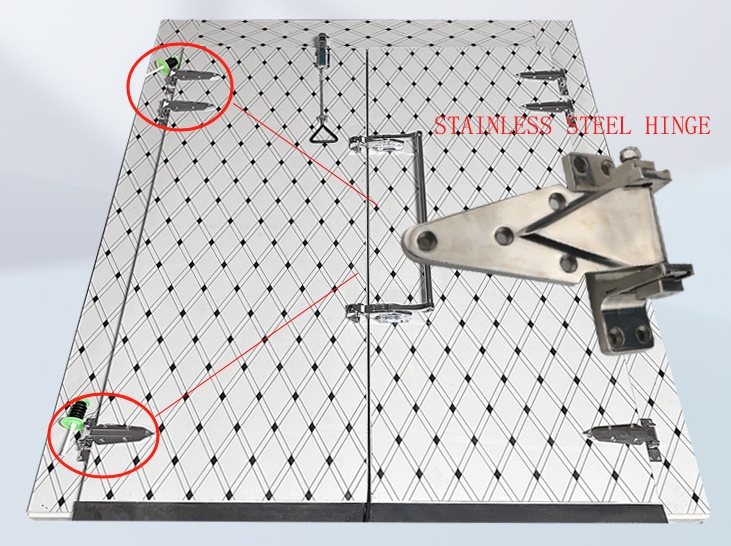
Las bisagras de acero inoxidable se fabrican a partir de aleaciones de hierro-cromo, con Grado Acero inoxidable 304 y el acero inoxidable de grado 316 son los dos materiales más comunes en ferretería industrial. La fabricación de bisagras de acero inoxidable puede implicar estampación, soldadura, mecanizado, fundición o fabricación en función del diseño de la bisagra, la capacidad de carga y los requisitos de la aplicación.
La principal ventaja de rendimiento del acero inoxidable procede de su capa pasiva rica en cromo, que proporciona una resistencia continua a la corrosión sin la misma dependencia de los sistemas decorativos de chapado o revestimiento. En entornos industriales en los que el acceso para el mantenimiento es limitado, la vida útil es importante o la exposición a la corrosión es continua, el acero inoxidable suele ofrecer una solución más fiable a largo plazo.
| Elemento | Contenido típico | Papel en la aleación |
|---|---|---|
| Cromo (Cr) | Aprox. 18%-20% | Crea la capa de óxido pasiva resistente a la corrosión |
| Níquel (Ni) | Aprox. 8%-10,5% en 304 | Mejora la ductilidad, la tenacidad y la estabilidad estructural |
| Carbono (C) | Nivel bajo | Favorece la soldabilidad y ayuda a reducir el riesgo de sensibilización |
| Manganeso (Mn) | Cantidad controlada | Contribuye a la resistencia y al endurecimiento por el trabajo |
| Molibdeno (Mo) | Aprox. 2%-3% en 316 | Mejora la resistencia al cloruro y a las picaduras |
Ventajas de las bisagras de acero inoxidable
- Mayor potencial de resistencia: Muchos diseños de bisagras industriales de acero inoxidable son adecuados para puertas más grandes y condiciones estructurales más exigentes.
- Mayor resistencia a la corrosión: El acero inoxidable suele ser la opción preferida para entornos exteriores, húmedos, de lavado o químicamente agresivos.
- Rango de temperaturas de funcionamiento más amplio: El acero inoxidable es más adecuado para el almacenamiento en frío, la exposición invernal al aire libre y las aplicaciones a temperaturas elevadas.
- Mayor vida útil en condiciones severas: En el entorno adecuado, el acero inoxidable puede reducir la frecuencia de sustitución y la carga de mantenimiento.
- Más adecuado para equipos críticos: Cuando el riesgo de tiempo de inactividad es alto, el acero inoxidable suele soportar un menor coste de propiedad a largo plazo.
Limitaciones de las bisagras de acero inoxidable
- Mayor coste inicial: El acero inoxidable suele requerir un mayor presupuesto inicial.
- Material más pesado: Dependiendo del diseño de las bisagras, el peso total de los herrajes puede ser superior al de las alternativas de aleación de zinc.
- La producción a medida puede ser más lenta: Algunos diseños de bisagras de acero inoxidable fabricadas o mecanizadas pueden implicar plazos de entrega más largos que las piezas de fundición a presión estándar.
Comparación cara a cara: 8 dimensiones clave
| Dimensión | Bisagras de aleación de zinc | Bisagras de acero inoxidable |
|---|---|---|
| Fuerza | Adecuado para demandas estructurales de ligeras a moderadas | Normalmente mejor para aplicaciones de mayor carga |
| Resistencia a la corrosión | Depende en gran medida de la calidad del revestimiento y del entorno | Suele ser superior en condiciones húmedas, exteriores y corrosivas |
| Coste | Menor coste inicial en muchos proyectos OEM | Mayor coste de adquisición inicial |
| Flexibilidad del acabado superficial | Muy bueno para acabados decorativos y colores | Acabados industriales más limitados pero duraderos |
| Temperatura adecuada | Más limitado en los extremos | Rango de funcionamiento más amplio |
| Demanda de mantenimiento | Puede requerir la inspección del revestimiento en entornos difíciles | A menudo inferior en condiciones de servicio adecuadas |
| Coste del ciclo de vida | Puede resultar atractivo en interiores de uso ligero | A menudo menor duración en entornos exigentes |
| Mejor ajuste | Aplicaciones de interior, sensibles a los costes y de uso moderado | Aplicaciones de exterior, servicio pesado, ciclos altos y corrosión |
Cuando las bisagras de aleación de zinc son la mejor opción
- Equipamiento interior seco: La aleación de zinc suele ser adecuada cuando la exposición a la humedad, los productos químicos y la sal es mínima.
- Programas OEM sensibles a los costes: Cuando el coste unitario importa en grandes volúmenes de producción, la aleación de zinc puede ofrecer un buen valor.
- Formas de bisagra complejas o decorativas: La fundición a presión es especialmente atractiva cuando el aspecto y el detalle de la forma son importantes.
- Uso moderado en armarios y recintos: Para puertas de interior más ligeras, la aleación de zinc puede ser una opción eficaz cuando el tamaño y la cantidad de las bisagras se ajustan correctamente.
La aleación de zinc no es un material de baja calidad por defecto. Simplemente, se adapta mejor a unas aplicaciones que a otras. En entornos industriales protegidos donde la exposición a la corrosión es baja y el presupuesto importa, puede ser una especificación muy razonable.
Cuándo merece la pena pagar más por las bisagras de acero inoxidable
- Instalaciones exteriores y costeras: El acero inoxidable suele ser la opción preferida cuando se espera humedad, condensación o exposición a cloruros.
- Puertas pesadas y resistentes: Para paneles de mayor tamaño y cargas de trabajo más elevadas, el acero inoxidable suele ofrecer una mayor confianza a largo plazo.
- Puntos de acceso de ciclo alto: Las puertas que se abren y cierran con frecuencia se benefician de materiales más resistentes y expectativas de vida útil más largas.
- Entornos alimentarios, médicos y de lavado: El acero inoxidable suele ser el material preferido cuando la higiene, la resistencia a la limpieza y la corrosión son importantes.
- Almacenamiento en frío y temperaturas extremas: El acero inoxidable suele ser más apropiado cuando se trata de fallos por fragilidad o deformación térmica.
En estos entornos, el mayor coste de adquisición suele compensarse con menos sustituciones, menos mantenimiento y un menor riesgo de inactividad a lo largo de la vida útil del equipo.
Bisagras de acero inoxidable 304 frente a 316
| Grado | Lo mejor para | Ventaja principal | Principal incidencia en los costes |
|---|---|---|---|
| Acero inoxidable 304 | Aplicaciones industriales generales, en exteriores y en armarios | Buena resistencia a la corrosión y amplia disponibilidad | Inferior a 316 |
| Acero inoxidable 316 | Entornos marinos, costeros, químicos y de lavado | Mayor resistencia al cloruro y a las picaduras | Superior a 304 |
En muchas aplicaciones industriales estándar, el acero inoxidable 304 es suficiente. Para aplicaciones costeras, marinas, de limpieza con cloro o de exposición a productos químicos agresivos, el acero inoxidable 316 suele ser la opción más segura por su mayor resistencia a las picaduras y a los ataques relacionados con el cloro.
Aplicaciones típicas de las bisagras de aleación de zinc y acero inoxidable
| Aplicación | Generalmente mejor material | Razón |
|---|---|---|
| Armario eléctrico interior | Aleación de zinc o acero inoxidable 304 | Depende del presupuesto, el nivel de servicio y la humedad. |
| Puerta de recinto exterior | Acero inoxidable | Mayor resistencia a la corrosión a largo plazo |
| Puerta de acceso a la máquina | Depende de la carga y del ciclo | La carga estructural y la frecuencia de apertura importan más que la apariencia |
| Equipos de procesado de alimentos | Acero inoxidable | Resistencia a la limpieza y requisitos de higiene |
| Maleta de transporte o panel de equipo protegido | Aleación de zinc | A menudo adecuado para un uso moderado en interiores o semiprotegido |
| bisagras para cámaras frigoríficas aplicaciones | Acero inoxidable | Mayor fiabilidad a bajas temperaturas |
Fabricación y coste total de propiedad
| Factor de coste | Aleación de zinc | Acero inoxidable |
|---|---|---|
| Coste unitario inicial | Normalmente inferior | Normalmente más alto |
| Lógica de herramientas | El coste del troquel puede ser mayor, pero es eficaz para grandes tiradas | Menor dependencia del molde, pero mayor coste de procesamiento por pieza en algunos diseños. |
| Velocidad de producción | A menudo, alta en programas de fundición repetidos de OEM | Depende de la ruta de fabricación y de la estructura de la bisagra |
| Frecuencia de sustitución | Puede ser mayor en entornos difíciles | Suele ser más bajo cuando el grado coincide con el entorno |
| Coste total de propiedad | Suele ser atractivo en interiores protegidos | A menudo más fuerte en entornos de servicio exigentes |
Orientación TCO: En aplicaciones industriales de alto número de ciclos, al aire libre o sensibles a la corrosión, el acero inoxidable suele ofrecer un coste total de propiedad inferior aunque el coste inicial de la unidad sea superior. En proyectos interiores secos, de uso moderado y condiciones controladas, la aleación de zinc puede seguir siendo la opción más económica.
Cómo seleccionar el material de bisagra adecuado: Guía en 4 pasos
Paso 1: Evaluar el entorno operativo
- Recinto interior seco o protegido: la aleación de zinc puede ser adecuada y rentable.
- Exposición a la intemperie, alta humedad, costa o lavado: normalmente se prefiere el acero inoxidable.
- Entornos bajo cero: el acero inoxidable suele ser más adecuado.
- Entornos de alta temperatura: el acero inoxidable suele ser la especificación más segura.
Paso 2: Comprobar el peso y la carga de la puerta
La selección del material debe comprobarse siempre en función del tamaño real de la puerta, el número de bisagras y la estructura de montaje. Si la aplicación implica puertas más grandes o una carga estructural significativa, revise el guía de capacidad de carga de las bisagras en lugar de basarse únicamente en la categoría del material. Para proyectos de mayor carga, bisagras para cargas pesadas deben seleccionarse basándose en cálculos de ingeniería reales.
Paso 3: Evaluar la frecuencia de apertura
- Acceso de mantenimiento poco frecuente: la aleación de zinc puede ser apropiada en el entorno adecuado.
- Funcionamiento a alta frecuencia: a menudo se prefiere el acero inoxidable por su mayor vida útil y menor riesgo de desgaste.
Paso 4: Calcular el coste total de propiedad
No compare los materiales sólo por el precio unitario. Tenga en cuenta la vida útil prevista, la frecuencia de sustitución, la mano de obra de mantenimiento, el riesgo de inactividad y los fallos relacionados con la corrosión. En entornos más severos, el mayor coste de adquisición del acero inoxidable suele compensarse con menores costes de sustitución y mantenimiento a lo largo del tiempo.
Guía de adquisiciones: 5 cosas que hay que comprobar antes de hacer un pedido
- Verifique el grado del material: Confirme si la bisagra es de aleación de zinc, acero inoxidable 304 o acero inoxidable 316 en lugar de aceptar una descripción vaga del material.
- Solicite documentos justificativos: Solicite registros de pruebas de materiales, datos de pruebas de corrosión y documentación de calidad cuando sea necesario.
- Compruebe las expectativas de vida útil: La carga y la corrosión no son los únicos problemas; la frecuencia de servicio también importa.
- Confirme la compatibilidad dimensional: El tamaño de la hoja, el patrón de los orificios de montaje, el grosor del panel y el espacio libre deben coincidir con la instalación real.
- Especifique claramente la aplicación: Indique al proveedor si la bisagra es para uso interior, exterior, lavado, costero, almacenamiento en frío o ciclos altos, para que la recomendación de material pueda validarse adecuadamente.
PREGUNTAS FRECUENTES
¿Se oxidarán por completo las bisagras de aleación de zinc?
En ambientes interiores secos, la aleación de zinc puede funcionar de forma fiable durante muchos años con un revestimiento de calidad adecuada. En ambientes húmedos, exteriores o expuestos a la sal, la protección contra la corrosión depende mucho más de la integridad del revestimiento, el mantenimiento y el nivel de exposición real. Una vez que los acabados protectores están muy dañados, el deterioro del material base puede acelerarse.
¿Cuál es la diferencia entre las bisagras de acero inoxidable 304 y 316?
El acero inoxidable 304 se utiliza habitualmente en aplicaciones industriales generales, en exteriores y en armarios. El acero inoxidable 316 contiene molibdeno, que le confiere una mayor resistencia a los entornos ricos en cloruros y de limpieza agresiva. Para aplicaciones costeras, marinas, de lavado y exposición a productos químicos, suele preferirse el 316.
¿Cuál es la diferencia entre las bisagras de acero inoxidable 304 y 201?
El 304 suele ofrecer una resistencia a la corrosión más fiable para los equipos industriales. El acero inoxidable 201 puede comercializarse como una alternativa de menor coste, pero suele ser menos adecuado para entornos industriales húmedos o al aire libre en los que el comportamiento frente a la corrosión es importante.
¿Cómo diferencio las bisagras de aleación de zinc de las de acero inoxidable?
El peso, el acabado y la documentación del material son las comprobaciones más fiables. Las bisagras de aleación de zinc suelen tener superficies chapadas o revestidas y su peso y aspecto pueden diferir de los de las bisagras de acero inoxidable, pero las decisiones finales de compra deben confirmarse siempre mediante la documentación o las pruebas del proveedor y no solo con el aspecto.
¿Cómo prolongar la vida útil de las bisagras industriales?
En primer lugar, adapte el material de la bisagra al entorno. A continuación, compruebe el tamaño de la bisagra, el número de bisagras, la estructura de montaje y las necesidades de mantenimiento. Las bisagras de aleación de zinc dependen más de la protección del acabado en entornos más duros, mientras que las bisagras de acero inoxidable suelen requerir menos mantenimiento cuando el grado se especifica correctamente.
¿Pueden utilizarse bisagras de aleación de zinc en aplicaciones de almacenamiento en frío?
Los sistemas de bisagras de acero inoxidable suelen ser más adecuados para aplicaciones de almacenamiento en frío y bajo cero, ya que las bajas temperaturas pueden reducir la idoneidad de la aleación de zinc en condiciones de servicio exigentes.
¿Mejoran los tratamientos superficiales la durabilidad de las bisagras de aleación de zinc?
Sí. Los sistemas de revestimiento y chapado pueden mejorar significativamente la durabilidad de las superficies y el comportamiento frente a la corrosión a corto y medio plazo. Sin embargo, el rendimiento sigue dependiendo de la calidad del revestimiento, del entorno de aplicación y de si los daños se inspeccionan y reparan a tiempo.
Conclusión
La elección entre las bisagras de aleación de zinc y las de acero inoxidable debe basarse en cuatro variables fundamentales: entorno operativo, carga estructural, frecuencia de apertura y coste total de propiedad, más que en el precio unitario por sí solo.
- Bisagras de aleación de zinc suelen ser la mejor opción para aplicaciones de interior, sensibles a los costes y de uso moderado, en las que la exposición a la corrosión es limitada y la flexibilidad de la forma es importante.
- Bisagras de acero inoxidable suelen ser la mejor opción para aplicaciones al aire libre, con cargas elevadas, ciclos frecuentes, entornos corrosivos, requisitos higiénicos o temperaturas extremas, en las que es fundamental que tengan una larga vida útil. Para obtener más información sobre las propiedades de las aleaciones de zinc, consulta nuestro guía de materiales de aleación de zinc.
Si necesita ayuda para elegir el material de bisagra adecuado para un proyecto real, incluidas las consideraciones relativas a la carga, el entorno y el ciclo de vida, contacte con nuestro equipo de ingeniería para la ayuda a la selección basada en aplicaciones y recomendaciones directas de fábrica.

-768x768-1.png)