






Industrial hinges, handles and latches for OEM equipment.
- +86 13720060320


Custom Hinge Manufacturer for Industrial Equipment and Enclosures
Finding the right hinge supplier is not only about price. In industrial equipment, electrical cabinets, automation systems, medical devices, transport hardware, and specialty vehicle applications, the hinge affects structural reliability, movement quality, installation efficiency, long-term durability, and maintenance cost. When standard catalog hardware does not fully match the application, working with a capable custom hinge manufacturer becomes the more practical engineering choice.
HTAN provides custom hinge solutions for industrial and equipment applications where material, structure, finish, mounting method, and motion performance must match the real project conditions. This may include higher load capacity, corrosion resistance, tighter installation compatibility, smoother controlled movement, or more integrated concealed designs. The goal is not simply to supply a hinge, but to help convert project requirements into a reliable, manufacturable hinge solution.
This page explains what a qualified custom hinge manufacturer should be able to provide, what can be customized in industrial hinge projects, how to evaluate supplier capability, and what buyers should verify before moving from drawing to sample to production.
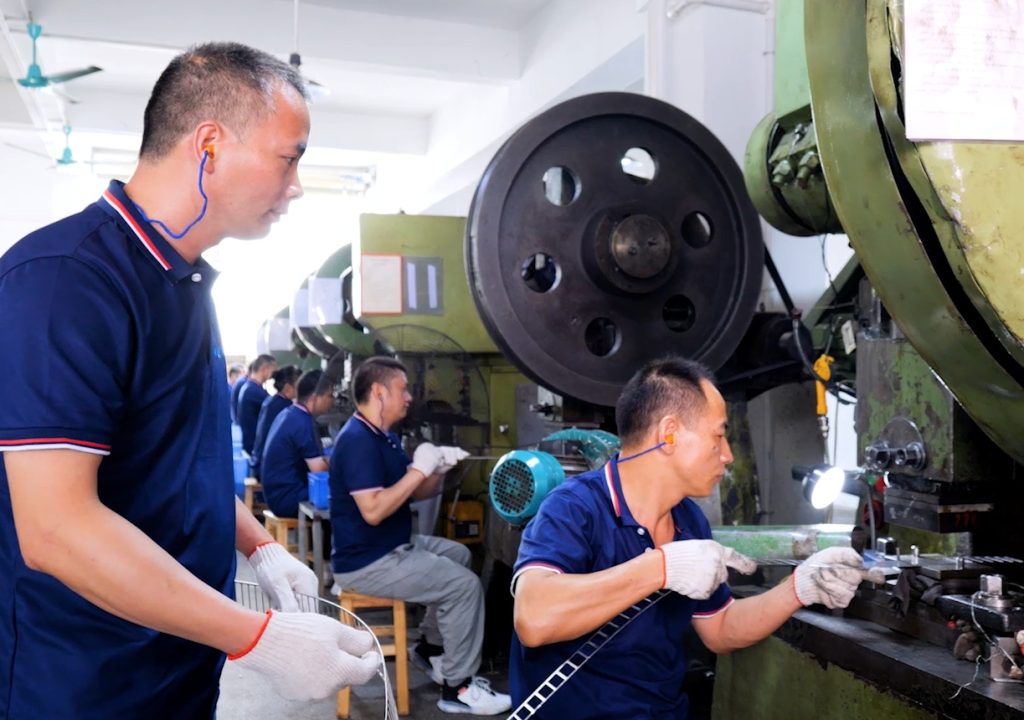
Why Custom Hinges Matter in Industrial Applications
Standard hinges can work well in many general applications, but industrial equipment often needs more than standard catalog dimensions. A custom hinge may be necessary when the project has specific requirements for door weight, mounting space, opening angle, environmental resistance, adjustment range, or special movement behavior.
- Equipment structures vary: Cabinet doors, machine covers, instrument housings, access panels, and enclosure doors often require different hinge geometry.
- Load and cycle demands differ: A hinge for a lightweight electronics panel is very different from one used on a heavy equipment door or outdoor enclosure.
- Environment affects the design: Humid, corrosive, medical, outdoor, and food-related settings may require different materials and finishes.
- Installation constraints matter: Hole patterns, weld-on requirements, flush integration, and limited space often make off-the-shelf hinges unsuitable.
Where corrosion resistance is a core concern, many projects begin by comparing material direction through our stainless steel hinge options before finalizing the custom structure.
What a Custom Hinge Manufacturer Should Actually Provide
A real custom hinge manufacturer should offer more than a catalog and a quotation sheet. Industrial buyers usually need support with structure matching, material selection, finish choice, dimensional adaptation, sample validation, and production consistency. In other words, the supplier should be able to support both engineering discussion and manufacturing execution.
- Requirement translation: Convert load, motion, and installation requirements into hinge structure.
- Material and finish guidance: Recommend suitable alloys and surface treatments based on service environment.
- Structure matching: Adapt the hinge to panel thickness, opening path, and mounting constraints.
- Prototype or sample support: Help buyers verify fit, movement, and basic function before scale-up.
- Production consistency: Manufacture the approved hinge design repeatedly with stable quality.
Customization Capabilities
One of the most important capabilities of a custom hinge manufacturer is the ability to convert project requirements into a hinge specification that fits both the product structure and the operating environment. Customization should not be limited to shape alone. It should also include performance, mounting logic, finish, and long-term reliability.
- Material options: Stainless steel, aluminum alloy, alloy steel, zinc alloy, and other application-specific materials.
- Opening angle customization: Standard, limited-angle, wide-opening, or application-specific motion requirements.
- Load-oriented design: Custom solutions for light, medium, or higher-load equipment doors and covers.
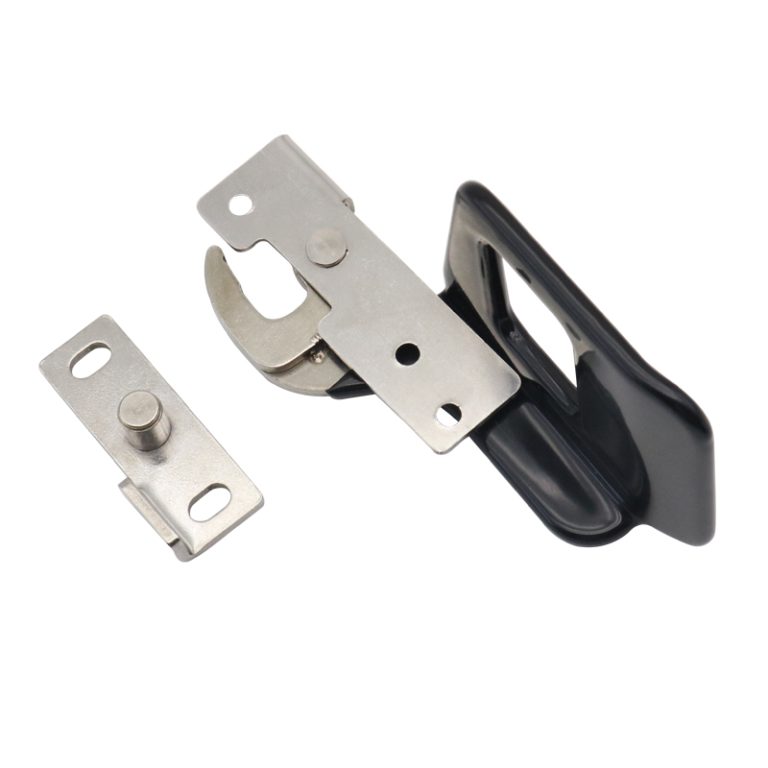
- Mounting style: Weld-on, bolt-on, flush-mount, concealed, lift-off, or special interface structures.
- Finish options: Brushed, polished, plated, anodized, coated, or low-friction surface treatments.
In practice, this means a qualified manufacturer should be able to adjust hinge size, leaf thickness, hole pattern, material grade, finish, and movement characteristics according to the project instead of forcing the buyer to redesign the equipment around a standard hinge.
What Can Be Customized in Mechanical Equipment Hinges
Many buyers initially focus only on dimensions, but in industrial equipment the more important question is which performance variables can be tuned to the real application. A good supplier should be able to discuss these variables clearly during the early engineering stage.
- Load capacity: Matched to door weight, center of gravity, use frequency, and expected life.
- Size and thickness: Adapted to panel dimensions and available installation space.
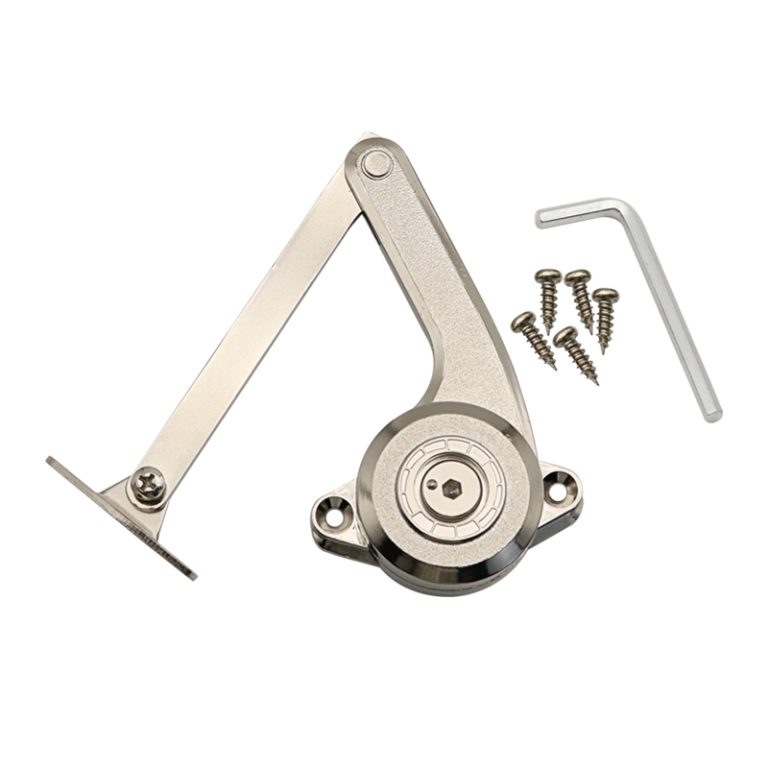
- Opening behavior: Free-swing, limited angle, hold-open, removable, or controlled-movement designs.
- Mounting compatibility: Hole spacing, weld pads, bolt fixing, countersunk features, or structure-specific interfaces.
- Environmental performance: Corrosion resistance, humidity tolerance, and finish selection for real operating conditions.
If the project involves heavier cabinet doors, outdoor equipment housings, or structural access panels, it also helps to compare the requirement against our heavy-duty hinge range to confirm whether the custom solution needs a more load-oriented structure.
Quality Materials and Engineering for Long-Term Reliability
Material choice plays a central role in hinge durability, structural performance, and corrosion resistance. A custom hinge manufacturer should not only offer multiple material options, but also explain when and why each option is suitable.
- Stainless steel: Preferred in humid, outdoor, washdown, and corrosion-sensitive applications.
- Aluminum alloy: Useful where lighter weight and good appearance are priorities.
- Alloy steel: Suitable for higher structural strength where protective finishing is acceptable.
- Specialty materials: Used in selected high-performance or application-specific conditions.
Material alone is not enough. Fit quality, pin design, manufacturing accuracy, and process control all influence whether the hinge operates smoothly and lasts under repeated use. A capable manufacturer should be able to produce hinges with consistent tolerances and repeatable structural quality rather than relying only on general catalog claims.
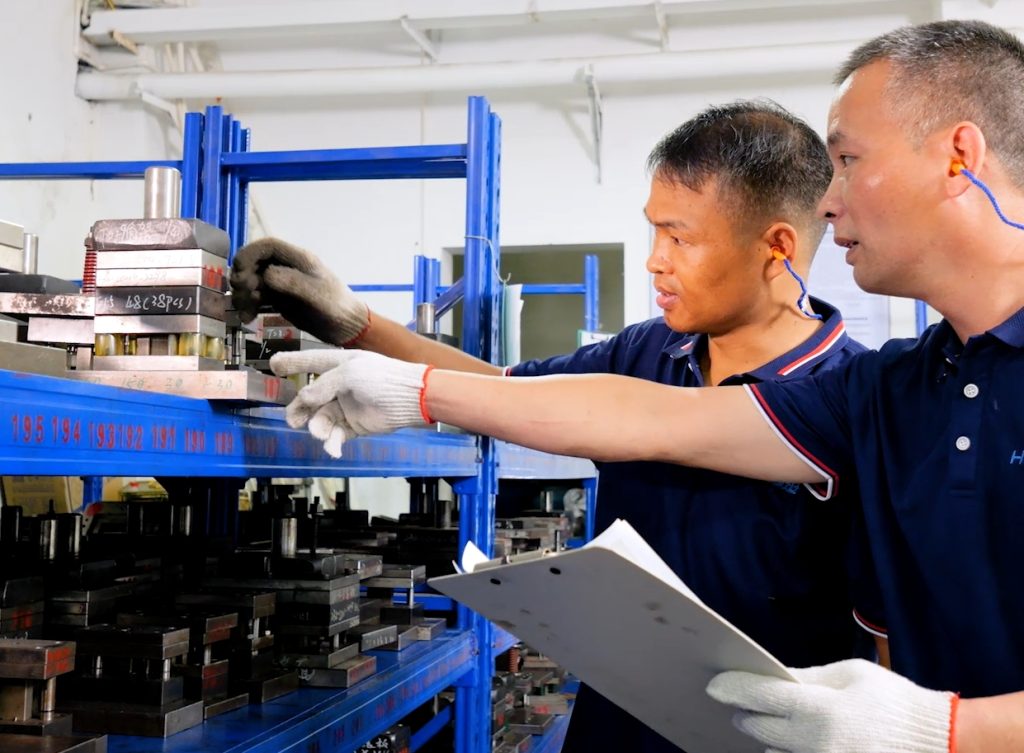
Surface Finish and Durability Options
Surface treatment is a major part of custom hinge performance, especially in equipment that operates outdoors, in humid workshops, or in environments with contamination, cleaning chemicals, or friction wear.
- Nickel or chrome plating: Improves appearance and basic anti-rust performance in suitable environments.
- Anodizing: Common on aluminum hinges where surface hardness and corrosion behavior must be improved.
- PTFE or low-friction coatings: Useful in selected applications where lower friction and smoother movement are required.
- Brushed or polished stainless finishes: Chosen where visual quality, cleanability, or corrosion resistance matter.
A serious custom hinge supplier should be able to recommend finish options based on environment, contact conditions, service life goals, and the actual appearance requirements of the project.
Installation Support and Structural Compatibility
In industrial projects, the hinge is only one part of the installation system. The manufacturer should also understand how the hinge interfaces with the cabinet structure, panel thickness, mounting method, and production workflow. This becomes especially important when the hinge is customized for an existing machine or enclosure platform.
- Welded installation: Suitable where higher structural rigidity is required.
- Bolt fixing: Easier to maintain and replace, but depends on accurate hole planning.
- Hole pattern customization: Helps avoid installation mismatch and rework.
- Structure matching support: Important when the cabinet geometry or access path limits standard hinge choices.
Where fast service access is part of the design requirement, buyers may also compare quick-access solutions in our removable hinge category to decide whether the application needs fixed mounting or faster panel removal.
How to Evaluate a Custom Hinge Manufacturer
Many buyers know they need a custom hinge, but are less certain about how to evaluate the supplier. The right manufacturer should provide more than product photos and a quotation. They should demonstrate that they understand the engineering and production requirements behind the hinge.
- Can they discuss materials clearly? A good supplier should explain which materials fit the real environment and why.
- Can they match load and structure? They should be able to discuss weight, door size, mounting conditions, and expected use cycles.
- Can they support finish selection? Surface treatment capability is part of hinge customization, not an afterthought.
- Can they provide compatibility support? They should understand installation methods, hole patterns, and structure constraints.
- Can they support validation? Sample evaluation and pre-production confirmation matter in custom projects.
This evaluation logic is especially important when sourcing hinges for industrial equipment, medical devices, automated systems, and outdoor access panels, where a poorly matched hinge can cause repeated field failures or expensive redesigns.
Supplier Qualification and Sample Validation
For B2B buyers, supplier credibility is not only a branding issue. It directly affects whether the project moves smoothly from drawing to sample to mass production.
- Quality system: Buyers often prefer suppliers operating under recognized quality processes. You can review our ISO 9001 certification reference here.
- Test information: Material and performance documentation helps reduce purchasing risk.
- Sample verification: Small-batch trial orders help confirm fit, movement, and structural suitability before scale-up.
- Production capability: For custom hinges, buyers should confirm that the supplier can actually produce the required structure consistently.
In real procurement practice, sample validation is often more useful than relying only on general descriptions. A short pilot run can reveal whether the hinge fits the cabinet, aligns correctly, and performs as expected under actual installation conditions.
Custom Hinge Development Process
A professional custom hinge project usually follows a clear development path. This helps reduce engineering misunderstanding and improves the efficiency of sample verification and later production.
- Requirement review: Confirm application type, load, opening angle, environment, and mounting structure.
- Drawing or structure confirmation: Review dimensions, interface logic, and available installation space.
- Material and finish recommendation: Match the hinge to corrosion, appearance, and wear requirements.
- Prototype or sample stage: Produce a testable hinge for fit and function validation.
- Verification and adjustment: Refine the structure if needed based on actual installation feedback.
- Mass production: Move to stable production once the hinge design is confirmed.
Industries We Support
Custom hinge requests often come from applications where standard products do not fully meet structural or motion requirements. Common industries include:
- Industrial enclosures and cabinets
- Electrical and control equipment
- Automation and machinery systems
- Medical devices and instrument housings
- Transport and specialty vehicles
- Communication and power equipment
For projects involving controlled movement or position-holding behavior, buyers may also explore our torque hinge solutions when comparing custom motion-control structures.
Why Work With HTAN as Your Custom Hinge Manufacturer
A strong custom hinge supplier should combine practical engineering communication with consistent manufacturing execution. At HTAN, we work with customers on hinge projects involving industrial enclosures, automation equipment, special vehicles, medical devices, and other demanding cabinet-access applications.
- Application-oriented communication: Focus on real use conditions rather than generic part descriptions.
- Material and finish support: Help match hinge construction to environment and duty.
- Prototype cooperation: Support sample confirmation before scale-up.
- Production consistency: Aim for stable repeatability after the structure is approved.
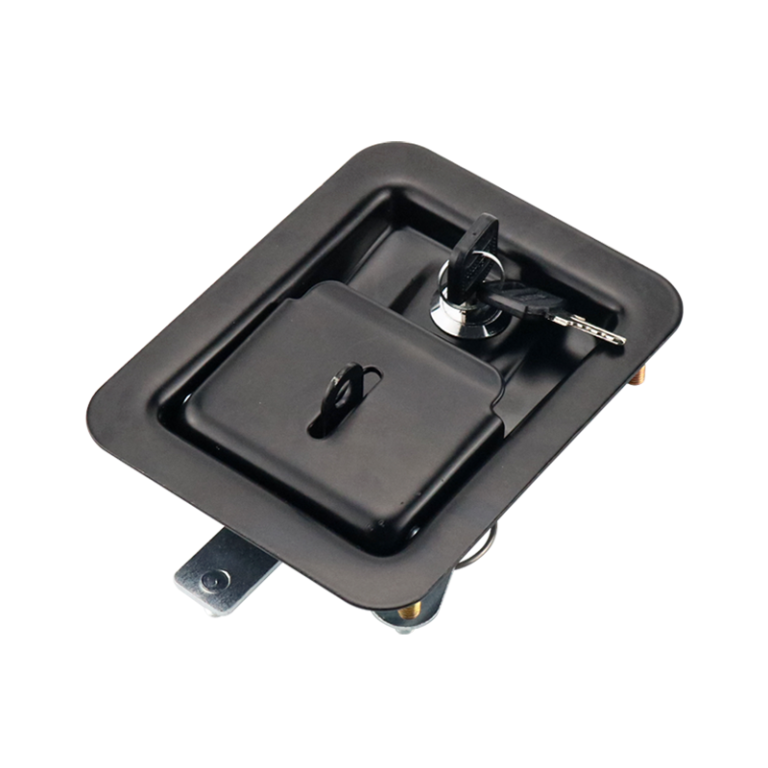
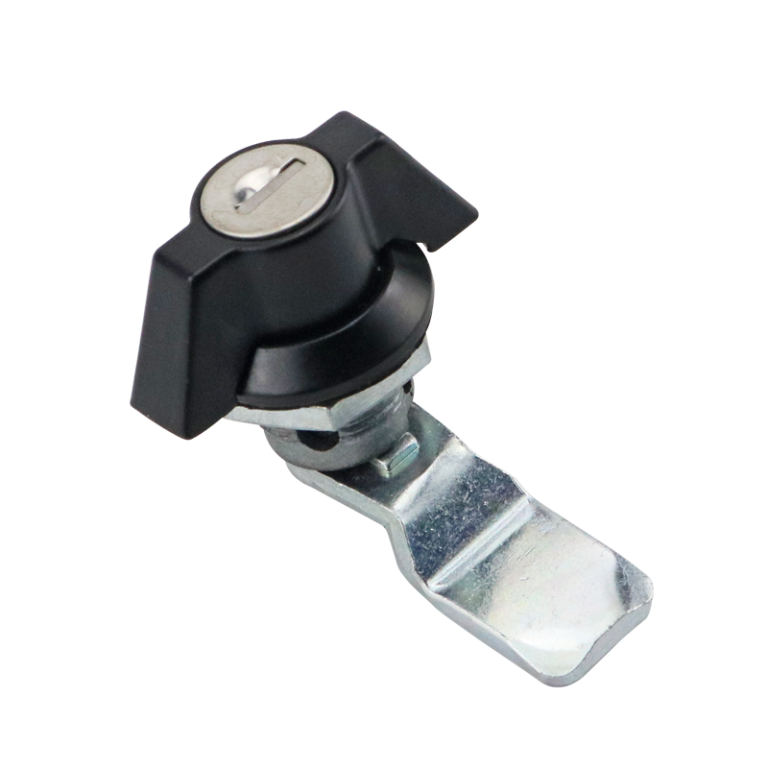
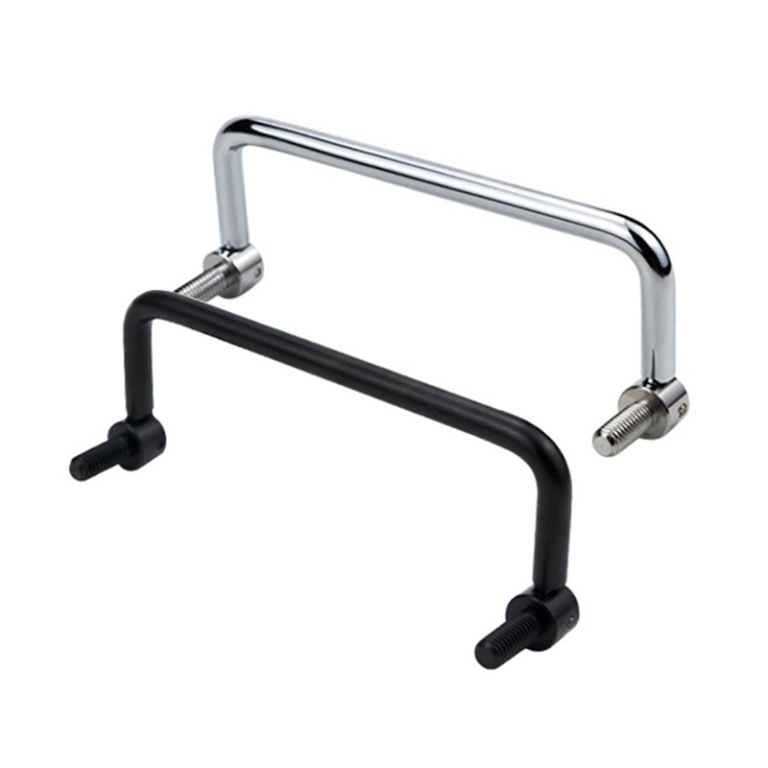
- Industrial hardware background: Work across hinges, handles, latches, and related enclosure hardware.
Your Ideal Hinge Solution
A strong custom hinge solution comes from matching performance requirements, production capability, and installation reality—not from choosing the cheapest standard hinge available. When customization is handled correctly, the result is a hinge that fits the project better, performs more consistently, and reduces long-term service problems.
HTAN, founded in 2015, specializes in the research, development, and manufacturing of industrial housing components. Our product system includes hinges, handles, latches, and related cabinet door hardware used across communication equipment, power systems, rail transit, industrial automation, medical devices, specialized vehicles, and a wide range of equipment enclosures.
Contact HTAN to discuss your custom hinge project, sample requirements, and technical specifications.


-768x768-1.png)