HTAN is one of the leading manufacturers of industrial hinges, handles and latches in China.


Let’s talk about Adjustable vs. Spring Loaded Draw Latches. I’ll help you get the key differences, see where each one works best, and figure out how to pick the perfect latch for your job. This applies whether you’re locking up a toolbox, putting together some furniture, or working on an industrial cabinet. Table of Content
Defining Draw Latches: Mechanisms and Core Functions
what exactly are draw latches?
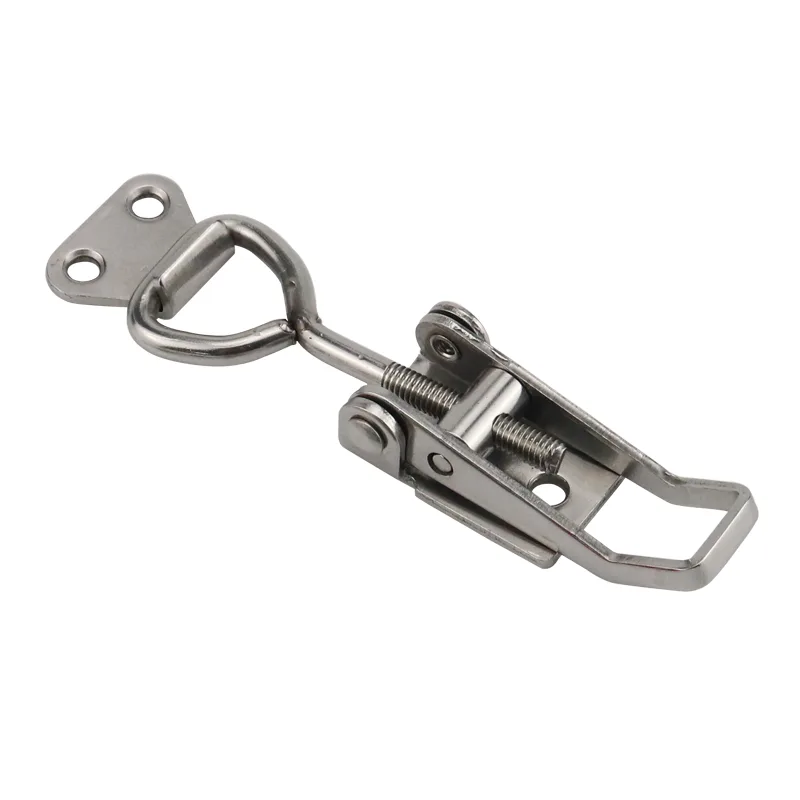
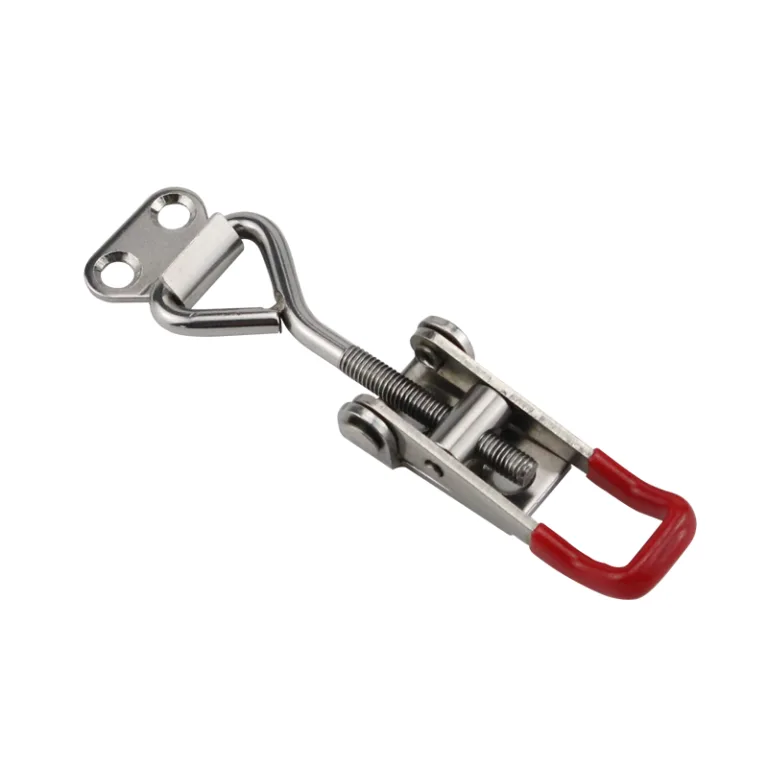
Primary Function: Draw latches are fastening devices used to pull and hold two surfaces together, creating a tight seal or secure closure.They consist of a keeper (striker) mounted on one surface and a latch body on the other, which engages the keeper to apply clamping force.
Users often search for how does a draw latch work or draw latch mechanism explanation to understand this basic principle before comparing types.Now, there are two main kinds: Adjustable and Spring-Loaded.
Here’s the big difference.Adjustable draw latches let you set the tension by hand, usually with a screw or a cam.This means you can control exactly how much clamping force you get.On the other hand, spring-loaded draw latches have a spring inside.
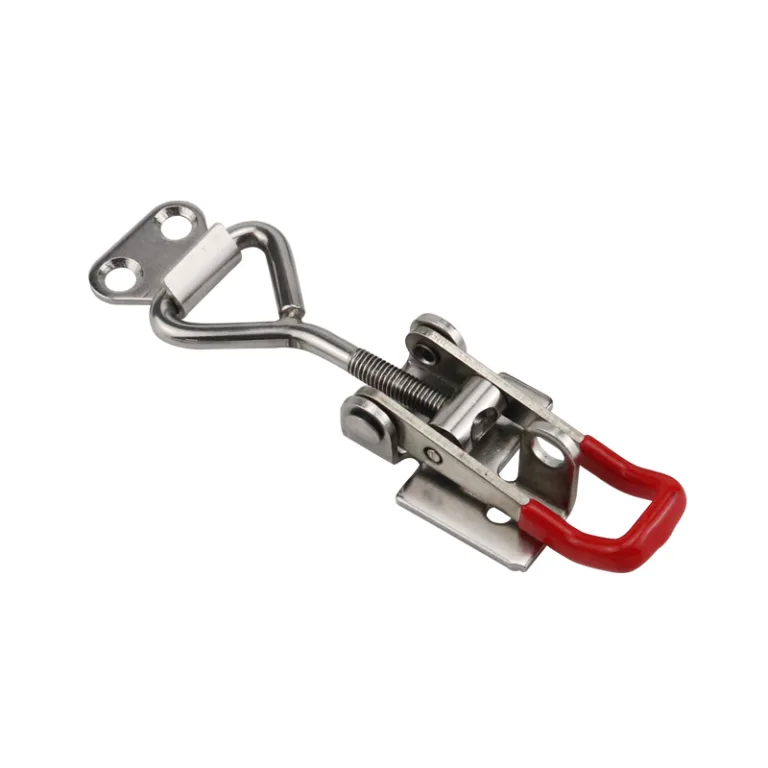
This spring automatically puts on a set amount of tension and keeps it steady.So when folks ask what is an adjustable draw latch or want to know the spring latch vs manual latch difference, they’re really trying to understand these core ways they operate.
Mechanism Deep Dive: How Each Latch Operates
Adjustable Latch Mechanics
Manual Control: The user adjusts the tension by turning a screw or lever, which moves the pawl or hook to increase or decrease the draw distance. This allows for compensation in panel misalignment or material compression. For instance, a woodworker might ask, how to adjust draw latch tension for uneven cabinet doors, seeking this precise control for custom fits.
Spring-Loaded Latch Mechanics
Automated Tension: A compression spring inside the latch body automatically takes up slack and maintains pressure, even if the sealed surfaces settle or vibrate. This is crucial in applications like vibration-proof latch for truck toolboxes or self-adjusting latch for RV compartments, where consistent sealing is needed without manual intervention.
| Feature | Adjustable Draw Latch | Spring-Loaded Draw Latch |
|---|---|---|
| Primary Mechanism | Manual screw/cam adjustment | Internal compression spring |
| Tension Control | User-defined, variable | Pre-set, consistent |
| Typical Force Range | 50-500 N (adjustable) | 100-300 N (fixed by spring) |
| Compensation for Movement | Manual re-adjustment needed | Automatic, within spring travel |
| Common Actuation | Lever, knob, or screwdriver | Push-button or lever release |
Comparative Analysis: Strengths, Weaknesses, and Alternatives
Side-by-Side Performance Evaluation
Adjustable Advantages: They excel in applications requiring precise fit and variable pressure, such as custom enclosures with uneven gaps or doors needing exact sealing force. A common query is best latch for adjustable pressure on inspection panels. Their main limitation is the need for manual re-tightening if materials compress over time.
Spring-Loaded Advantages: These latches provide consistent, maintenance-free tension ideal for high-vibration environments or frequent access points. Users searching for latches that stay tight on bumpy roads or self-compensating latch for plastic enclosures are often directed to spring-loaded options. Their drawback is limited adjustability once installed.
When to Consider Other Fasteners
What about other options?For closures that aren’t super critical, simpler stuff like toggle latches or slam latches might do the job and cost less.But for high-security or structural jobs, you’re better off with multi-point locking systems or cam locks.
Questions like draw latch vs toggle latch for lightweight doors or when should I use a cam lock instead of a draw latch?help folks look beyond just comparing adjustable and spring-loaded.
| What to look for when choosing. | Go for an adjustable latch when… | Pick a spring-loaded one if… |
|---|---|---|
| First, think about how your panels line up. | If the surfaces are uneven or the gaps aren’t consistent, that’s a job for an adjustable latch. | But if the surfaces are nice and parallel, a spring-loaded latch will work great. |
| consider the vibration. | For a stable spot with little shaking, adjustable latches are fine. | If it’s going on a vehicle or machinery with lots of vibration, you’ll want a spring-loaded one. |
| How often will you be opening it? | For something you don’t open much, an adjustable set-and-forget type is perfect. | If you’re opening and closing it all the time, spring-loaded is the way to go for ease. |
| Think about who’s using it. | If the user knows how to tweak the tension, adjustable is okay. | For a simple, no-fuss operation, spring-loaded latches are foolproof. |
| Finally, consider if your materials will squash down over time. | If the materials won’t compress, adjustable latches hold up. | If you’ve got gaskets or materials that might settle, spring-loaded latches keep the pressure on. |
Application Scenarios and User Profiles
Industrial and Commercial Uses
Heavy-Duty Applications: Adjustable latches are preferred for electrical enclosures where precise sealing against dust and moisture is critical, addressing queries like IP-rated latch for outdoor electrical boxes.
Spring-loaded versions dominate in transportation, securing truck toolboxes and trailer doors that experience constant vibration—hence searches for heavy-duty spring latch for semi-truck compartments.
DIY and Consumer Applications
Home and Workshop: Woodworkers often choose adjustable latches for custom furniture with imperfect alignment, asking how to install draw latch on handmade chest. Spring-loaded latches are popular for ATV storage boxes and camping gear, where users seek easy-open latch for waterproof ammo cans or secure latch for rooftop cargo boxes.
Specialized Niche Applications
Some needs are unique.On boats, you need latches that won’t rust.Corrosion-resistant spring latches with stainless steel springs fit the bill, answering searches for a saltwater-proof latch for boat hatches.
For delicate lab equipment, adjustable latches are key.Their fine-thread screws let you make tiny adjustments.This matches what people look for with terms like precision latch for laboratory instrument cases.
Common Risks, Limitations, and Installation Mistakes
Performance and Safety Risks
Adjustable Latch Risks: Overtightening can damage panels or strip threads, while undertightening fails to seal properly. Users often ask why does my draw latch keep coming loose or how to prevent stripping latch adjustment screw, highlighting these issues. Material fatigue at adjustment points can also cause sudden failure.
Spring-Loaded Latch Risks: Spring fatigue over time reduces tension, leading to searches like spring latch lost tension fix or how often to replace spring in draw latch. In extreme temperatures, spring performance varies, prompting concerns about latch failure in freezing temperatures or high-temp spring for engine compartments.
Installation and Maintenance Errors
A big common mistake?Not lining up the keeper and the latch right.That makes them stick or not catch properly.No surprise, draw latch alignment problems troubleshooting is a popular search.Using screws or bolts that are too small, or putting the latch on flimsy material, is asking for trouble.
The whole thing can just pull right out.For upkeep, people often ask how to lubricate the draw latch mechanism and cleaning corrosion from marine latches.
| Type of Risk | For Adjustable Latches | For Spring-Loaded Latches | How to Fix or Avoid It |
|---|---|---|---|
| Losing Tension | The manual setting can slowly slip out of place. | Spring fatigue over time | Check them regularly. You can also use thread-locker on screws or put guards over springs. |
| Rust and Corrosion | The parts you adjust can get stuck and won’t move. | Springs can rust, which makes them weaker. | Pick latches made from stainless steel or with a protective coating. And give them a good clean now and then. |
| Things Not Lining Up | If you adjust it wrong, it just makes the fit even worse. | They get jammed up when you try to use them. | Mount everything very carefully. Using keeper plates that you can adjust helps a lot. |
| Breaking from Too Much Force | You’ll strip the threads or bend parts of the latch. | The spring might collapse, or the housing could crack. | Choose a latch rated for the job, and don’t crank it down tighter than it needs to be. |
Technical Specifications and Performance Data
Material and Construction Standards
Build Quality: High-quality latches use zinc-plated steel or 300-series stainless steel for corrosion resistance, with heat-treated springs in spring-loaded models. Industry standards like ISO 9001 or MIL-SPEC certifications indicate reliability. Users comparing durability might search stainless steel vs zinc draw latch longevity or MIL-SPEC latch for military applications.
Load Ratings and Environmental Testing
Performance Metrics: Adjustable latches typically offer 200-1000N holding force, while spring-loaded versions provide 100-500N. Testing includes cycle life (often 10,000 operations), temperature range (-40°C to 120°C), and IP ratings for dust/water resistance. Practical questions include what load rating for generator enclosure latch or IP65 latch meaning for outdoor use.
Case Study: Field Performance Analysis
Real-World Data: A 2022 study of 500 industrial enclosures found adjustable latches required re-tightening every 6-12 months in static applications but maintained better seals.Spring-loaded latches on service vehicles maintained consistent tension for 2-3 years before spring replacement.
This data informs queries like draw latch maintenance frequency study or spring latch lifespan in fleet vehicles.
Selection Guide and Implementation Framework
Step-by-Step Decision Process
Assessment Phase: First, evaluate your specific requirements: What level of sealing is needed? How often will the latch be operated? What environmental conditions exist? Document answers to questions like how to measure for draw latch installation or calculating required latch force.
Selection Phase: Match requirements to latch characteristics using the decision matrix. Consider secondary factors like security needs (some latches accept padlocks) or aesthetic preferences. Research specific models with queries such as best adjustable latch for uneven surfaces or top-rated spring latch for vibration.
Installation Best Practices
Do it properly.Mark your spots carefully and drill the holes straight.Use the right screws or bolts for whatever you’re attaching it to.For adjustable latches, start by setting the tension about three-quarters of the way up.
You can adjust it more later.For spring-loaded ones, make sure they open and close smoothly all the way.People often ask: How tight should I screw it in?and How can I test if it catches right before I finish?
Keep them working well with a little maintenance. Check them regularly – maybe every few months if used a lot, or just once a year for lighter duty. Look for loose screws, any rust, and if the latch is getting loose. For adjustable types, keep the little wrench or tool handy. Doing this helps prevent problems and makes your latches last way longer.
All set to choose? Grab our handy checklist and worksheet. It’ll help you compare adjustable vs. spring loaded draw latches side-by-side for your job, so you get the perfect fit.
FAQ About Adjustable vs. Spring Loaded Draw Latches
Can I convert an adjustable draw latch to spring-loaded?
No, the mechanisms are fundamentally different. Adjustable latches use mechanical threads or cams for tension control, while spring-loaded versions incorporate internal springs. Conversion would require complete mechanism replacement. For applications needing both features, consider hybrid latches with both adjustment and spring assistance.
Which latch type is better for outdoor storage boxes that experience temperature changes?
Spring-loaded latches generally perform better in temperature-varying environments because the spring automatically compensates for material expansion and contraction. However, choose models with temperature-stable springs (often marked all-season or wide-temperature). Adjustable latches may require seasonal re-tightening as materials expand and contract.
How do I know if my draw latch is overtightened?
Signs include difficulty operating the latch, visible deformation of mounting surfaces, stripped adjustment threads, or excessive force required to close. A properly tightened latch should seal completely without requiring excessive force to engage. For adjustable types, tension should allow about 1-2mm of panel compression, not complete crushing of gaskets or materials.
Are spring-loaded latches more expensive than adjustable ones?
Typically yes, by 20-50%, due to the additional spring mechanism and more complex manufacturing. However, consider total cost of ownership: spring-loaded latches often require less maintenance and adjustment over time. For high-use applications, their longer service life may justify the higher initial cost.
What’s the main reason a spring-loaded latch would fail prematurely?
The most common cause is spring fatigue from exceeding the latch’s rated load capacity or operating beyond its designed cycle life. Corrosion of the spring (especially in saltwater environments) and improper installation causing binding also lead to early failure. Regular inspection and choosing the correct load rating significantly extend service life.
Can I use either latch type for securing children’s safety gates or cabinets?
Neither is ideal for child safety applications. Both can be operated by determined children, and adjustable latches pose pinching hazards. Instead, use purpose-designed child safety latches that require dual-action release or specific dexterity. Draw latches are better suited for tool storage, equipment enclosures, and cargo security rather than childproofing.
How do vibration levels affect latch selection for vehicle applications?
In places that shake a lot—think trucks, trailers, or heavy machinery—spring-loaded latches are usually the winner. They keep a steady grip even when everything’s vibrating. Adjustable latches in these situations often just work themselves loose after a while. For really bad vibration, search for latches made for vehicles. They’ll have springs and locks built to handle all that shaking.