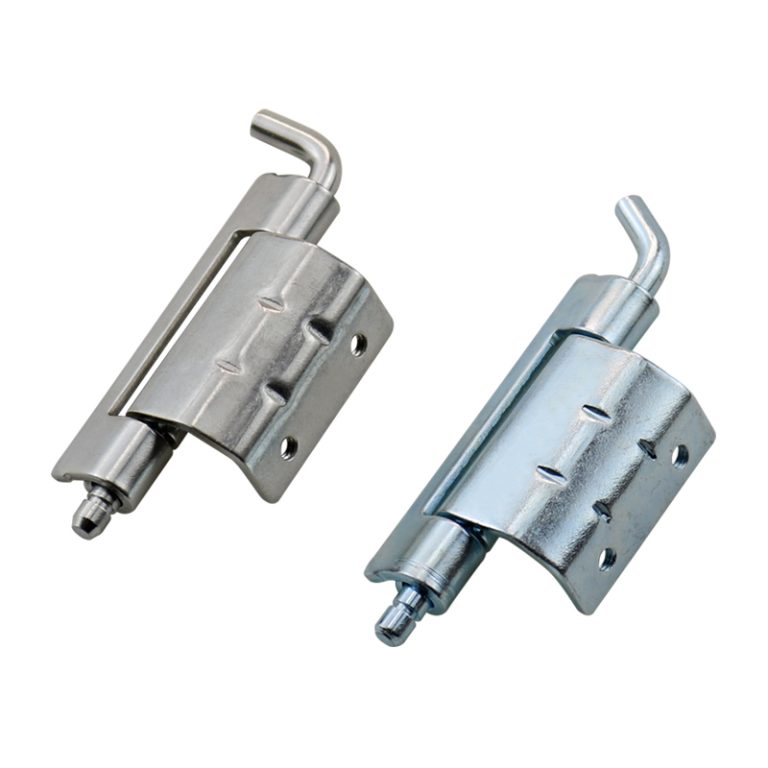
HTAN is one of the leading manufacturers of industrial hinges, handles and latches in China.


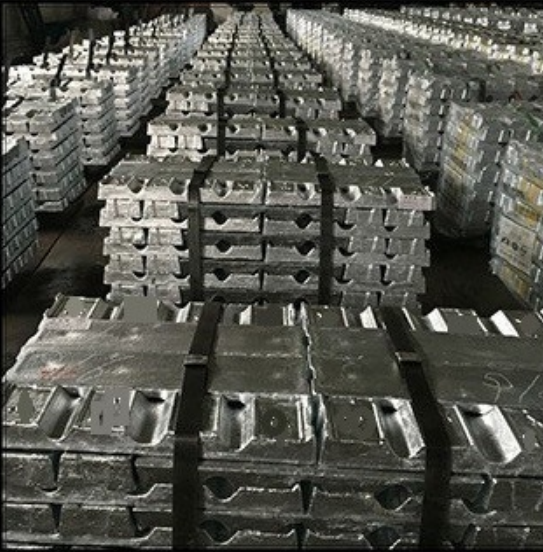
Zinc alloy is a group of zinc-based engineering materials commonly used in die-cast industrial hardware because of their good castability, dimensional stability, surface finish compatibility, and cost efficiency. In practical product development, zinc alloy is widely used for hinges, handles, and latches where complex shapes, consistent mass production, and decorative or protective surface treatments are required.
Compared with many other hardware materials, zinc alloy offers a low melting point, efficient die casting performance, good machinability for secondary operations, and strong compatibility with plating and coating processes. However, the right grade, surface treatment, and application environment must still be selected carefully. This guide explains zinc alloy composition, grades, properties, surface treatments, and how zinc alloy is used in industrial hardware products.
What Is Zinc Alloy?
Zinc alloy is a metal material based primarily on zinc and alloyed with elements such as aluminum, copper, and magnesium to improve strength, castability, wear resistance, and overall performance. In industrial manufacturing, zinc alloy is most often associated with die-cast parts that require precise dimensions, relatively thin wall sections, and efficient high-volume production.
For industrial hardware manufacturers, zinc alloy is especially useful when a part needs to combine structural function with appearance quality. That is why it is commonly seen in decorative and functional hardware such as enclosure fittings, pull handles, hinge bodies, latch components, and lock accessories.
Why Zinc Alloy Is Used in Industrial Hardware
- Good die casting performance: Zinc alloy flows well in molds and supports complex part geometry.
- Dimensional consistency: It is suitable for repeat production of hardware parts with tight tolerance requirements.
- Surface finish flexibility: It works well with chrome plating, nickel plating, powder coating, and other decorative or protective finishes.
- Balanced cost and performance: In many hardware applications, zinc alloy offers a practical middle ground between cost, strength, and production efficiency.
- Suitable for medium-load hardware: It is often used where the part needs more rigidity than plastic but does not require the full structural margin of stainless steel.
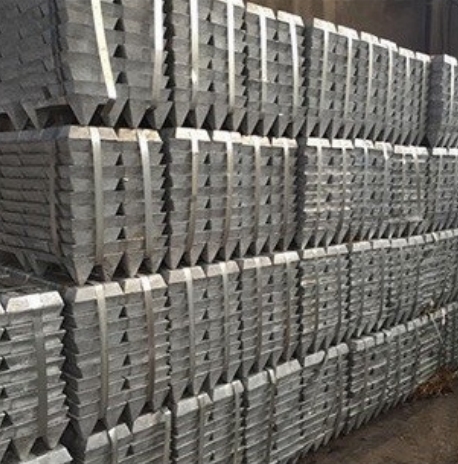
Composition and Classification of Zinc Alloys
Core Elements and Their Role
| Element | Typical Role in the Alloy |
|---|---|
| Aluminum (Al) | Improves strength, hardness, fluidity, and casting performance. |
| Copper (Cu) | Increases strength and wear resistance, but excessive copper can reduce ductility. |
| Magnesium (Mg) | Used in small amounts for grain refinement and overall alloy stability. |
| Nickel (Ni) | Used in some grades to improve corrosion behavior and purity-related performance. |
| Trace elements | Help control impurities and influence castability or long-term stability. |
Common Zinc Alloy Grades
In hardware manufacturing, the most common zinc alloy families are the Zamak series and the ZA series. The correct grade should be selected based on casting complexity, strength requirement, finish requirement, and service environment.
| Series | Representative Grade | Main Characteristic | Typical Hardware Use |
|---|---|---|---|
| Zamak | Zamak 3 | Balanced overall performance, widely used, stable casting behavior | General hardware parts, handles, hinge bodies, decorative fittings |
| Zamak | Zamak 5 | Higher strength and hardness than Zamak 3 | Hardware requiring slightly higher mechanical performance |
| Zamak | Zamak 2 | Higher wear resistance and strength, lower ductility | More demanding wear parts and structural fittings |
| Zamak | Zamak 7 | Higher purity and improved corrosion-related behavior | Decorative hardware and quality-sensitive castings |
| ZA Series | ZA-8 | Good toughness and higher strength potential | Heavier-duty cast components |
| ZA Series | ZA-12 | Improved mechanical properties for stronger castings | Higher-load metal components |
| ZA Series | ZA-27 | Very high strength, but more demanding to process | Specialized high-strength parts |
Physical and Mechanical Properties of Zinc Alloy
Zinc alloy is widely selected because it provides a useful balance of processability, surface quality, and mechanical performance for die-cast hardware. Exact values vary by grade, process, and part geometry, but the following characteristics are typical in industrial design discussions.
Mechanical Properties
- Tensile strength typically falls in the range suitable for medium-duty hardware applications.
- Hardness is generally sufficient for enclosure fittings, hardware bodies, and handle components.
- Elongation and ductility depend on alloy family and copper level, which affects impact tolerance and cracking risk.
Thermal and Process Properties
- Low melting point supports efficient die casting and shorter production cycles compared with some higher-temperature metals.
- Good fluidity helps fill molds with complex shape details.
- Thermal expansion must still be considered when designing assembled hardware systems with tight fit requirements.
Magnetic and Electrical Characteristics
- Zinc alloy is non-magnetic, which can be useful in some equipment and electronics-related hardware applications.
- Its electrical conductivity is lower than copper but still relevant in some enclosure and connector-related parts.
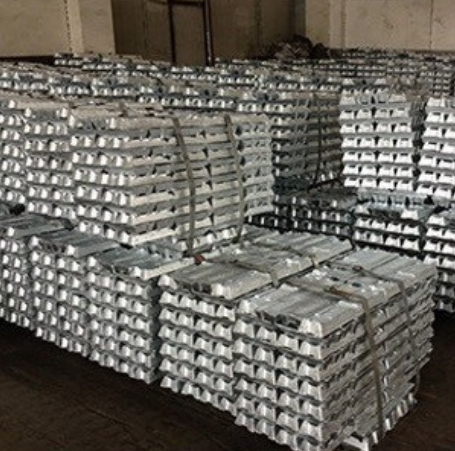
Zinc Alloy Processing Methods
Die Casting
Die casting is the most common process for zinc alloy hardware. It allows manufacturers to produce precise, repeatable parts with complex geometry and good surface finish. This is one of the main reasons zinc alloy is so common in handles, hinges, latch parts, and enclosure accessories.
- Supports thin walls and detailed geometry.
- Suitable for high-volume hardware production.
- Reduces the need for extensive machining in many parts.
Machining and Secondary Operations
Zinc alloy parts may still require machining, tapping, trimming, polishing, or assembly after casting. Secondary processing should be considered during design to ensure the final part meets tolerance, finish, and assembly requirements.
Design Limits in Processing
Although zinc alloy is easy to cast, it still has limitations. Designers should avoid extreme wall thickness variation, poorly supported thin features, or part geometry that creates avoidable shrinkage, porosity, or cracking risk.
Surface Treatment and Corrosion Performance
One of the biggest advantages of zinc alloy in hardware production is its compatibility with many surface finishing processes. In real applications, corrosion performance depends not only on the base alloy, but also on finish quality, finish thickness, service environment, and maintenance conditions.
Common Surface Treatments
| Surface Treatment | Main Benefit | Typical Use |
|---|---|---|
| Chrome plating | Decorative finish with strong visual appeal and added surface protection | Visible hardware, decorative handles, premium fittings |
| Nickel plating | Balanced appearance and corrosion resistance | General industrial and decorative hardware |
| Powder coating | Good surface coverage and color flexibility | Industrial hardware with finish customization needs |
| Electrophoretic coating | Uniform coating for protective applications | Hardware with moderate corrosion protection needs |
| Epoxy or protective coating systems | Additional environmental protection | Selected industrial or enclosure components |
How to Think About Corrosion Resistance
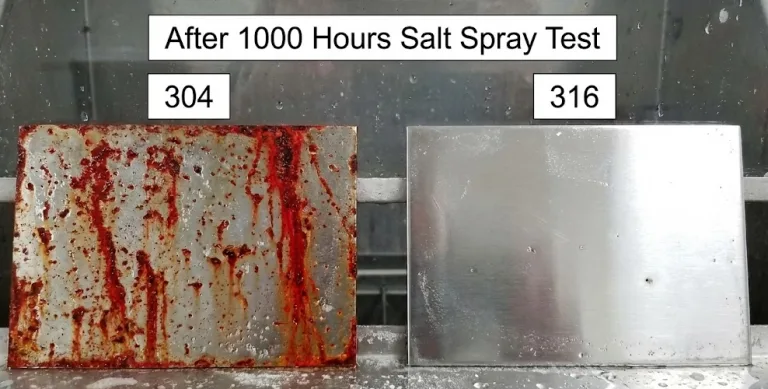
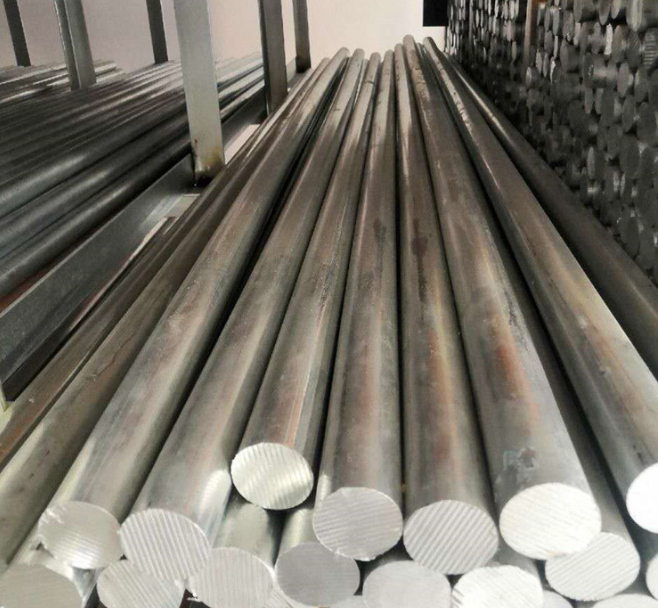
Zinc alloy is often suitable for indoor or moderately exposed hardware, especially when a good surface treatment is applied. However, for severe outdoor, marine, chemical, or washdown environments, stainless steel may still be the safer long-term choice. If you are comparing material strategies for hardware products, see our zinc alloy vs stainless steel hinges guide.
Zinc Alloy vs Other Common Hardware Materials
| Material | Main Advantage | Main Limitation | Typical Use in Hardware |
|---|---|---|---|
| Zinc Alloy | Excellent die casting efficiency and finish flexibility | Less suitable than stainless steel for severe corrosion conditions | Handles, hinge bodies, latch parts, decorative hardware |
| Stainless Steel | Higher corrosion resistance and stronger long-term reliability | Higher material and processing cost | Outdoor hinges, hygienic equipment, heavy-duty hardware |
| Aluminum Alloy | Lighter weight | Different strength and wear balance depending on alloy and design | Weight-sensitive fittings and equipment parts |
| Engineering Plastic | Low weight and cost | Lower structural performance and heat resistance | Light-duty covers and non-structural components |
Zinc alloy is often chosen when manufacturers need a cost-effective die-cast metal part with stable production quality and good finish options. Stainless steel is usually preferred when corrosion resistance and structural reliability are the first priority.
Design and Selection Guide for Zinc Alloy Parts
Structural Design Principles
- Use relatively uniform wall thickness to reduce shrinkage and distortion risk.
- Use appropriate radii to reduce stress concentration.
- Consider assembly loads, fastener loads, and real-use environment instead of part shape alone.
Cost and Performance Balance
For many industrial hardware products, Zamak 3 is a practical starting point because it balances casting stability, cost, and general mechanical performance. Zamak 5 or stronger alloy families may be preferred when the application demands more strength or wear resistance.
What to Check Before Final Material Selection
- Expected load and stress level
- Indoor or outdoor exposure
- Corrosion risk and finish requirement
- Appearance requirement
- Production quantity and tooling strategy
- Whether stainless steel or aluminum would be more suitable for the use environment
Typical Applications of Zinc Alloy in Industrial Hardware
Zinc alloy is used across many industries, but on this site the most relevant applications are hardware and enclosure-related products where die casting and finish flexibility are important.
Hinges
Zinc alloy is commonly used in certain hinge bodies and decorative hinge components where appearance, castability, and moderate structural load are important. For harsher environments, compare with stainless steel hinges.
Handles
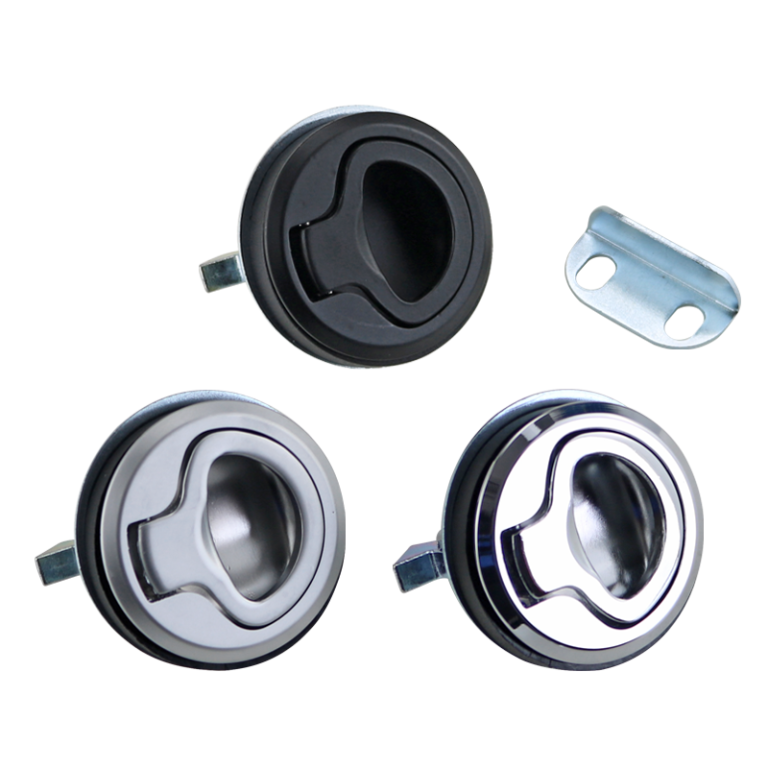
Zinc alloy is widely used in pull handles and enclosure handles because it supports complex shape design and multiple finish options. See our zinc alloy handles collection for typical product examples.
Latches and Locking Parts
Zinc alloy is also common in latch housings, lock accessories, and selected enclosure locking components where casting precision and visual finish are both important.
Decorative and Functional Fittings
Because of its finish flexibility, zinc alloy is often selected for hardware that needs both structural utility and surface appearance, including visible cabinet accessories, pull hardware, and equipment fittings.
How to Choose Zinc Alloy for Hinges, Handles, and Latches
- For decorative visible hardware: prioritize casting quality and surface treatment compatibility.
- For medium-load hardware: verify the alloy grade, wall thickness, and mounting design.
- For corrosive environments: assess whether finish protection is enough or whether stainless steel is the better option.
- For OEM production: review tooling cost, volume, finish requirement, and downstream machining needs together.
FAQ
Q: What is the most common zinc alloy grade for hardware?
A: Zamak 3 is one of the most common grades because it provides a practical balance of castability, cost, and general mechanical performance for hardware parts.
Q: Is zinc alloy good for hinges?
A: Zinc alloy can be suitable for certain hinge bodies and hardware fittings, especially in indoor or moderately exposed environments. For higher corrosion exposure or heavier-duty applications, stainless steel may be the safer choice.
Q: Is zinc alloy better than stainless steel?
A: Not universally. Zinc alloy is often better for die-cast efficiency, finish flexibility, and cost-sensitive hardware production. Stainless steel is usually better for higher corrosion resistance and more demanding structural service conditions.
Q: Can zinc alloy rust?
A: Zinc alloy does not behave exactly like carbon steel, but it can still corrode or degrade in harsh environments, especially if the protective finish is damaged or the application environment is severe.
Q: What surface treatments are commonly used on zinc alloy hardware?
A: Common treatments include chrome plating, nickel plating, powder coating, and electrophoretic coating, depending on appearance, corrosion protection, and cost requirements.
Conclusion
Zinc alloy is an important material in industrial hardware manufacturing because it combines efficient die casting, good finish compatibility, and practical mechanical performance for many medium-duty applications. It is especially valuable in the production of hinges, handles, latches, and enclosure fittings where consistent shape, repeatability, and surface appearance matter.
The correct zinc alloy grade should always be selected based on load, finish requirement, environment, and production method. When used appropriately, zinc alloy remains a highly practical material choice for modern industrial hardware design and manufacturing.