






Industrial hinges, handles and latches for OEM equipment.
- +86 13720060320


Difference between removable and fixed hinges
Hinges, as mechanical connecting parts, are divided into removable and fixed types, and each type is suited to a different cabinet door duty cycle, maintenance pattern, and load condition. Choosing the wrong hinge type can directly affect maintenance efficiency, long-term stability, sealing reliability, and overall lifecycle cost. In industrial cabinet systems, this is not only a hardware decision but also an access and serviceability decision.
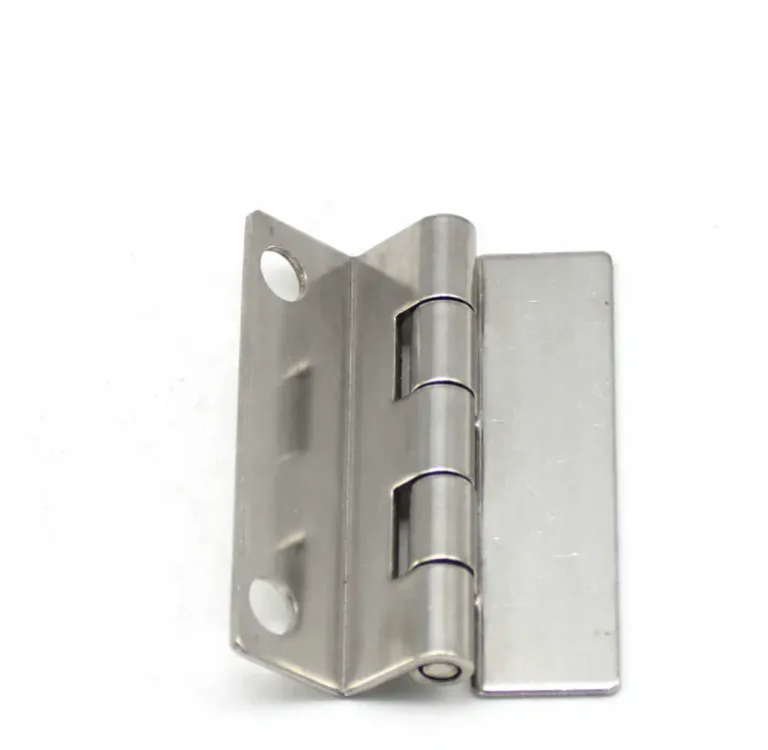
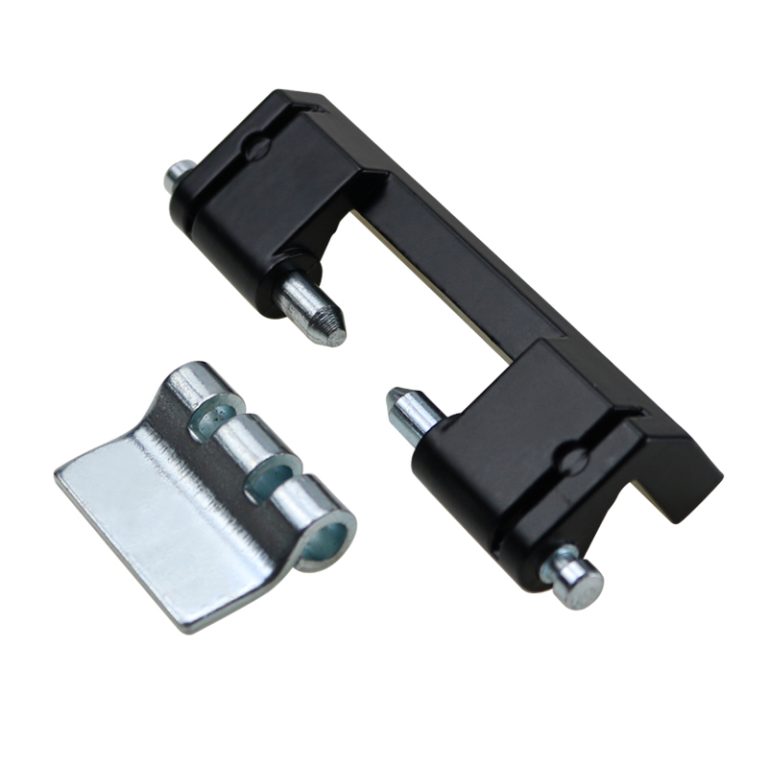
Removable hinges are designed for quick separation of the door from the frame, usually through a lift-off, clip, slide-on, or quick-release pin structure. They are ideal for equipment that requires frequent maintenance access, rapid panel replacement, or modular reconfiguration. In many engineering contexts, these are also described as detachable, take-apart, or lift-off hinges.
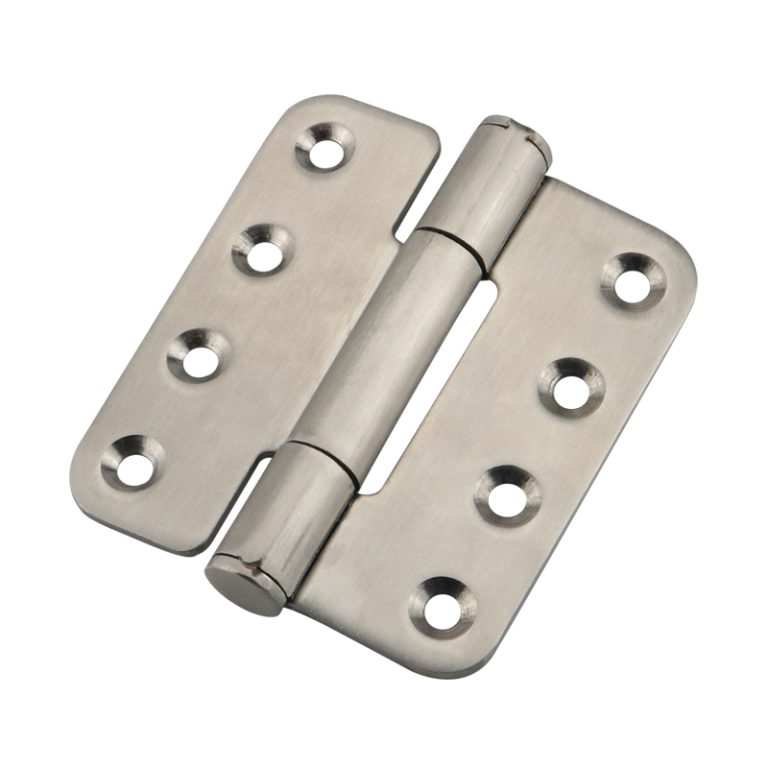
Fixed hinges are secured permanently by screws, rivets, or welding and are generally better suited to doors that prioritize continuous structural stability under load, vibration, or long-term outdoor exposure. If the project involves harsher structural demand, it is also useful to compare designs in our heavy-duty hinges range before finalizing the hinge type.
Definitions and Basic Differences
Traditional fixed hinges usually use a familiar two-leaf and central-pin structure. They are simple, strong, and widely used, but they are not intended for quick repeated removal. Detachable hinge systems, by contrast, introduce a separation feature into the hinge architecture so the door or panel can be removed more efficiently during maintenance, cleaning, or service.
- Traditional / Fixed Hinges: Two leaves connected by a permanent pivot, generally requiring tools for removal.
- Removable / Detachable Hinges: Designed with a separation point that allows the door to be lifted off, unclipped, or disengaged with reduced disassembly time.
- Take-Apart / Lift-Off Hinges: Common removable hinge variants used where repeated access is part of the cabinet’s service routine.
For engineers, the real difference is not just whether the door can be removed. The more important question is whether frequent removal is part of the equipment’s normal operating life. If it is, removable hinges usually deserve serious consideration.
Structure and Working Principle
Structural Characteristics of Removable Hinges
A removable hinge usually consists of two separable parts that remain aligned during normal use but can be disconnected when access is required.
- Door End: A slot, catch, or receiving structure fixed to the cabinet door.
- Cabinet End: A pin, hook, or engagement base fixed to the cabinet frame.
- Quick Separation Mechanism: Allows the door to be lifted upward, unclipped, or disengaged without full hinge removal.
The main engineering advantage is that the hinge supports daily door operation while also reducing the labor required to remove the panel during maintenance. This makes removable hinges especially valuable in electrical cabinets, laboratory enclosures, and industrial equipment that must be opened regularly for inspection or replacement of internal parts.
Structural Characteristics of Fixed Hinges
- Blade Hinges: Two metal leaves connected by a fixed, non-removable shaft and mounted to both the door and frame.
- Welded Hinges: A more permanent structure with high structural rigidity and strong resistance to long-term load and vibration.
- Permanent Pivot Logic: The door remains structurally tied to the hinge system unless screws are removed or welds are cut.
Fixed hinges are less convenient during servicing, but they usually provide stronger long-term support for heavy doors, high-vibration environments, and permanently installed equipment.
Mechanical Comparison
From a mechanical standpoint, the difference between removable and fixed hinges is not simply convenience versus strength. The two systems distribute load and wear differently over time.
- Fixed Hinges: Use a stable permanent pivot, which usually gives better resistance under sustained static load and vibration.
- Removable Hinges: Spread stress across both the pivot and the release/engagement structure, improving serviceability but introducing more parts that must maintain fit over repeated cycles.
In many industrial applications, both hinge types can perform well if specified correctly. The key is to match the hinge architecture to the actual access pattern and door load, rather than assuming one type is always superior.
Failure Modes
- Fixed Hinges: More likely to show wear at the pin, knuckle, or mounting area after long-term load and vibration.
- Removable Hinges: More likely to show wear in the latch, clip, spring, or disengagement feature after repeated removal cycles.
- Shared Risk: Both types can fail early if the hinge is underspecified, misaligned, mounted to weak panels, or used in the wrong environment.
Head-to-Head Comparison
| Comparison Item | Removable Hinge | Fixed Hinge |
|---|---|---|
| Maintenance Access | Fast door removal, lower servicing effort | Door removal takes longer and often needs tools |
| Load-Bearing Capacity | Best for light to medium cabinet doors when access is frequent | Better for heavier doors and sustained structural load |
| Long-Term Stability | Good when properly specified, but disengagement fit can wear over time | Usually more stable in high-vibration or heavy-duty settings |
| Repeatability | Better for repeated removal and reinstallation when designed for service access | Good for permanent alignment, but slower to disassemble and re-align |
| Lifecycle Cost | Higher unit cost, but lower labor cost in maintenance-heavy systems | Lower unit cost, but higher servicing effort when removal is frequent |
| Best Use Case | Frequent access, modular equipment, service-oriented cabinets | Heavy machinery, outdoor cabinets, long-term fixed installations |
Differences in Function and Use
Ease of Maintenance and Replacement
- Removable Hinges: Particularly useful where electricians, technicians, or maintenance engineers need to open and remove cabinet doors quickly without full hinge disassembly.
- Fixed Hinges: Better suited where the door is rarely removed and structural retention is more important than rapid servicing.
Load-Bearing Capacity and Stability
- Removable Hinges: Commonly used on light-to-medium duty door panels where maintenance efficiency matters more than maximum load.
- Fixed Hinges: Preferred for heavier industrial equipment doors, large outdoor cabinets, and environments where vibration or sustained stress makes disengageable structures less desirable.
Repeatability and Alignment Retention
One of the practical advantages of a well-designed detachable hinge is repeatable removal and reinstallation without full realignment work each time. In maintenance-heavy environments, this can reduce technician time and improve cabinet servicing efficiency. Traditional hinges may still hold alignment well in fixed service, but repeated unscrewing and reinstallation can gradually increase the risk of misalignment or mounting-hole wear.
Material and Process Selection
The hinge mechanism is only part of the selection decision. Material and manufacturing method have a direct effect on corrosion resistance, fatigue life, and fit consistency.
For broader stainless steel grade comparison in industrial environments, see our 304 stainless steel guide.
- Stainless Steel: Recommended for wet, outdoor, food processing, washdown, and coastal applications.
- Cold Rolled Steel: Strong and cost-effective, but generally needs plating or powder coating to resist corrosion.
- Zinc Alloy: Suitable for lighter cabinet doors in lower-corrosion indoor environments. For related material context, see our zinc alloy materials guide.
- Precision Stamping: Important for removable hinge clip and pin engagement consistency.
- Electroplating or Powder Coating: Helps protect carbon steel hinges from corrosion.
- Laser Welding: Useful in fixed hinges for stronger joints in high-load or high-vibration environments.
Installation Guide: Removable Hinges
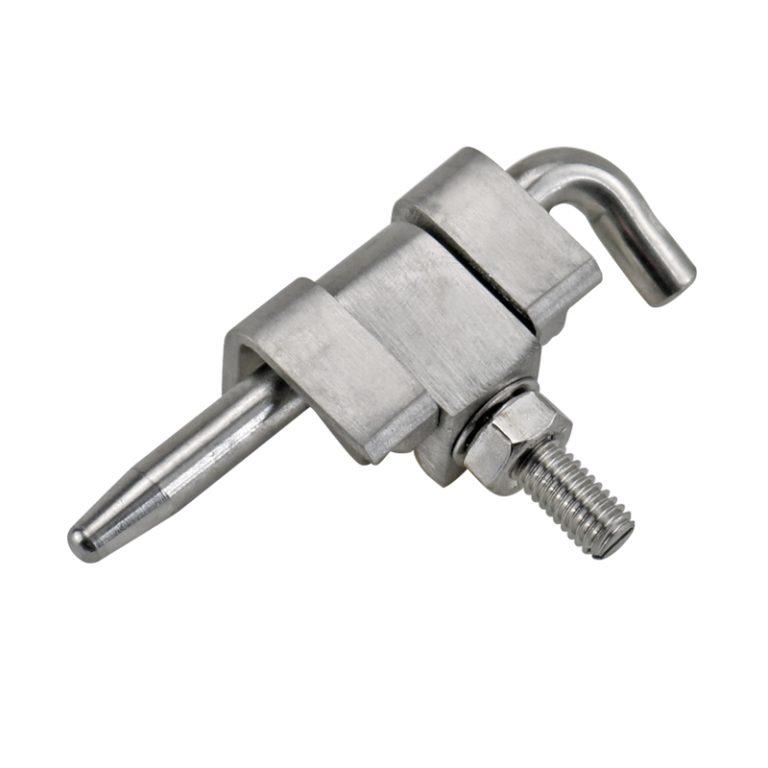
Step 1: Positioning Mark
Measure the hinge position on both the cabinet frame and the door. Maintain consistent spacing and accurate vertical reference so the removable hinge engages smoothly.
Step 2: Install the Base
Tighten fasteners according to the hinge specification and verify that the base remains level before full tightening.
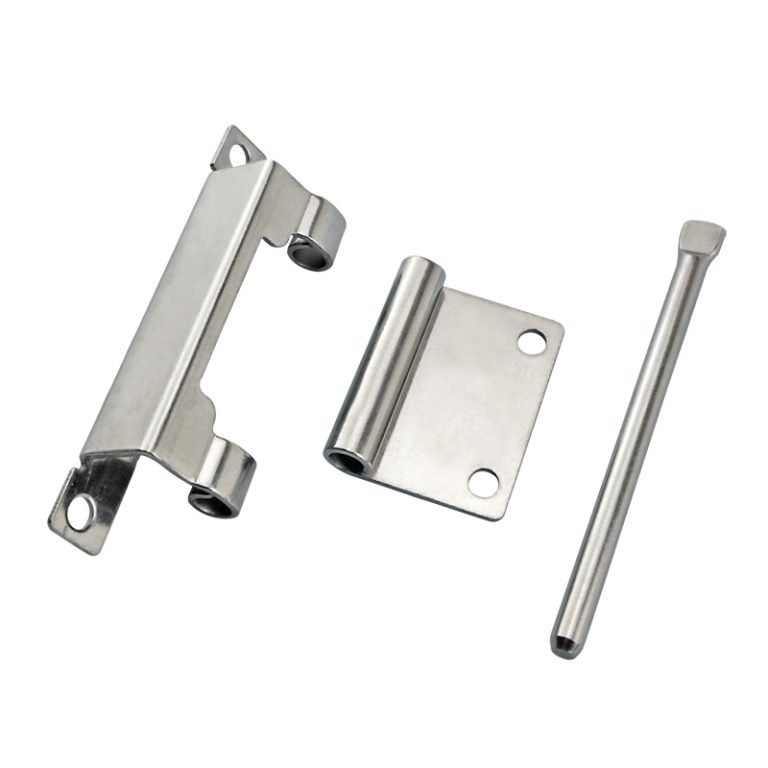
Step 3: Fasten the Door Panel
Align the removable section with the mounted base and engage the mechanism until it seats securely. Check that the door can be opened, closed, and disengaged correctly before the cabinet enters service.
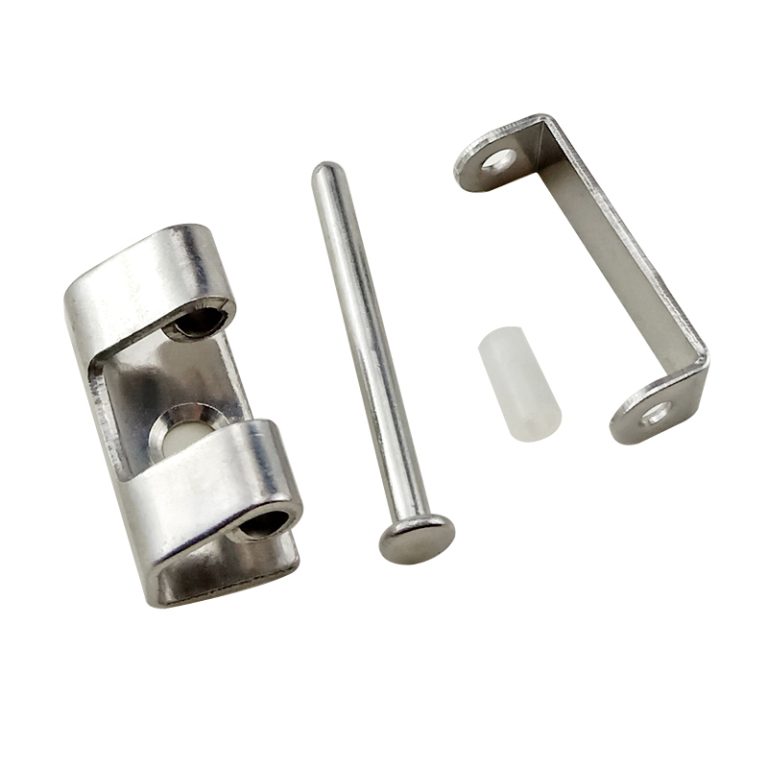
Note: Heavier, oversized, or glass-filled panels should be installed and tested by qualified personnel.
Typical Applications

Removable Hinge Applications
- Electrical control cabinets and distribution boxes: Fast access for inspection, rewiring, and component replacement.
- Laboratory instrument cabinets: Easier door removal during equipment service or calibration.
- Lightweight tool cabinets: Suitable where quick access matters more than high structural load.
- Modular equipment enclosures: Useful for reconfigurable systems or panels that are removed repeatedly.
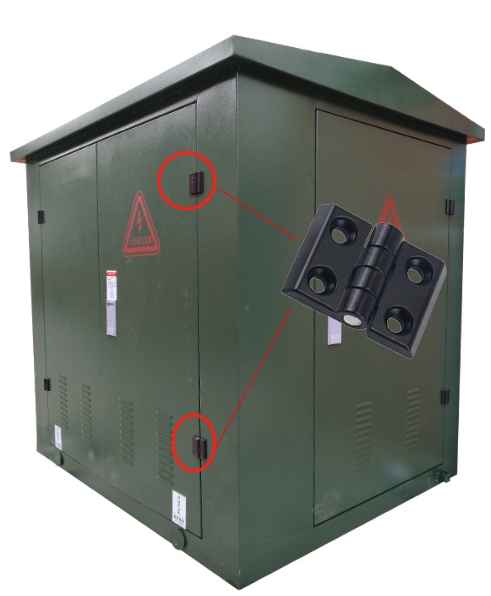
Fixed Hinge Applications
- Heavy machinery doors: Better for larger panels and sustained structural load.
- Outdoor power distribution cabinets: Stronger long-term stability under weather and vibration.
- Warehouse and industrial enclosure doors: Suitable for long-term fixed installations with repeated duty cycles.
For machinery-oriented cabinet hinge applications, you can also review our stainless steel hinges for machinery guide for more equipment-specific material and environment considerations.
Cost and Lifecycle Value
Detachable hinges often have a higher unit price because they require more precise manufacturing, more complex engagement structures, and in many cases better materials. However, the better comparison in industrial settings is not unit cost alone, but total lifecycle value.
- Fixed Hinges: Lower initial cost and strong structural simplicity.
- Removable Hinges: Higher initial cost but lower labor cost in maintenance-heavy applications.
- Lifecycle Advantage: In systems with frequent panel removal, detachable hinges can reduce downtime and technician labor enough to offset their higher purchase cost.
That is why removable hinges are often a better long-term choice in service-oriented cabinets, even when they are not the lowest-price option at the time of purchase.
Daily Maintenance
| Task | Operation Guide | Cycle |
|---|---|---|
| Cleaning | Wipe hinge surfaces regularly and remove dust or contamination from moving areas. | Weekly |
| Lubrication | Apply suitable lubricant to pivot pins and engagement mechanisms where required. | Quarterly |
| Inspection | Check for looseness, abnormal play, clip wear, or fastener movement. | Semi-annually |
Common Problem Solutions
- Door sagging: Check mounting stability and re-align the hinge base if needed.
- Opening or closing jamming: Clean the hinge and inspect the moving parts for contamination or wear.
- Loose engagement after repeated removal: Replace worn clips, pins, or latch elements before the hinge body is damaged further.
Recommended HTAN Removable Hinges
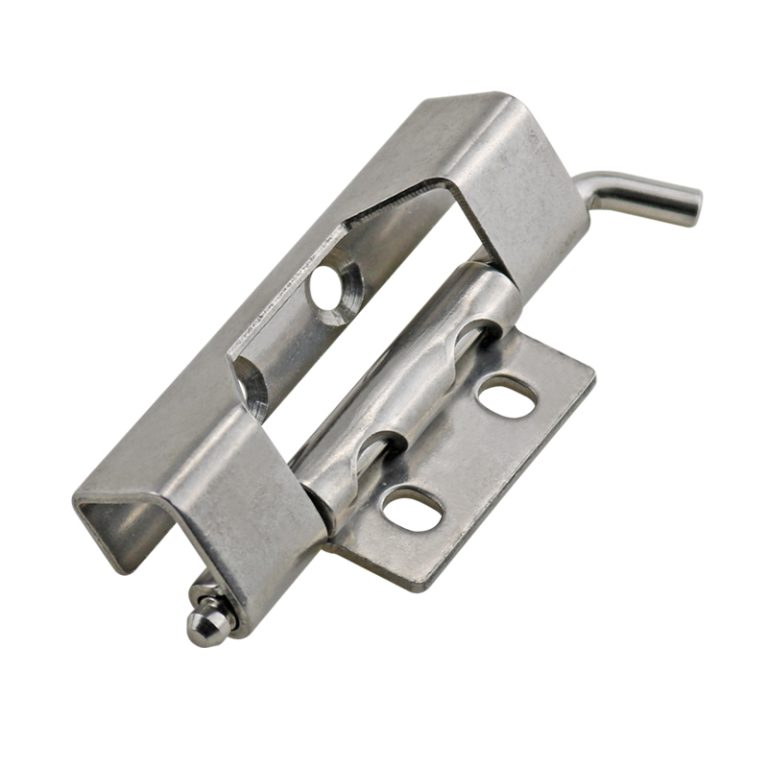
Weldable Removable Industrial Cabinet Hinges
Stainless steel and iron variants. Opens to 120°. Suitable for industrial equipment, instrument cabinets, toolboxes, and base cabinets.
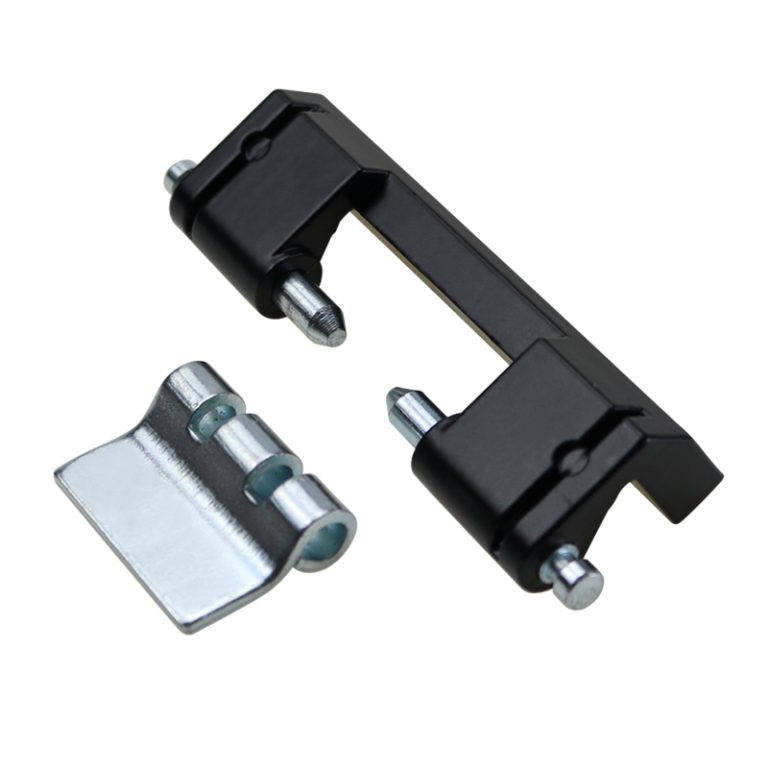
Removable Hinges with Claw Attachment
Zinc alloy, overall black, size 75×20.5mm. Opens to 110°. Suitable for Rittal cabinets, distribution boxes, base cabinets, and switchgear cabinets.
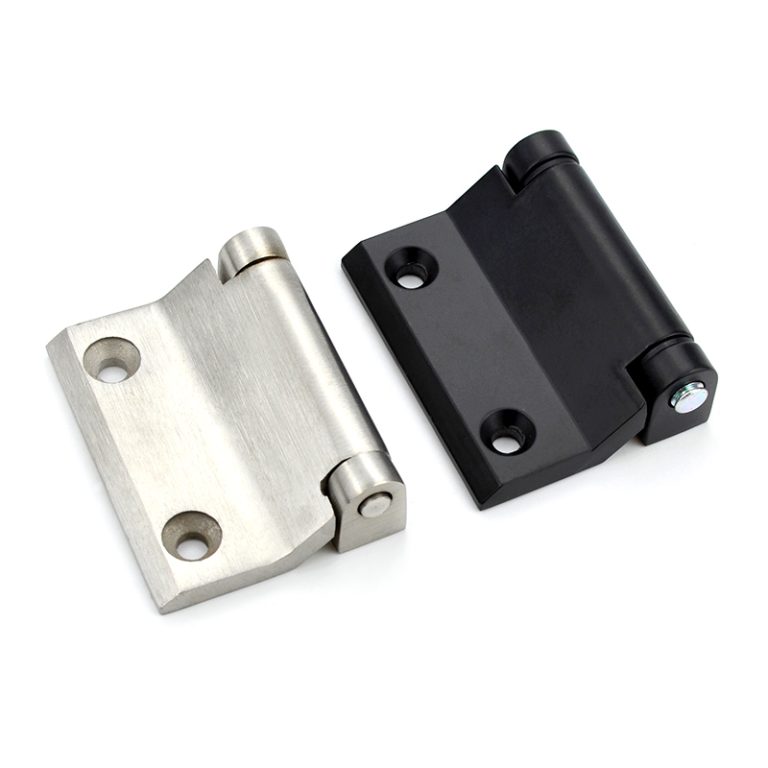
Removable Cabinet Door Hinge for Industrial Equipment
Zinc alloy and stainless steel variants, black and brushed finish. Suitable for consoles, chassis, environmental protection equipment, meter boxes, and tin cabinets.
FAQ
Q: Can removable hinges be used on heavy doors?
They are usually better suited to light or medium-duty cabinet doors. For heavier panels, fixed hinges or reinforced structural hinge solutions are generally safer and more stable over time.
Q: Will frequent disassembly damage the hinge?
High-quality removable hinges are designed for repeated removal cycles, but long-term wear can still appear in the clip, latch, spring, or pin engagement area. Periodic inspection is recommended where the door is removed frequently.
Q: How should fixed hinges be replaced after heavy corrosion?
Replacement depends on the installation method. Screwed hinges are easier to change, while welded hinges usually require more labor. Preventive material selection is often more cost-effective than repeated replacement in corrosive environments.
Q: What hinge type is better for food factory cabinet doors?
Corrosion-resistant, easy-to-clean hinges are usually preferred. In washdown or hygiene-sensitive settings, stainless steel removable hinges may offer a good balance of serviceability and cleanability, depending on door weight and access frequency.
Q: Can removable and fixed hinges be combined on one door?
In some medium-duty applications, mixed configurations can be used when engineers want to balance load support with easier service access. The final decision should still be based on door weight, alignment, and service conditions.
Conclusion
The choice between removable and fixed hinges should be based on three main variables: access frequency, door weight, and operating environment.
- Removable hinges are better where maintenance convenience, modular access, and fast servicing matter most.
- Fixed hinges are better where structural stability, heavier load support, and vibration resistance take priority.
Correct specification improves maintenance efficiency, reduces downtime, and extends cabinet door service life. For application matching and factory-direct support, contact HTAN.