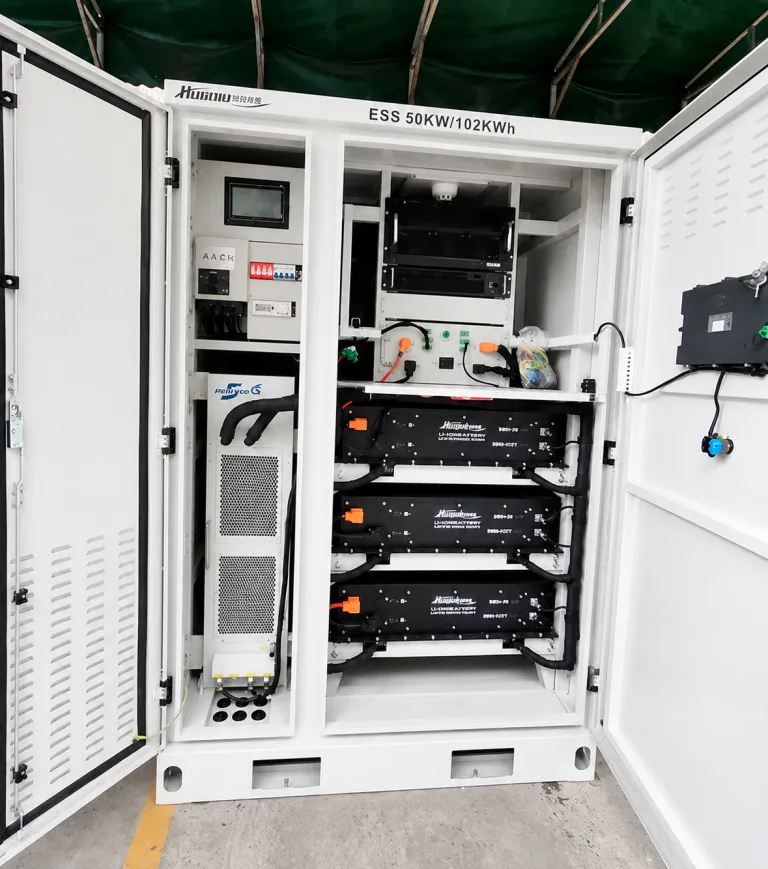
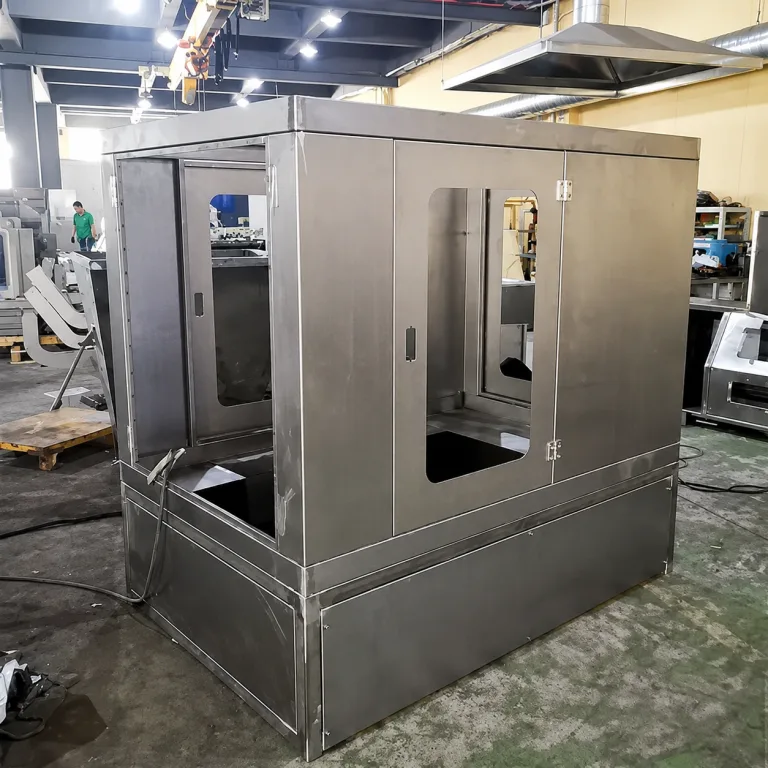
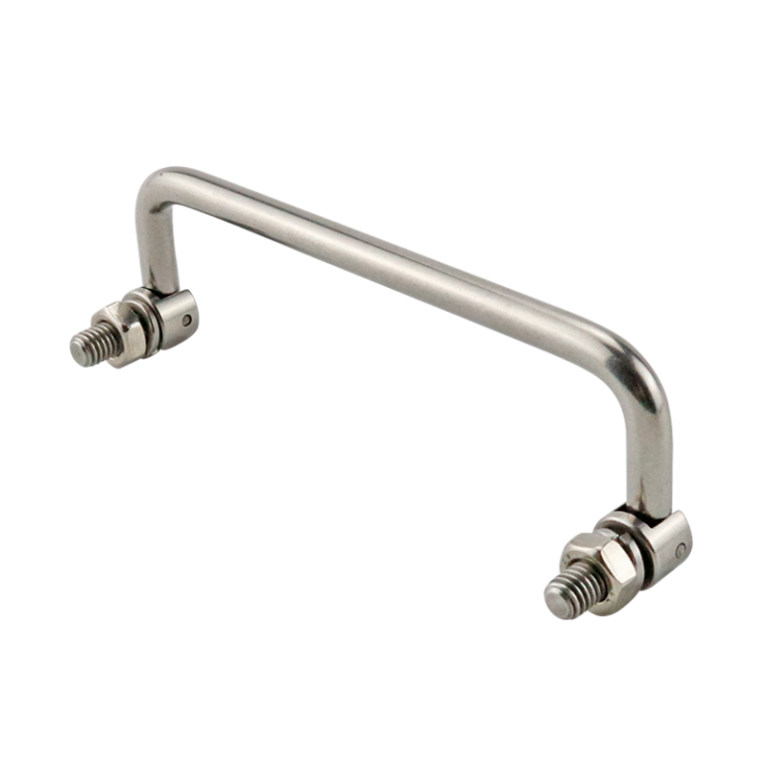
HTAN is one of the leading manufacturers of industrial hinges, handles and latches in China.


A hinge on an outdoor electrical enclosure has to do three jobs at once: carry the door weight, survive years of rain, UV, and corrosion, and hold the door tight enough that the gasket keeps sealing. Choose the wrong hinge and you do not just get a stiff door — you get sag, rust, and seal failure that lets water into live equipment. Yet hinge selection is often the last thing specified, after the enclosure, the gasket, and the latch are already chosen.
This guide gives you a single, ordered path for choosing hinges for an outdoor electrical enclosure: protection rating first, then corrosion grade, then door load, then wind and installation, ending with a checklist you can send to a supplier. It is a selection guide, not a repair manual — if your enclosure is already leaking and you need to find the cause, start with the cabinet door seal failure diagnostic guide instead. This page is about getting the choice right before the door is built.
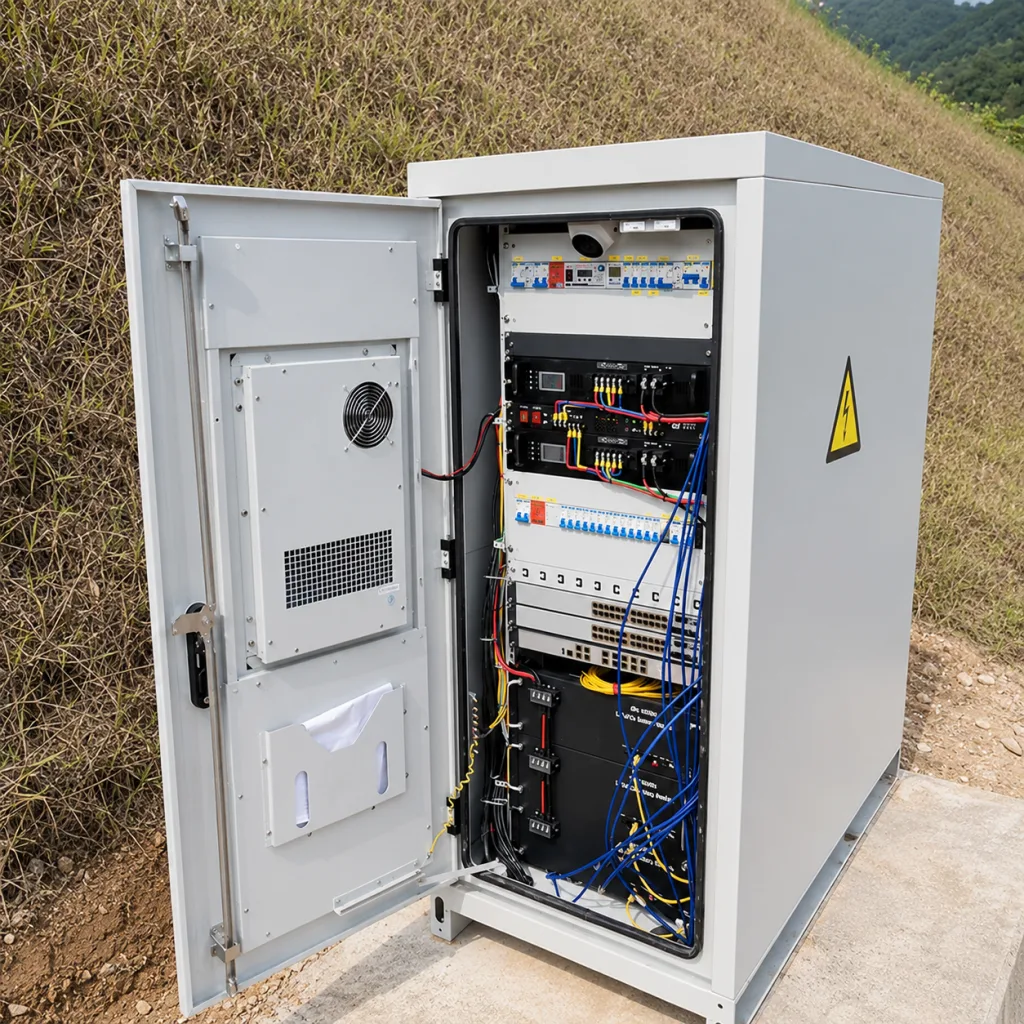
Quick Answer: The Selection Path
To choose a hinge for an outdoor electrical enclosure, work through five decisions in order:
| Step | Decision | Why It Matters |
|---|---|---|
| 1 | IP or NEMA rating | Determines how well the hinge must help preserve gasket compression |
| 2 | Corrosion grade | Determines material choice: coated steel, 304, or 316 |
| 3 | Door load | Determines hinge size, count, and load rating |
| 4 | Wind and vibration | Adds dynamic load and fastener stress |
| 5 | Installation and access | Determines welded, bolted, removable, or concealed mounting |
The most common mistake is to start at the material — buying “stainless steel” without matching the grade, the load, or the sealing requirement. Work the path in order and each choice narrows the next.
Step 1 — Start with the IP or NEMA Rating
The IP or NEMA rating comes first because it defines how well the closed door must keep dust and water out — and that target decides how hard the hinge has to work. An enclosure only holds its rating if the door compresses the gasket evenly all the way around, and the hinge is one of the key parts that helps keep that compression even. A weak or sagging hinge can let the gasket relax on the pivot side, so the enclosure may no longer maintain its intended rating even though the latch still closes.
The two digits of an IP code describe protection against solids and liquids; the required IEC 60529 (IP Code) level tells you how watertight the closed door must stay. For U.S. projects, the enclosure may be specified by a NEMA Type rating — such as NEMA 3R, 4, or 4X — rather than an IP code, so confirm whether the requirement is IP, NEMA, or both before selecting the hinge. Higher ingress-protection requirements usually demand more stable door alignment, better gasket compression, and mounting methods that do not create leak paths. The full engineering of how hinges act as sealing-compression devices for IP65/IP67 — gasket reaction force, fit tolerances, sealed studs — is covered in the deep dive on hinge selection for IP65/IP67 cabinets. For this selection path, the takeaway is simple: fix the rating first, because it drives every later choice.
Step 2 — Match the Material to the Corrosion Environment
Outdoor environments are not all equally harsh, and the material should match the actual exposure rather than defaulting to “stainless.” A useful way to grade the environment:
| Environment | Typical Material Choice | Why |
|---|---|---|
| Sheltered / mild outdoor | Coated or zinc-plated steel, or 304 stainless | Limited moisture; cost-effective |
| General outdoor, rain and UV | 304 stainless steel | Good all-round corrosion resistance |
| Industrial / polluted air | 304 or 316 depending on chemicals | Resists acidic and particulate exposure |
| Coastal / marine / road salt | 316 stainless steel | Molybdenum resists chloride pitting |
This is a selection shortcut, not a metallurgy lesson. The difference between 304 and 316 comes down to chloride resistance, and choosing between them for a specific coastal or industrial site is worth doing carefully — the passivation chemistry, salt-spray behavior, and the full 304-vs-316 decision are covered in the guide to outdoor stainless steel hinge selection: 304 vs 316. If corrosion resistance is your single biggest concern, also review the range of corrosion-resistant hinge options before locking in a grade.
Step 3 — Size the Hinge to the Door Load
Once the material is set, size the hinge to the door. The principle is straightforward: the total hinge load rating should comfortably exceed the door weight, with margin for dynamic loads. Most outdoor enclosure doors should be sized with a safety margin above the static door weight, especially when the door is wide, carries off-center components, or is exposed to wind and vibration — so a hinge set rated only at the exact door weight leaves no headroom for real service conditions.
Door weight is not the whole story. Where the weight sits matters: heavy components mounted near the latch side, far from the hinge, create a long moment arm that multiplies the effective load on the hinge far beyond the door’s static weight. Wide doors also bow more across the span, which stresses the hinge line. For heavy or wide outdoor doors, step up to a heavy-duty hinge and consider adding a third hinge rather than relying on two. If you are unsure whether a door is “heavy” enough to need an upgrade, err toward more capacity — an oversized hinge costs little; an undersized one sags and breaks the seal.
Step 4 — Add for Wind and Vibration
Outdoor cabinets face loads an indoor cabinet never sees. Wind pressure on a large door adds force the hinge must resist, and a gust caught on an open door can shock-load the hinge well beyond the door’s static weight. Cabinets near roads, rail, generators, or compressors also face constant vibration, which slowly loosens fasteners and wears hinge pins.
For high-wind sites or large door panels, two responses help: increase the hinge capacity and number, and make sure the door is held closed evenly so the gasket stays compressed across the whole span. A single latch on a long door can leave the far corners under-compressed; spreading the closing force with multi-point or compression latching keeps the seal even. The latch side of that decision is covered separately in the comparison of cam latch vs compression latch — for hinge selection, the point is simply that wind and vibration raise the load class you should specify.
Step 5 — Choose the Installation and Access Method
The last decision is how the hinge mounts and whether the door must come off for service. Welded hinges are permanent and strong but cannot be replaced in the field. Bolted hinges allow replacement but every mounting hole through the enclosure wall is a potential leak point, so outdoor bolted hinges should use sealed or gasketed studs. Removable (lift-off) hinges let a technician lift the door away without tools — valuable when an outdoor cabinet needs fast cable access or panel swaps in a tight location. The trade-offs of tool-free door removal are covered in the guide to lift-off hinges for tight spaces.
For sealing-critical outdoor enclosures, concealed or internally mounted hinges have an advantage: with no holes on the external face, there are fewer leak points to seal. Whatever the mounting style, the rule for outdoor service is to minimize unsealed penetrations through the enclosure skin.
Outdoor Enclosure Hinge Selection Checklist
Before sending a hinge requirement to a supplier, confirm each of these. A complete answer set lets a supplier recommend the right hinge instead of guessing.
| Selection Factor | What to Confirm |
|---|---|
| Protection rating | Required IP / NEMA level the closed door must hold |
| Corrosion environment | Sheltered, general outdoor, industrial, or coastal/marine |
| Material grade | Coated steel, 304, or 316 stainless |
| Door dimensions | Width, height, thickness, and weight |
| Load distribution | Where heavy components sit relative to the hinge side |
| Hinge count and rating | Number of hinges and combined load rating with safety margin |
| Wind / vibration exposure | High-wind site, roadside, or vibrating equipment |
| Installation method | Welded, bolted (sealed studs), or removable / concealed |
| Field serviceability | Whether the door must be removed without tools |
Common Selection Mistakes
Mistake 1: Starting at the Material
“Use stainless” is not a specification. Without matching the grade to the corrosion environment and the size to the load, a stainless hinge can still sag or pit. Work the path in order.
Mistake 2: Sizing to Static Door Weight Only
A hinge rated exactly at the door weight has no margin for off-center loads, wind, or vibration. Specify a safety margin above the static weight and account for where the weight sits.
Mistake 3: Ignoring the Mounting Holes
On a sealed outdoor enclosure, every unsealed bolt hole through the wall is a leak path. Use sealed studs, or choose concealed or internally mounted hinges that avoid external penetrations.
Mistake 4: Specifying the Hinge Last
If the enclosure, gasket, and latch are all chosen before the hinge, the hinge is forced to fit constraints rather than support the seal. Bring it into the design early.
FAQ
Do outdoor electrical enclosures always need stainless steel hinges?
Not always. Sheltered or mild outdoor sites can use coated steel or 304 stainless, while general outdoor exposure usually calls for 304, and coastal or road-salt environments need 316 stainless. Match the grade to the actual corrosion exposure rather than defaulting to one material.
Should I choose 304 or 316 stainless for an outdoor hinge?
Use 304 for general outdoor rain and UV exposure, and 316 where chlorides are present — coastal, marine, or road-salt environments — because its molybdenum content resists chloride pitting. For a borderline site, 316 buys extra margin at a higher cost.
How many hinges does an outdoor enclosure door need?
Two hinges suit small, light doors, but large, heavy, or wide doors usually need three or more to spread the load and keep the gasket compressed evenly. Size the combined hinge rating to exceed the door weight with a safety margin, and add a hinge before overloading two.
Can the hinge affect the enclosure’s IP rating?
Yes. A sagging or weak hinge lets the gasket relax on the pivot side, so the door may no longer compress the seal evenly and the enclosure may not hold its intended rating. Mounting holes for bolted hinges are also potential leak points unless sealed, which is why concealed or sealed-stud hinges are common on high-IP enclosures.
Are welded or bolted hinges better for outdoor enclosures?
Welded hinges are strong and permanent but cannot be replaced in the field, while bolted hinges allow replacement but add mounting holes that must be sealed. Removable or concealed hinges offer field serviceability or fewer external leak points; the right choice depends on maintenance needs and sealing priority.
What information does a hinge supplier need from me?
Provide the required IP or NEMA rating, the corrosion environment, the door width, height, thickness, and weight, where heavy components sit, the wind or vibration exposure, and the installation method. With that, a supplier can recommend the correct material, type, size, and count instead of guessing.
Bottom Line
Choosing a hinge for an outdoor electrical enclosure is a sequence, not a single spec. Fix the protection rating first, match the material to the corrosion environment, size the hinge to the door load with margin, add capacity for wind and vibration, and choose an installation method that protects the seal and suits field service. Work the path in order and the hinge supports the seal instead of fighting it.
If you can answer the checklist above — IP rating, corrosion grade, door size and weight, load distribution, wind exposure, and installation method — HTAN can recommend the right material, type, size, and hinge count for your outdoor enclosure. Send those details to get a selection matched to your actual operating conditions.