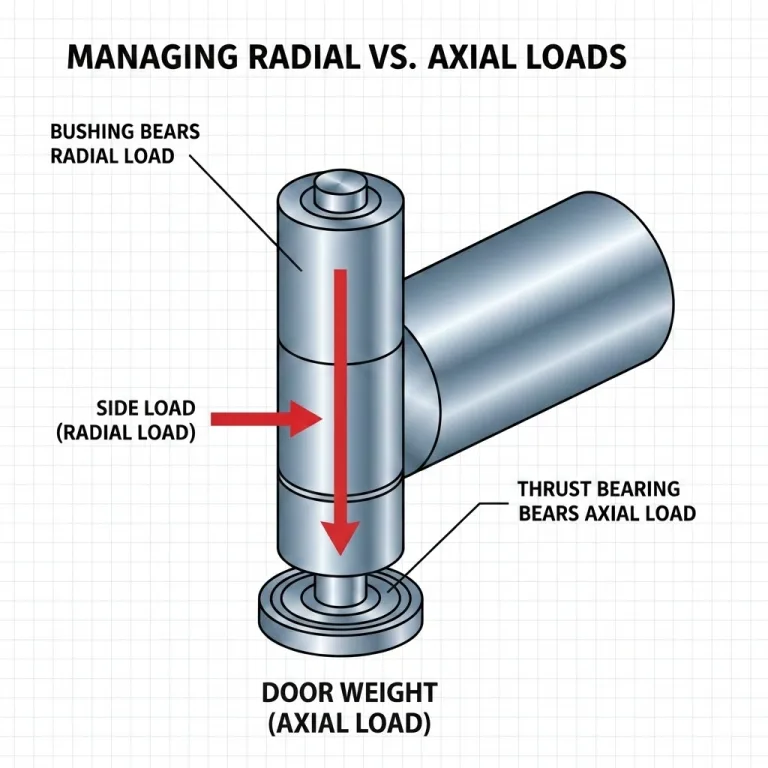
HTAN is one of the leading manufacturers of industrial hinges, handles and latches in China.


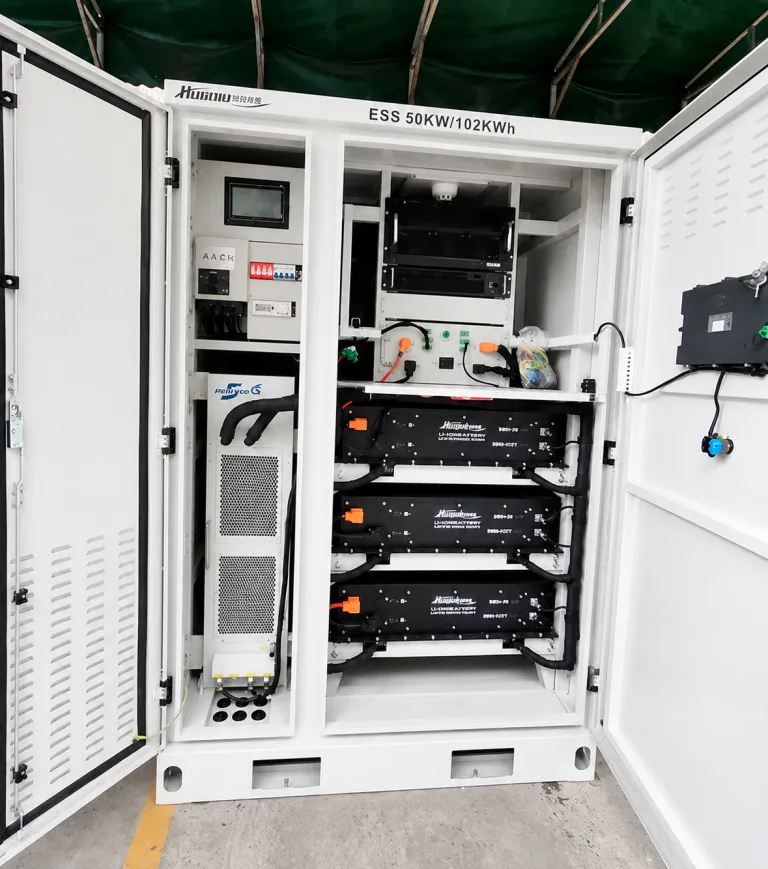
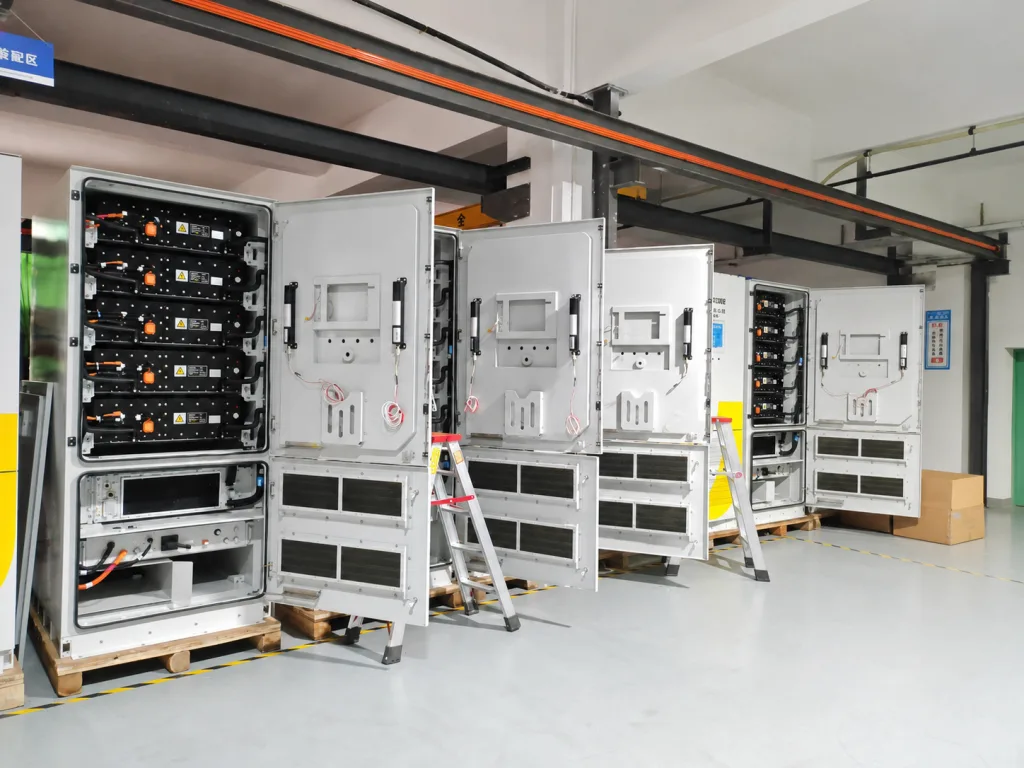
An EV charging cabinet may contain a public-facing control door, a technician-only power compartment, a cooling-service panel, and a cable-termination access door. These doors do not necessarily need the same hinge. Their loads, opening angles, exposure, security boundaries, sealing requirements, and service tasks can be different even when they belong to the same charging station.
For engineers and OEM buyers, selecting hinges for EV charging station cabinets should therefore begin with the function of each moving door—not with a preferred hinge style, stainless grade, catalog load number, or enclosure marketing name.
This guide provides a door-by-door specification workflow. Its purpose is to help an OEM convert cabinet architecture, public-site exposure, maintenance access, sealing geometry, and approval requirements into a hinge package that can be reviewed by engineering, procurement, quality, and the hinge supplier.
Decision Boundary
This page helps you answer one engineering question:
What hinge specification and approval evidence are required for each access door on an EV charging station cabinet?
It does not provide one universal hinge recommendation for every charger. A public-facing control door, a rear power-module door, and a frequently removed filter panel may require different hinge architectures.
Scope note: This guide assumes that the project has already established its general outdoor-enclosure requirements. For the broader sequence covering protection rating, corrosion exposure, door load, wind, vibration, and mounting method, use the general outdoor enclosure hinge selection path.
Map the Cabinet Access Zones Before Selecting a Hinge
“Access zone” is a practical planning term used in this guide. It is not a certification category. Its purpose is to separate doors according to who opens them, what equipment is behind them, how frequently they move, and what can happen if they are forced, misaligned, or left unsecured.
Do not start the hinge RFQ with one line that says “EV charger cabinet door.” Start with a list of every moving panel.
| Possible access zone | Typical access condition | Primary hinge questions | Status at concept stage |
|---|---|---|---|
| Public-facing control or payment door | Visible and reachable by the public; opened by authorized service personnel | Can pins or fasteners be reached? Does the door remain aligned with the lock and gasket? Is the opening path safe near users? | Project-Specific |
| Power-module or breaker compartment | Restricted technician access; may use a larger reinforced door | What is the complete door mass and center of gravity? What opening angle is needed for module service? Does an interlock affect the door path? | To Be Confirmed |
| Cooling, fan, or filter panel | May be accessed more frequently than the main electrical compartment | Should the panel remain attached, swing fully open, or be removed? Can cables, filters, or ducts interfere with the hinge? | Preliminary |
| Cable-termination compartment | Usually technician-only; access may be limited by conduit and cable routing | Is there sufficient door swing without contacting cables, bollards, walls, or adjacent equipment? | To Be Confirmed |
| Rear or side service door | May face a wall, traffic lane, parking space, or restricted maintenance corridor | What is the true service clearance? Is a removable panel safer than a wide swinging door? | Project-Specific |
A single hinge model may still be suitable for more than one door, but that decision should come after the access-zone review. Standardizing too early can force a small service panel to use an unnecessarily complex hinge or leave a large public-facing door with insufficient structural or security control.
Build a Door Input Register Before Requesting a Recommendation
The supplier cannot determine a final hinge from a charger photograph, cabinet height, or material preference alone. Each input should have an owner, source, and status so that preliminary assumptions are not mistaken for released specifications.
Why EV Charging Site Data Is Often Incomplete at RFQ Stage
For a network-deployed EV charging platform, cabinet hardware may be sourced before every installation site has been finalized. The same charger design may later be installed at curbside, retail, highway-corridor, workplace, or fleet locations while permitting, utility coordination, mounting details, and local exposure conditions are still being confirmed.
The practical response is to define a planned site envelope rather than wait for every address to be finalized. The OEM can then either validate one hinge and door design against the bounding conditions or define site-specific variants where one configuration cannot reasonably cover the full range. Any condition outside the approved envelope remains To Be Confirmed before deployment.
| Input | Minimum information | Typical owner or source | Required status before sample approval |
|---|---|---|---|
| Door function | Public control, power service, cooling, cable termination, or another defined task | System architect / mechanical engineering | Provided |
| Complete moving-door mass | Door plus every component that moves with it | Mechanical BOM or weighed assembly | Provided |
| Center of gravity | Distance from hinge axis to the assembled-door center of gravity | CAD model / mechanical engineering | Provided or validated preliminary value |
| Door and frame geometry | Height, width, thickness, return flange, reinforcement, and mounting faces | Released or near-release drawing | Provided |
| Opening requirement | Minimum service angle, maximum angle, stop, and removal direction | Service engineering / mechanical engineering | Provided |
| Public-site threat model | Reachable pins, accessible fasteners, pry points, impact risk, and authorized access method | Product security / OEM | Project-Specific |
| Enclosure protection target | Specified enclosure-level IP, NEMA, or project test requirement | Compliance engineering | Provided |
| Environment | Indoor, outdoor, coastal, road-salt, industrial, humid, dusty, or washdown exposure | Project specification | Provided |
| Planned site envelope | Site types, public reach, wind and contamination ranges, mounting conditions, and clearance limits covered by the common design | Site owner or operator, project team, and charger OEM | Preliminary before pilot; provided before network rollout |
| Cycle profile | Factory assembly, commissioning, routine service, filter access, and fault response | Service plan / reliability engineering | Preliminary before sample; provided before production |
| Evidence package | Drawing, material, finish, test method, acceptance limits, and sample record | OEM and supplier | Defined before purchase order release |
Choose the Hinge Architecture From Access, Threat, and Assembly Conditions
Hinge architecture should be screened against the cabinet structure and service workflow. No architecture is automatically the safest or most durable simply because the equipment is an EV charger.
| Architecture | Possible reason to evaluate it | Main limitations to review | Approval evidence |
|---|---|---|---|
| External butt or surface hinge | Simple mounting, visible inspection, direct fastener access, and broad size availability | Exposed pin or fasteners, local mounting stress, external projection, and corrosion traps | Door-load review, fastener access review, alignment sample, and environment evidence |
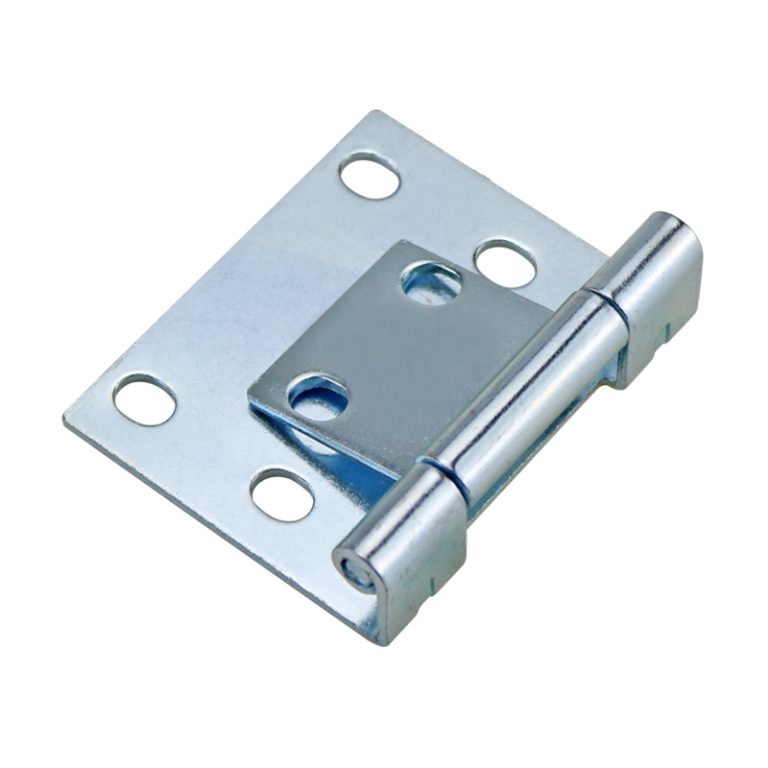
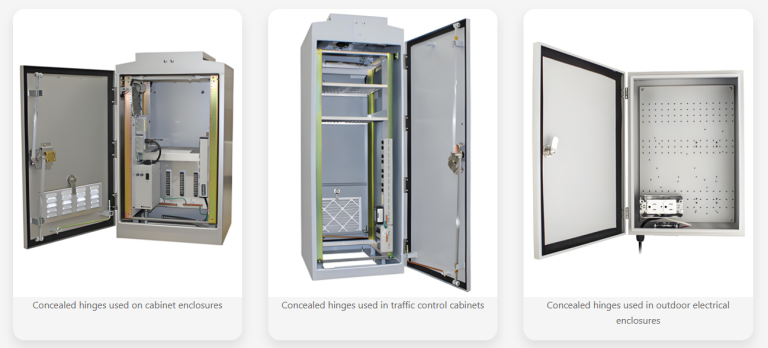
| Concealed hinge | Reduces exposed hinge hardware and supports a clean public-facing surface | Internal clearance, opening-angle limits, weld or fastener access, gasket interference, and difficult replacement | Section drawing, sweep envelope, sample installation, and service-access verification |
| Continuous hinge | Distributes support along a tall edge and may help control the hinge-side gap | Installation straightness, full-length corrosion path, drainage, accumulated tolerance, and repair method | Full-length mounting drawing, flatness control, corrosion evidence, and assembled-door test |
| Lift-off or removable hinge | Allows a panel to be removed for controlled service or restricted-clearance installation | Unauthorized lift-off risk, cable and bonding disconnection, safe lifting method, handing, and reinstallation alignment | Removal procedure, retention feature, service authorization, and refit check |
| Offset or special-geometry hinge | Moves the door around a gasket, fascia, bollard, recessed frame, or exterior panel | Complex load path, pinch points, swept volume, tooling, and tolerance sensitivity | Motion study, section drawing, prototype fit, and tolerance review |
Where an internal hinge is being considered, review available concealed hinge configurations for industrial cabinets only after the internal installation envelope and required opening path have been defined.
Vandal-Resistance Boundary
A concealed pin or inaccessible fastener can reduce one exposed attack point, but the hinge alone does not make the cabinet vandal resistant. Door-edge stiffness, pry gaps, latch structure, lock access, fasteners, frame reinforcement, impact exposure, and installation all remain part of the security boundary.
Do not approve a hinge using descriptions such as “anti-vandal” or “tamper-proof” unless the required attack method, load, tool, duration, test configuration, and acceptance criteria are documented.
Size the Hinge From the Complete Moving Door Assembly
The relevant load is not always the bare sheet-metal door. Include every item that moves with the door: reinforcement, display or payment hardware, indicators, handles, locks, rods, filters, fans, insulation, cables, bonding straps, and any project-specific accessory.
A useful first relationship is:
Door moment: M = W × d
Where W is the gravitational load of the complete moving assembly and d is the horizontal distance from the hinge axis to the center of gravity.
This is a general mechanical relationship, not a final hinge rating or production approval rule.
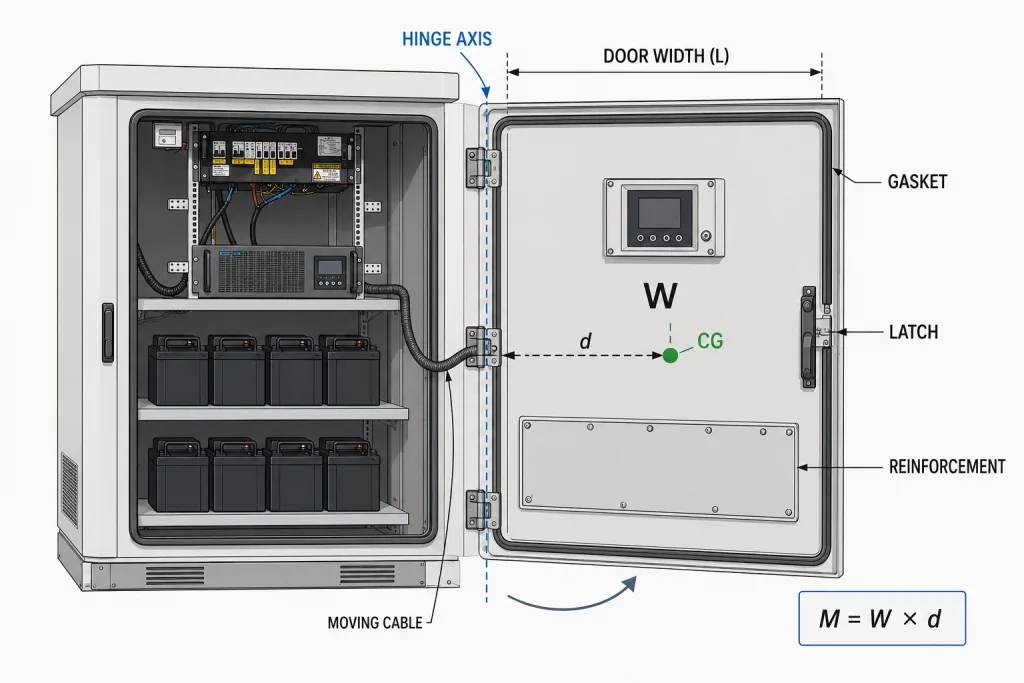
The hinge review must also consider hinge spacing, frame stiffness, fastener pullout, weld length, door deflection, wind acting on the open door, and dynamic loads created during handling or service.
Use the separate door load and center-of-gravity calculation guide for the complete load method. This EV charging article only defines which door data must be supplied and how that data affects the application decision.
Protect the Hinge-Side Seal Without Calling the Hinge “IP-Rated”
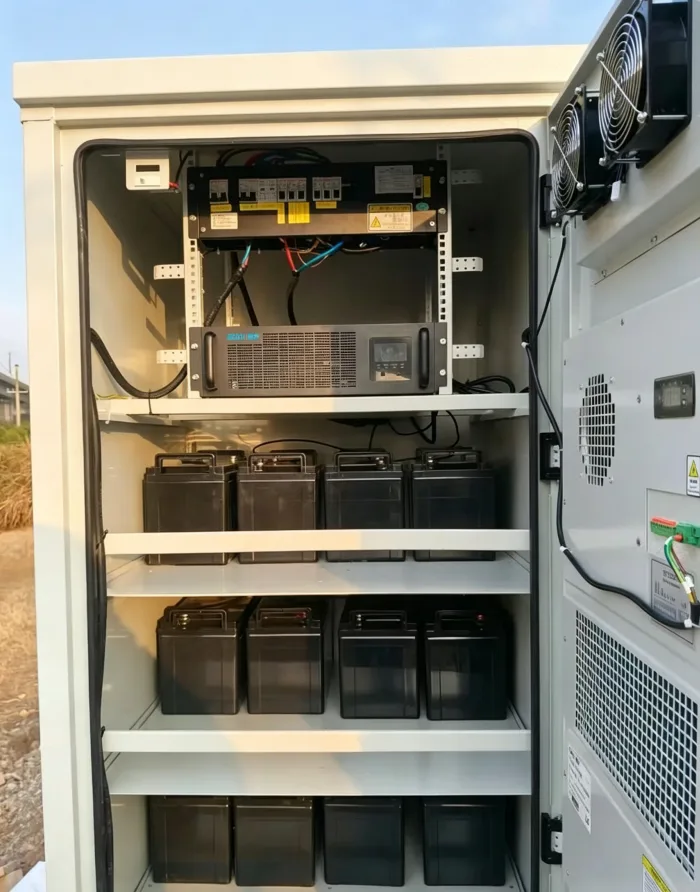
The hinge influences door position, but it does not establish the enclosure protection rating by itself. The evaluated boundary includes the door, frame, gasket, latch, hinge, fasteners, penetrations, ventilation interfaces, and mounting structure.
At the hinge side, check:
- Whether the hinge axis allows the gasket to compress without rolling, scraping, or being pulled sideways
- Whether mounting leaves, welds, nuts, or brackets interrupt the seal path
- Whether door sag changes the top, bottom, hinge-side, or latch-side gap
- Whether the latch can engage without lifting or forcing the door
- Whether the closed position remains repeatable after cycling and transport
- Whether drainage paths remain open around an external hinge
Standards Boundary
| Standard | What it addresses | What it does not prove by itself |
|---|---|---|
| IEC 60529 | Classification of enclosure protection against access, solid objects, dust, and water | It does not make an individual hinge independently IP-rated or confirm long-term alignment |
| IEC 62262 | Classification of enclosure protection against defined external mechanical impacts using IK codes | It does not automatically demonstrate pry resistance, lock security, or hinge-pin retention |
| ISO 9227 | Salt-spray test apparatus, reagents, procedures, and cabinet-environment control | It does not automatically define exposure duration, service life, or the project acceptance limit |
The OEM should state which enclosure configuration is tested, which door position is used, whether the sample is cycled before testing, and what constitutes failure. A supplier material certificate or salt-spray report does not replace the complete enclosure validation.
Specify a Corrosion Evidence Package, Not Just “Use Stainless Steel”
Material selection must be based on the complete assembly and the actual site. The hinge body, pin, bushings, screws, washers, welds, coating edges, door material, frame material, and retained water paths can behave differently even when the main leaf is stainless steel.
| Evidence field | What should be stated | Responsible party |
|---|---|---|
| Base material | Actual grade or alloy for leaf, pin, shaft, and critical components | Supplier |
| Surface finish | Plating, passivation, coating, polish, paint, or other treatment | Supplier |
| Fastener system | Material, coating, washer, thread treatment, and compatibility with the cabinet | OEM and supplier |
| Exposure condition | General outdoor, coastal, deicing salt, industrial pollution, humidity, or indoor parking structure | OEM / project specification |
| Test method | Standard, sample preparation, exposure time, orientation, and post-test evaluation | OEM requirement and supplier report |
| Acceptance criteria | Allowed cosmetic change, red rust, pitting, loss of function, or fastener seizure | OEM |
| Report traceability | Model, material lot where applicable, date, laboratory, and report number | Supplier |
For the underlying material decision, use the separate 304 vs. 316 outdoor hinge material guide. This page does not repeat the full stainless-grade comparison.
Verify the Opening Geometry and Technician Service Envelope
A hinge can carry the door and still fail the application if the technician cannot reach the equipment safely. Opening angle should be defined from the maintenance task, not selected from a catalog maximum.
- Identify the service operation. State which component is inspected, removed, connected, or replaced through the door.
- Define the minimum usable angle. Include the technician, tools, lifting path, and component-removal path.
- Check the full swept volume. Include bollards, walls, parked vehicles, adjacent dispensers, curbs, cable holsters, and service barriers.
- Control the open door. Determine whether a stop, stay, detent, restraint, or separate support is required for wind or sloped installations.
- Inspect moving services. Check bonding straps, wiring, display cables, interlocks, and grounding conductors through the complete motion.
- Define removal conditions. For lift-off designs, state who may remove the door, how electrical connections are isolated, and how the door is supported.
“Opens 120 degrees” is not a complete requirement. A usable specification explains why that angle is required, what must pass through the opening, and what prevents the door from striking nearby equipment.
Incomplete Specifications That Create Approval Risk
| Incomplete request | Why it is insufficient | Correct confirmation |
|---|---|---|
| “Need a heavy-duty EV charger hinge” | No door load, geometry, mounting structure, access zone, or evidence requirement | Provide complete moving mass, center of gravity, door size, hinge locations, and use environment |
| “Use a concealed hinge for security” | Concealment does not define attack method, internal clearance, load, or serviceability | Define accessible attack points, required opening, mounting envelope, and sample acceptance test |
| “Must be IP66” | IP applies to the enclosure assembly, not the hinge alone | State the enclosure test configuration, gasket, latch, cycling condition, and post-test acceptance |
| “Use 316 stainless” | Does not define pin, fasteners, finish, welding, drainage, or corrosion test evidence | Specify the complete material system and required report |
| “Same hinge for every door” | Different access zones may have different loads, security boundaries, and service frequency | Approve standardization only after comparing every moving panel |
| “Supplier to confirm vandal resistance” | No defined attack tool, load, location, duration, or failure criterion | OEM provides the threat and acceptance model; supplier confirms available evidence and geometry |
| “Sample looks good” | Appearance does not confirm load, seal repeatability, cycling, or production consistency | Use a documented sample-approval checklist on a representative cabinet assembly |
Composite Engineering Scenario: One Charger, Three Door Requirements
This is a composite engineering scenario created to explain the selection logic. It is not a customer project record or product test claim.
Consider a freestanding public DC charging cabinet with three moving panels. Exact dimensions, weights, ratings, and acceptance limits are intentionally not assigned because those values must come from the project.
| Door | Project condition | Preliminary hinge direction | Evidence still needed |
|---|---|---|---|
| Door A: Public-facing control and payment access | Visible exterior surface; authorized service access; accessible to the public when closed | Evaluate concealed or internally retained hardware to reduce exposed pins and fasteners | Threat model, internal-clearance drawing, lock interaction, opening sweep, and impact configuration |
| Door B: Rear power-service compartment | Larger reinforced technician door; restricted access; gasketed perimeter | Evaluate multiple structural hinges or distributed support based on complete load and gap control | Load calculation, frame stiffness, hinge-side seal, wind restraint, and representative-door test |
| Door C: Lower filter-service panel | Smaller panel with more frequent planned maintenance | Evaluate compact fixed hinges or a retained removable arrangement depending on filter-removal path | Service procedure, removal authorization, cable clearance, handing, and reinstallation repeatability |
The preliminary decision is not “use concealed hinges everywhere.” The decision is to assign an architecture to each access zone, then hold the design until its load, clearance, seal, security, and service evidence are complete.
Validating One Hinge Design Across a Multi-Site Charging Network
A hinge that performs well at one pilot charging site does not automatically represent every location in a network rollout. A charger platform may be replicated across multiple sites with different public access, wind exposure, contamination, mounting conditions, corrosion risks, and service constraints even though the cabinet and hinge part numbers remain unchanged.
| Site type | Conditions that may differ from the pilot | What to verify before wider rollout |
|---|---|---|
| Curbside urban | Greater public reach, pedestrian contact, limited service space, or local street contamination | Accessible pins, fasteners, pry gaps, door sweep, and technician working space |
| Retail or workplace parking | Vehicle proximity, curbs, wheel stops, landscaping, and variable pedestrian access | Door opening clearance and potential contact with nearby site features |
| Highway or corridor location | Potentially greater wind exposure, deicing salts, airborne contamination, and temperature variation | Project wind condition, open-door restraint, drainage, and site-specific corrosion evidence |
| Fleet or depot yard | Restricted public access but different uptime, maintenance, and technician-access requirements | Define cabinet-door cycles from the service plan—not from vehicle charging frequency |
The practical implication is that “the hinge passed at the pilot site” is not the same claim as “the hinge is validated for the network.” The rollout plan should identify the site envelope represented by the pilot, define any site-specific variants, and require separate review for locations that fall outside the approved conditions.
Pilot Site Validation vs. Network-Wide Rollout Approval
Approving a hinge for one pilot charging station and approving it for a multi-site network rollout are not the same decision, even when the hardware is identical. The difference is the range of conditions supported by the available evidence.
| Stage | What it can confirm | What it cannot confirm alone |
|---|---|---|
| Pilot site installation | Fit, opening clearance, latch engagement, site interference, and initial cabinet behavior | Other site environments or long-term durability |
| Defined pilot observation period | Early field issues such as contamination, fastener movement, difficult access, or changing alignment | Full service life, long-term corrosion resistance, or rated cycle life |
| Network rollout approval | Whether drawings, laboratory evidence, pilot observations, and the approved site envelope support the planned rollout | Future sites that fall outside the approved envelope |
A pilot site supplements—but does not replace—defined laboratory cycling, corrosion evidence, enclosure testing, drawing review, and production controls. The observation period and acceptance criteria should be project-specific rather than described only as “weeks” or “months.”
A common gap is treating a successful pilot installation as proof that the hinge is ready for the entire network without checking whether the pilot represents the bounding conditions in the rollout plan. A sheltered depot installation, for example, does not by itself cover an exposed corridor site with different wind, contamination, or public-access conditions.
Site Owner or Operator, Charger OEM, and Hinge Supplier: Who Confirms What
EV charging projects may involve a site owner, site host, charging network operator, fleet operator, EPC contractor, charger OEM, and hardware supplier. The exact commercial structure varies, but site-specific inputs must come from the party that actually controls or verifies them rather than being assumed by the hinge supplier.
| Site owner, operator, host, or project team confirms | Charger OEM confirms | Hinge supplier confirms |
|---|---|---|
| Site type, installation environment, mounting foundation, and nearby physical constraints | Door and hinge geometry, mounting section, and opening requirement | Declared material, finish, and available cycle or corrosion evidence |
| Public access policy and any site-specific security requirement | Complete moving-door mass and center of gravity | Manufacturing tolerances shown on the product drawing |
| Parking geometry, required clearances, and applicable project or permitting constraints | Enclosure protection target, gasket path, and latch arrangement | Sample supply, standard mounting recommendation, and production capability |
| Planned rollout site range and conditions that define the approved site envelope | Service procedure, technician access, cycle profile, and variant rules | Traceable reports and evidence available for the proposed configuration |
When these roles belong to different companies, statements such as “standard outdoor site,” “limited public access,” or “adequate service clearance” should be traced to the party that controls or verifies the condition. The hinge supplier should not be expected to infer site geometry or threat assumptions from a cabinet drawing alone.
Pre-Production Checklist: Hinges for EV Charging Station Cabinets
- Every moving door and removable panel has a defined access-zone ID.
- The complete moving mass and center of gravity are recorded.
- The hinge-side mounting section and reinforcement are shown on a drawing.
- The required opening angle is tied to a real maintenance task.
- The full door sweep clears users, bollards, vehicles, walls, cables, and adjacent equipment.
- The gasket path is not interrupted by hinge hardware or mounting features.
- The latch engages without lifting, twisting, or forcing the door.
- Publicly accessible pins, fasteners, and pry points have been reviewed.
- Material, finish, fasteners, corrosion evidence, and acceptance criteria are documented.
- IP, IK, or NEMA claims are assigned to the tested enclosure assembly, not the hinge alone.
- The approved site envelope and any site-specific variant triggers are documented.
- A representative cabinet sample has been checked before production approval.
- The released drawing, inspection method, and engineering-change process are defined.
Frequently Asked Questions
Are concealed hinges always better for public EV charging cabinets?
No. Concealed hinges can reduce access to external pins or fasteners, but they also require sufficient internal clearance, a compatible gasket path, adequate load support, and a practical service and replacement method. The complete door and security boundary must be reviewed.
Can an individual hinge provide an IP or IK rating?
The IP or IK classification applies to the evaluated enclosure configuration. The hinge can affect alignment, impact behavior, fastener exposure, and gasket contact, but the door, frame, latch, gasket, penetrations, and mounting structure must be assessed as the complete assembly.
What information is required before a supplier can recommend an EV charger cabinet hinge?
Provide the access-zone function, complete moving-door mass, center of gravity, door and frame drawings, hinge mounting section, opening angle, gasket path, latch position, environment, public-site threat assumptions, cycle profile, and required evidence package.
Should one hinge design be used on every door in an EV charging station?
Only after each door has been reviewed. Public control doors, large power-service doors, cooling panels, and cable-access doors may have different loads, access frequency, sealing geometry, clearance, and security requirements. Standardization should follow the door comparison rather than replace it.
Does passing a pilot charging site mean the hinge is approved for the whole network?
Not automatically. A pilot site confirms installation fit and early field behavior under that location’s specific conditions. It does not by itself prove long-term cycle life, corrosion resistance, or suitability for every planned site. Network approval should combine laboratory evidence, the approved site envelope, pilot observations, and separate review of locations outside that envelope.
Release Gate: Approve Each Door Zone, Not One Hinge in Isolation
Hinges for EV charging station cabinets are ready for release only when the access zone, complete moving-door load, mounting structure, opening envelope, gasket path, latch interaction, approved site envelope, public exposure, and required evidence are tied to the same drawing revision.
If a hinge model has been selected but the door function, threat boundary, sample configuration, or acceptance criteria remain “To Be Confirmed,” the project has a candidate part—not an approved hinge system.
The final handoff should allow engineering, procurement, quality, and the supplier to answer the same question: which door is this hinge for, what must it do, and what evidence releases it for production?
Submit the Door-Zone and Site-Envelope Package
Send HTAN the door-zone list, complete moving mass, center-of-gravity position, mounting section, opening requirement, gasket and latch arrangement, planned site envelope, public exposure conditions, and required approval evidence.