






Industrial hinges, handles and latches for OEM equipment.
- +86 13720060320


How to Select Industrial Enclosure Hinges for Doors and Access Panels
Industrial enclosure hinges do not present a single selection problem. An electrical control cabinet, a coolant-exposed machine door, a roadside enclosure and a removable service panel may all use a hinged access door, but they do not fail for the same reasons. Classify the enclosure duty first. Then collect the door-and-frame information required by the relevant technical review before comparing models.
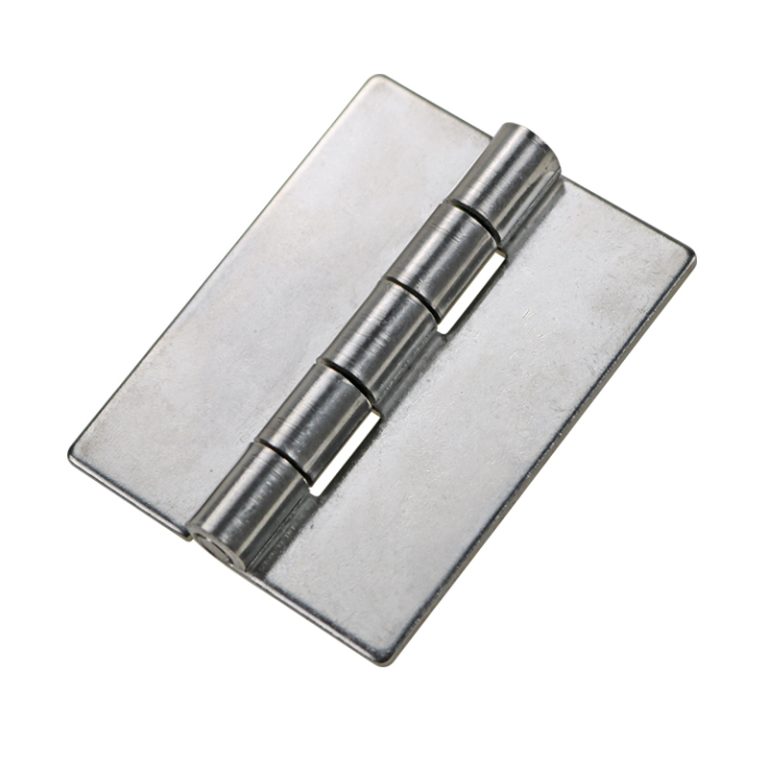
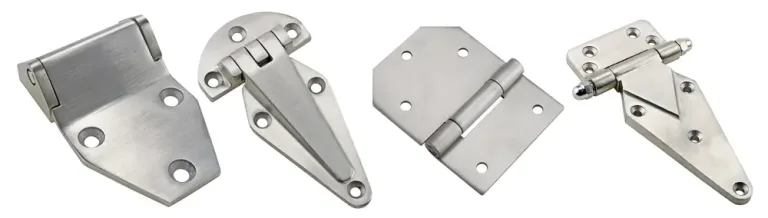
A product photograph can suggest a general hinge form. It cannot show whether the pivot clears the frame return, whether the mounting zone carries the assembled door, whether the door can be removed inside the installed space, or whether water and contamination remain at the joint. Those questions belong to the enclosure assembly.
This page is the starting point. It helps engineers and buyers decide which selection path the project needs and what information must be available before a model review. It does not try to reproduce every calculation, material comparison or electrical-enclosure architecture on one URL.
Industrial Enclosure Hinges by Project Duty
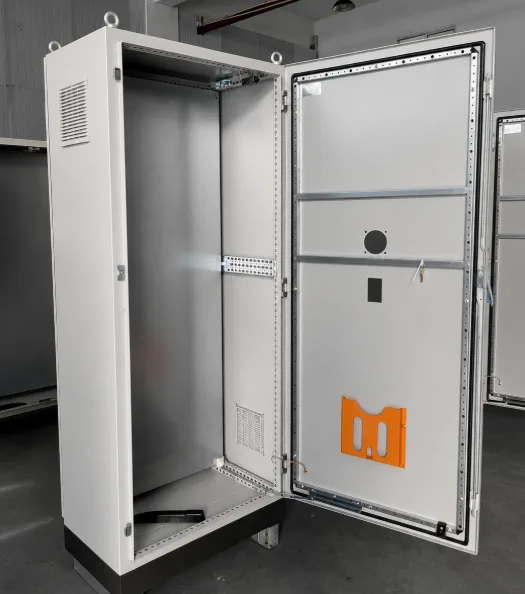
The same hinge description can lead to different reviews because the enclosure duty changes the dominant risk. Use the table to identify the first technical path. A project may require more than one path, but one usually determines what must be solved first.
| Enclosure Duty | Primary Selection Question | Evidence Needed Before Model Comparison |
|---|---|---|
| Electrical or control enclosure | Can the door clear the frame, preserve the gasket land and fit around internal equipment? | Hinge-side section, pivot envelope, gasket and latch layout, internal keep-out zones |
| Machine housing or automation guard | Can the mounting structure carry the assembled door under access, vibration and contamination conditions? | Door mass and center of gravity, hinge spacing, panel reinforcement, operating environment |
| Outdoor or washdown enclosure | Will the complete hinge and mounting interface tolerate the actual moisture, chemistry and drainage condition? | Exposure description, water path, material system, finish, fasteners and cleaning method |
| Removable service door | Can the door disengage safely inside the installed service space? | Removal direction, available clearance, door handling and connected cables or straps |
| Top-hinged cover or operator panel | Must the panel only pivot, or must it hold position, stop or feel controlled through motion? | Axis orientation, panel mass and center of gravity, angular range, desired motion behavior |
Do not begin with “stainless,” “concealed,” or “heavy duty” as the complete requirement. Each phrase describes one attribute. None defines the door geometry, service task and installed load path together.
When several risks are present, start with the condition that is hardest to change after the enclosure is fabricated. A fixed frame return and crowded internal equipment may determine the pivot architecture before material is discussed. A large assembled door may force reinforcement decisions before a removable feature is considered. Environmental exposure still matters, but changing the alloy will not recover missing clearance or stiffness.
The Minimum Door-and-Frame Package
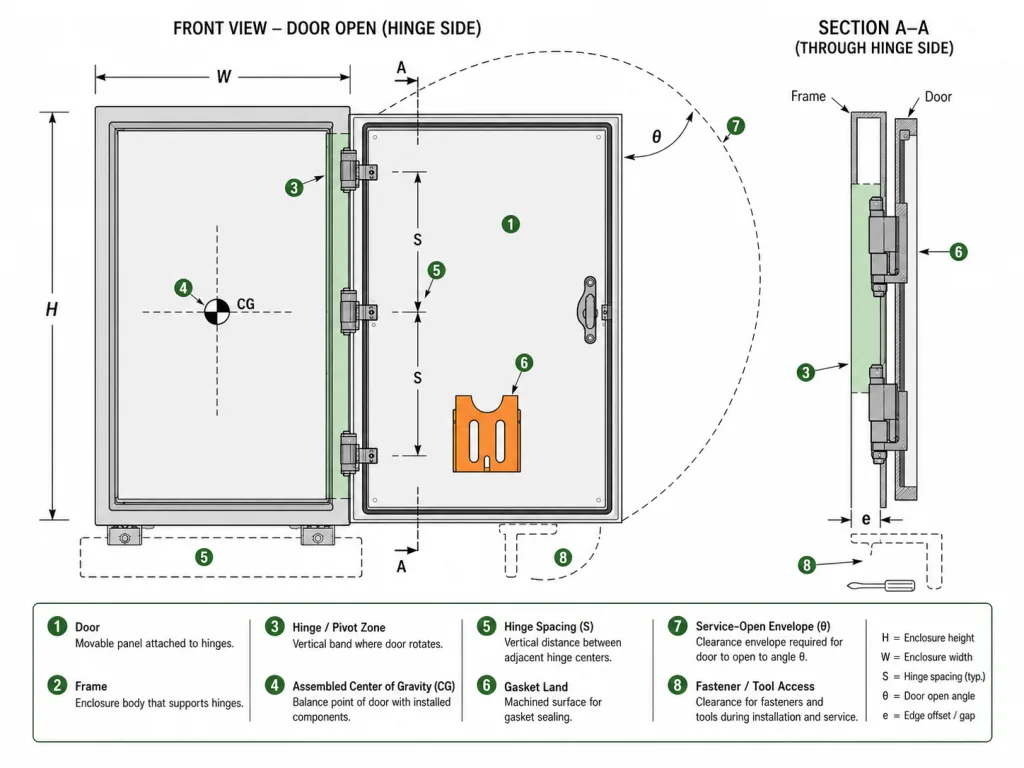
Every route needs a small set of assembly information. A front view alone is rarely enough. The hinge-side section exposes the door skin, formed return, frame flange, gasket land, stiffener, fastener access and space that a moving leaf or linkage may occupy.
The section should use a stable enclosure datum. If hole locations are dimensioned only from flexible sheet edges or from bends whose formed position is not controlled, the hinge may be difficult to locate consistently. Show which surface establishes the closed door position and which features locate the hinge relative to the latch and gasket.
| Project Input | What It Prevents | Action |
|---|---|---|
| Closed hinge-side section | Selecting a pivot that fits the mounting face but collides with a return or gasket during motion | Show actual bends, gaps and mounting surfaces. |
| Assembled door data | Using bare-panel mass while ignoring windows, fans, displays, handles or wiring | Provide door mass and center-of-gravity location after equipment is included. |
| Required service position | Choosing a nominal opening angle that cannot be reached beside a wall, guard or neighboring cabinet | Show the required open position and installed obstructions. |
| Mounting zones | Attaching a capable hinge to unsupported sheet, inaccessible hardware or an unstable datum | Identify materials, thicknesses, stiffeners and rear tool access. |
| Exposure at the hinge line | Specifying a leaf material while overlooking the pin, retainer, fasteners, coating damage or trapped moisture | Describe what reaches the joint and how it drains or is removed. |
Missing project data can remain marked To Be Confirmed during a preliminary review. It should not be replaced with an assumed door thickness, opening angle or load rating. A preliminary direction is not sample or production approval.
Installed surroundings belong in the package even when they are not part of the enclosure drawing. A wall, adjacent cabinet, machine guard, conduit, roof overhang or operator station can reduce the usable opening or block a lift-off direction. The standalone cabinet may work perfectly. The installed service route may not.
Hinge Decisions Are Layered
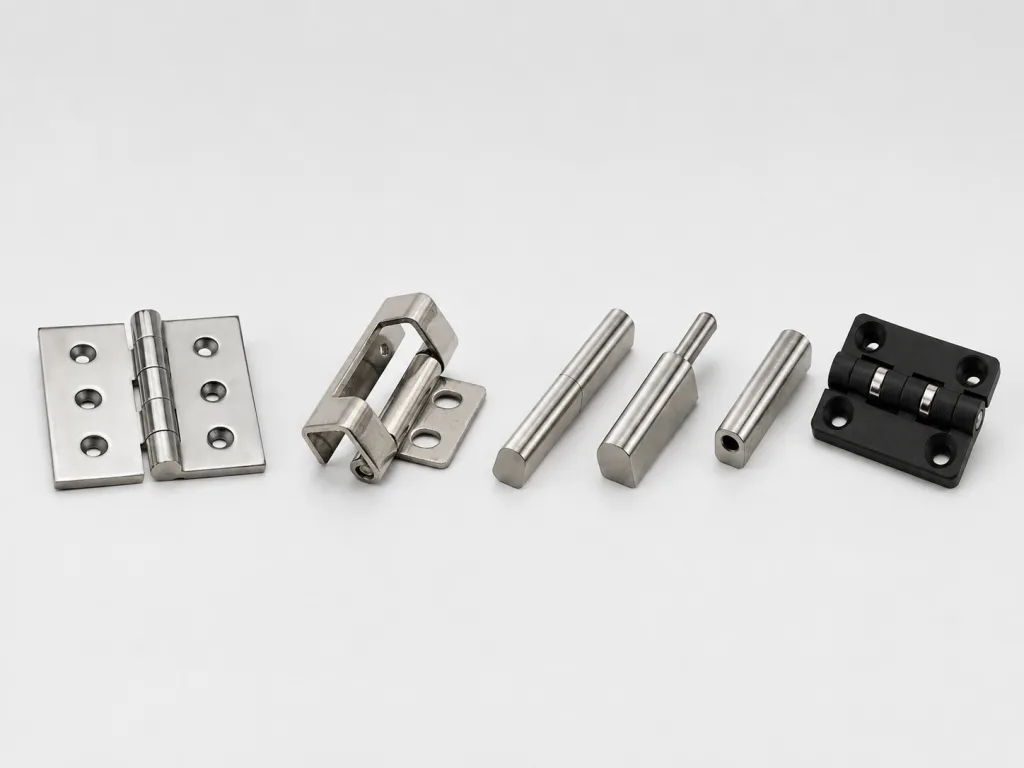
A final enclosure hinge is normally a combination of attributes. “Removable,” “concealed” and “weld-on” should not be treated as mutually exclusive product families. A hinge can be externally mounted, offset, removable and welded at the same time. Record each decision layer separately.
- Pivot location. Determine whether the axis can sit externally, internally or at an offset from the mounting surfaces. The door-and-frame section and moving envelope control this choice.
- Door retention. State whether the door remains captive, lifts off, or uses a retained or removable pin. Add the permitted disengagement direction.
- Motion behavior. Define free-swinging movement, position control, self-return, or a separate stay and stop. Do not assign several functions to an ordinary hinge without validation.
- Attachment. Select bolted, stud, riveted or welded mounting from substrate strength, tool access, assembly order, coating and replacement needs.
- Material system. Review leaves, pin, washers or bushings, retainer, fasteners, backing hardware, finish and mating enclosure materials together.
Why this order matters: changing a material cannot correct a pivot that drives the door into the frame. A stronger leaf cannot correct an inaccessible fastener. A removable pin does not create the physical space needed to remove the door.
A useful preliminary description records all five layers in one sentence. For example: an externally offset, captive, free-swinging hinge with bolted attachment and a project-defined corrosion-resistant material system. That statement is still not a model approval, but it is far more useful than asking for a “stainless enclosure hinge.”
Once those layers are defined, the industrial hinge range can be used to compare relevant models instead of browsing unrelated forms.
Routes for Common Enclosure Projects
Electrical and control enclosures
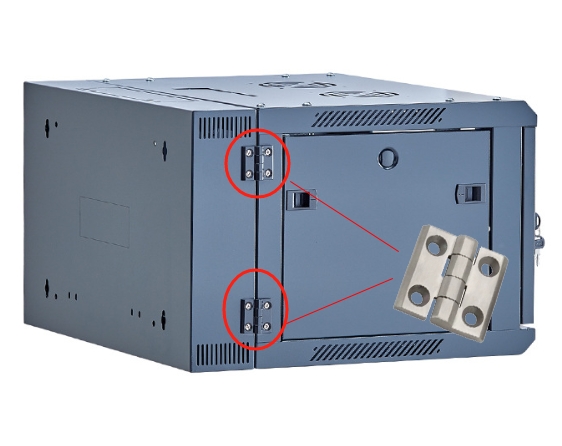
Begin with architecture because the door return, gasket land, internal equipment and external cabinet spacing constrain the pivot. Decide whether the door must remain captive and whether the mechanism may occupy internal space. Detailed external, concealed, offset and removable geometry belongs in the electrical enclosure hinge architecture guide.
Machine housings and service doors
Load path and mounting stiffness usually deserve the first review. On a vertical side-hinged door, gravity creates sagging and overturning reactions at the hinge mounting zones; it is not opening torque about the vertical pin axis. A top-hinged cover is different: gravity produces angle-dependent torque about its hinge axis. Keep those cases separate. For door sag, reinforcement, mounting and hinge spacing, use the industrial cabinet door hinge guide.
Outdoor, coastal and washdown enclosures
“Outdoor” is too broad to select a material. Describe rain direction, condensation, salt deposition, cleaning chemistry, temperature, dwell time and drainage. Check every component in the hinge and mounting interface. Stainless steel is useful only when the grade, surface condition, mating parts and exposure match. Continue to the stainless steel hinge selection guide when corrosion is the dominant question.
Removable doors and service panels
The review starts with the exit path, not the separable hinge drawing. Mark lift or axial clearance, the angle at which disengagement is permitted, safe door handling and any wiring or bonding strap. A captive hinge may be the cleaner answer when the door carries permanent connections or cannot be supported in the service area.
Top-hinged covers and position-controlled panels
State the behavior before naming the mechanism. The cover may need only a pivot, a defined stop, a separate stay, counterbalance, detent positions or continuous position control. Panel mass, center of gravity, axis orientation and angular range determine the gravity effect. A free-swinging enclosure hinge should not be assumed to provide stable hold-open behavior.
When the Dominant Risk Changes
Enclosure projects do not always stay on the route chosen at concept stage. A small change elsewhere in the equipment can move a different hinge question to the front.
An electrical cabinet may begin as an architecture problem because internal rails limit the concealed-hinge envelope. Add a heavy door-mounted HMI, cooling fan and cable bundle, and the assembled center of gravity and mounting reinforcement may become the controlling review. The pivot still has to clear the frame, but the project can no longer treat load path as a secondary check.
A machine service door may begin with load and contamination concerns. Move the equipment outdoors or introduce chloride-bearing cleaning, and the complete material system, water path and coating repair around mounting holes become equally important. Simply changing the leaf to stainless steel does not address retained moisture or incompatible fasteners.
A removable panel may also change route after electrical connections are added. If a bonding strap, display harness or sensor cable remains attached, unrestricted lift-off can create handling and cable-damage risks. The better answer may be a captive hinge, a retained pin, or a defined disconnect procedure with supported door handling.
Record these changes against the assembled enclosure, not only the original hinge requirement. The selected product attributes should follow the final service condition.
A Correct Hinge Can Still Fail in Assembly
A selected hinge may have an appropriate material, mounting pattern and supplier load statement, yet the installed door can still drop at the latch edge. Suppose the upper leaf is fastened to a narrow unsupported return while the lower leaf sits near a stiff frame junction. The mounting zones deflect differently, so the two axes move out of alignment and the latch no longer meets the keeper consistently.
Changing to a thicker-looking hinge does not repair the frame path. The assembly needs a stable datum, adequate local support and a mounting method that preserves axis alignment. The supplier’s capacity evidence also needs its direction, fixture, substrate, fasteners, hinge spacing and acceptance criterion before it can be applied to the project.
This is an illustrative engineering scenario, not a customer project record or product test claim.
Practical observation: the hinge can be suitable. The enclosure structure can still reject it.
What the Model Drawing Must Resolve
A candidate drawing should let the project team place the hinge in the real assembly. Overall length alone is not enough. Review mounting centers, leaf and body envelopes, pivot position, pin direction, protrusion, required fastener space and any moving linkage volume.
- Which surface belongs to the door and which belongs to the frame?
- Where is the hinge axis relative to the mounting datums?
- Does the stated orientation match gravity, removal direction and exposure?
- Are fastener heads, nuts, studs, weld zones and installation tools represented?
- For a concealed mechanism, is the complete moving envelope available?
- For a removable design, what retains the door during normal use?
- Which material and finish apply to the leaf, pin, retainer and supplied hardware?
- Which values are supplier-controlled and which remain project-specific?
A drawing can establish geometry and specified product attributes. It does not automatically prove the load capacity, sealing performance, corrosion life or durability of the complete enclosure. Those claims require relevant evidence and project-defined acceptance conditions.
Check drawing revision and handedness before sample release. A pin direction, offset, stud orientation or removable feature can change when a model is mirrored. The sample and production purchase description should point to the same controlled drawing rather than relying on a similar catalog photograph.
Inputs Before Comparing Models
Prepare the following information before requesting a model recommendation. These are enclosure-hinge inputs, not a generic purchasing checklist:
- Enclosure type and access task
- Closed hinge-side door and frame section
- Door height, width, assembled mass and center of gravity
- Door-mounted equipment and connected cables or bonding straps
- Required open position and installed surrounding clearance
- Captive or removable door requirement
- Desired motion behavior and separate stay or stop, if used
- Available hinge locations, mounting materials, reinforcement and tool access
- Gasket land and latch locations when the enclosure is sealed
- Environmental exposure, cleaning and drainage condition
- Project-specific validation requirements
A preliminary model direction identifies geometry worth reviewing. Engineering review checks the actual assembly. Sample approval should use representative door, frame, gasket, mounting and surrounding clearance. Production approval remains a project decision based on controlled parts and acceptance evidence.
Send the Enclosure Package for Product Matching
Provide the hinge-side section, assembled door data, service-open or removal requirement, mounting access and environment. The inquiry can then be compared with available hinge forms, while unconfirmed product dimensions or project conditions remain clearly identified as open items.
Industrial enclosure hinge selection should end with a defined review path and a usable assembly package—not a broad list of hinge advantages.